 Sign In



 International
News release
From:
Earth science: Supershear earthquakes more common than previously estimated
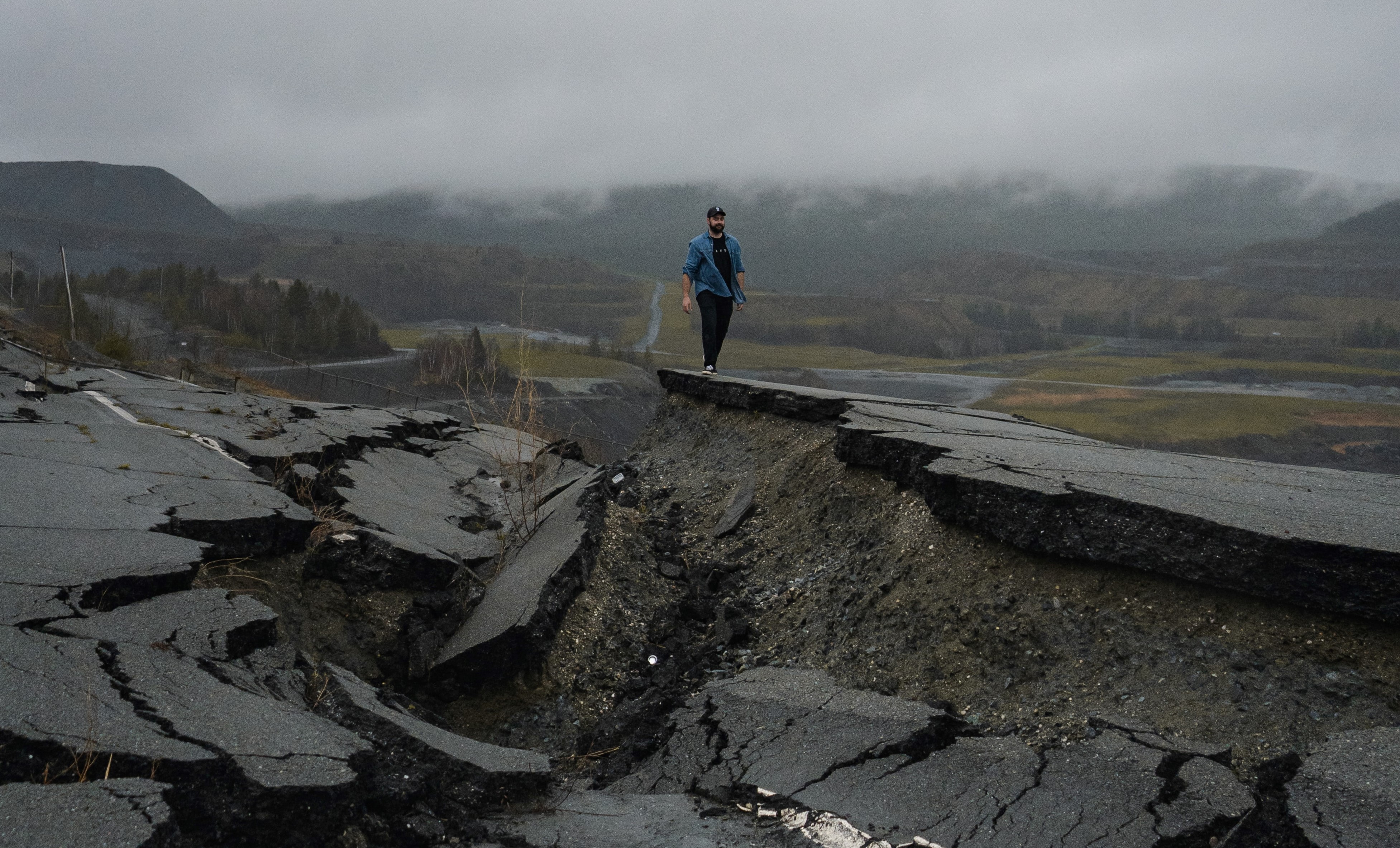
At least 14% of all large, strike-slip earthquakes between 2000 and 2020 were supershear, according to a study published in Nature Geoscience. These findings suggest that such potentially destructive events are 50% more common than previously thought.
Supershear earthquakes occur when the speed at which the fault ruptures is greater than the travel speed of the seismic waves produced. These earthquakes, which are generally observed on land, can be highly destructive as the fast rupture speeds can generate stronger ground motion. They are considered rare; only a few large magnitude earthquakes generated by strike-slip faults — faults in which two blocks of the Earth’s crust slide past each other — have been categorised as supershear.
Lingsen Meng and colleagues analysed seismic data from all large magnitude (Mw) (Mw = 6.7 or greater), strike-slip earthquakes over the last 20 years and identified four previously unreported supershear events. Of all the earthquakes evaluated, 14% were determined to be supershear, 50% more than previously confirmed. These newly recognised events all occurred beneath the ocean, suggesting that supershear earthquakes are just as common under the ocean as they are on land. Observations from faults where these earthquakes occurred indicate that wider fault zones may promote supershear events.Contrasting material across the fault, for example in faults at an oceanic-continental boundary, may also be a factor.
These newly identified supershear earthquakes suggest they are not as rare as previously thought, and help us to understand what conditions may generate such fast rupture speeds, the authors conclude.
Attachments
Note: Not all attachments are visible to the general public. Research URLs will go live after the embargo ends.


