EXPERT REACTION: Deep-sea critters attracting patents

Publicly released:
International
Photo by Sierra Blakely via Wikimedia Commons

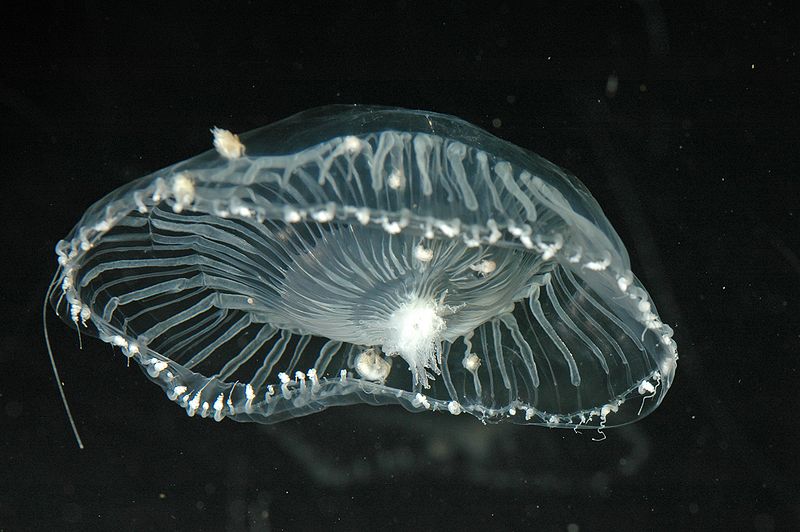
Marine bioprospecting - finding and exploiting material from marine life for commercial products - is growing fast. A new study compiling 33 years of bioprospecting patent applications shows that a few multinational companies hold the majority of patents that reference DNA from marine organisms. All top ten patent-holders have filed patents using genetic sequences from deep-sea organisms. The authors say their findings show the need for polices that steward deep-sea ecosystems, and regulate marine bioprospecting in international waters.

Expert Reaction

These comments have been collated by the Science Media Centre to provide a variety of expert perspectives on this issue. Feel free to use these quotes in your stories. Views expressed are the personal opinions of the experts named. They do not represent the views of the SMC or any other organisation unless specifically stated.

Dr Johan Svenson, Science Impact Manager, Cawthron Institue

New Zealand has one of the largest exclusive economic zones (EEZ) in the world, offering significant opportunity for biodiscovery in our vast marine estate.
"Natural products form the foundation of modern medicine and initially all drugs were naturally derived. These days, unveiling new promising compounds and proteins, through bioprospecting, often involves mining databases containing sequencing data and DNA collected from environmental samples. Due to the technological challenges involved, the deep sea has only recently started to attract attention, and the past decades have seen a rapid increase in marine biodiscovery as reflected in the number of patents containing genetic sequences from marine organisms.
"The chemical diversity found in marine compounds is unprecedented, and it has been shown that drug leads from marine organisms have a success rate two to four times higher. Countries like the USA, Japan and Germany are leading the charge in the marine biodiscovery space with large companies such as BASF, IFF and DuPont particularly active.
"This paper provides a comprehensive, up-to-date illustration of the current state of the global deep-sea marine bioprospecting landscape. The introduction of the Marine Bioprospecting Patent Database is a valuable source of information that can guide and inform research and development activity. The paper highlights the extent and the immense potential of marine biotechnology and emphasizes the need for policymakers to ensure a continued stewardship of the sensitive deep-sea ecosystems beyond national jurisdiction.

"The intense global international activities described in the paper are not yet reflected here in New Zealand. Given that 96% of New Zealand is ocean, it is realistic to expect beneficial outcomes in the fields of food, feed, fibres, cosmetics and biotech, that could significantly contribute to the New Zealand economy if our marine realm was properly & responsibly explored.
Last updated:  09 Aug 2024 9:57am
Contact information
Contact details are only visible to registered journalists.
Declared conflicts of interest None declared.

Professor Paul Myburgh, AUT Law School

“The article highlights fundamental deficiencies in national and international legal frameworks regarding deep-sea bioprospecting/patenting.

"Many countries, including Aotearoa New Zealand, have agreed to a conditional moratorium on seabed exploitation in areas beyond the national jurisdiction until a regulatory framework can be agreed by the International Seabed Authority (ISA), ensuring effective protection of the deep-sea marine environment.

"The moratorium has not stopped a few international companies from jumping the gun and patenting marine organism genes that may be commercially valuable in future. Neither the United Nations Convention on the Law of the Sea (UNCLOS) nor the new High Seas Treaty (also known as the BBNJ Agreement) explicitly addresses patents or other intellectual property rights over marine organisms. Until this international legal gap is closed, these companies will aggressively attempt to establish their commercial monopoly over deep-sea genetic materials.

"The issue is of particular concern in Aotearoa New Zealand because of the potential clash between mātauranga Māori and international intellectual property law, which may result in biopiracy by foreign companies of traditional knowledge and rights in respect of marine resources and environment (including the cultural right of the relevant kaitiaki to exercise a rāhui (exploitation ban) over endangered resources).”

Last updated:  09 Aug 2024 9:39am
Contact information
Contact details are only visible to registered journalists.
Declared conflicts of interest None.

Attachments

Note: Not all attachments are visible to the general public. Research URLs will go live after the embargo ends.

Research Springer Nature, Web page
Journal/
conference:
Nature Sustainability
Research:Paper
Organisation/s: Stockholm University, Sweden
Funder: FORMAS, project number 2020-01048; FORMAS, project number 2019-01220; the Research Platform Governance of Digital Practices at the University of Vienna; the Knut and Alice Wallenberg Foundation (2021.0343). Open access funding from Stockholm University.
Media Contact/s
Contact details are only visible to registered journalists.