 Sign In



 Australia; VIC; QLD; NT
News release
From:
Quantifying the ecological role of crocodiles: A 50-year review of metabolic requirements and nutrient contributions in northern Australia.
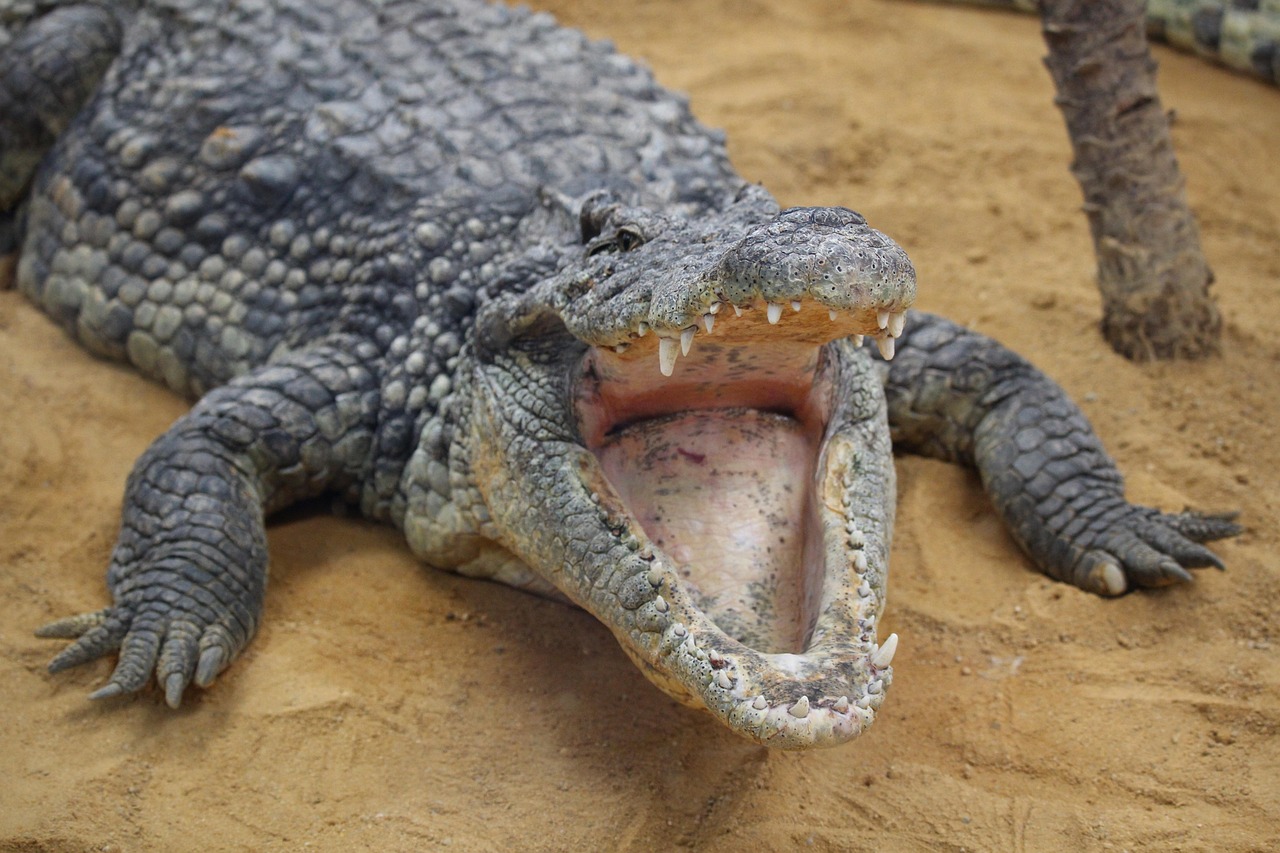
Apex ectotherm predators, like estuarine crocodiles, are thought to impact ecosystems differently from endothermic predators due to lower prey needs. Our study examined changes in prey consumption and nutrient cycling as northern Australia’s crocodile population grew from 1,000 to over 100,000 in 50 years. Consumption increased ninefold since 1979, with a shift towards terrestrial prey. This high crocodile biomass now drives prey consumption rates similar to terrestrial endothermic predators. Crocodiles exert significant top-down pressure on invasive feral ungulates and enhance the transfer of biomass-limiting nutrients (N and P) into nutrient-poor freshwater ecosystems, which may impact these oligotrophic freshwater environments.
Attachments
Note: Not all attachments are visible to the general public. Research URLs will go live after the embargo ends.


