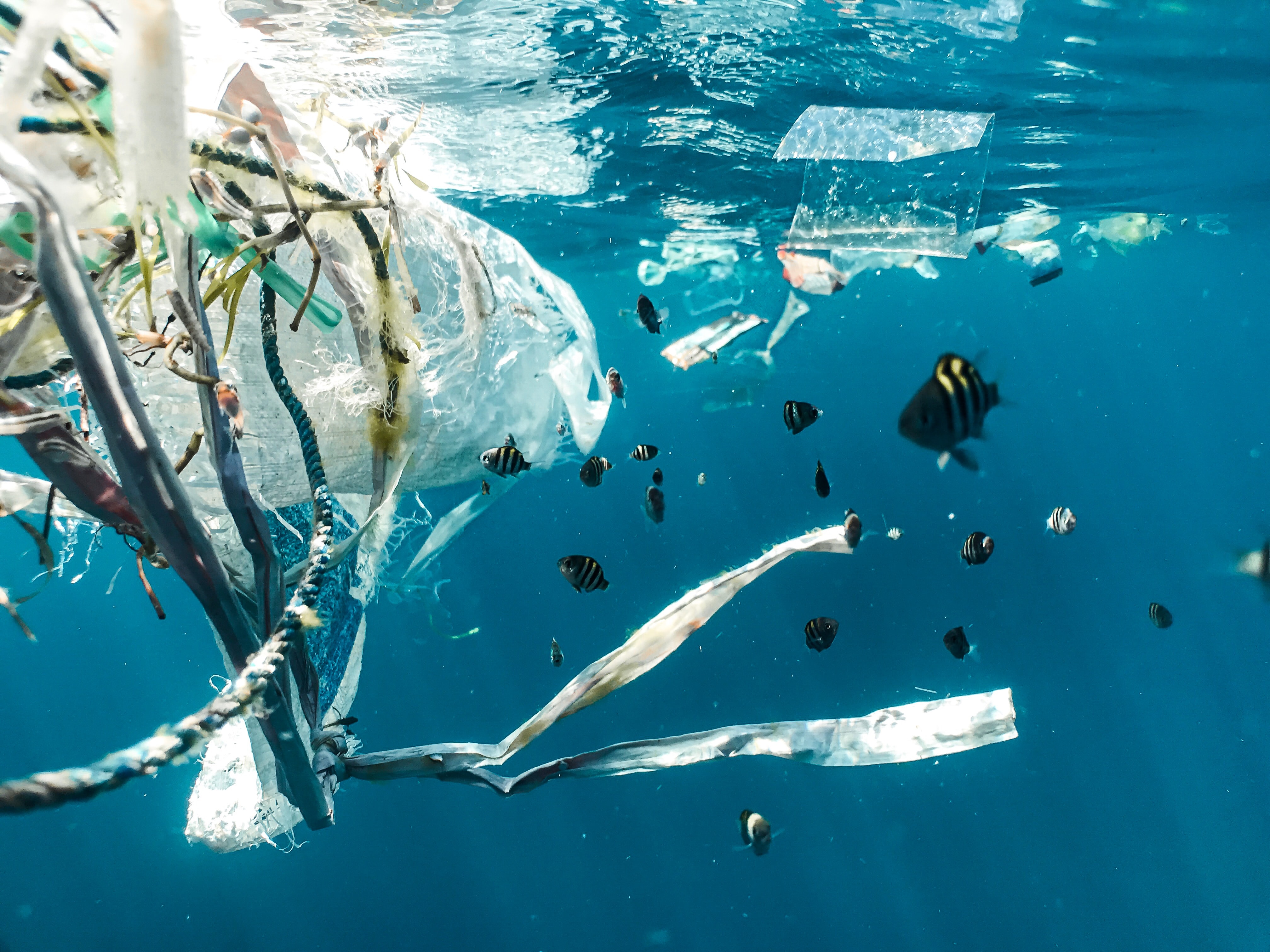
Confronting the dark side of plastics: a bumper issue of Science

Publicly released:
Australia; New Zealand; International

Wide-ranging plastics problems - and possible solutions - are explored in a freely-accessible special issue of Science. One study suggests microplastics may reside at the ocean’s surface, on average, for as long as several years - not the few days that was previously thought. This suggests ocean plastics have more time to degrade at the surface - and to risk harming marine organisms - before incorporating into seafloor sediments (Weiss and others).

Why wild creatures swallow or absorb plastic is canvassed in a review with a New Zealand author. The researchers say plastic ingestion is an ‘evolutionary trap’, where plastic’s rapid rise has triggered living organisms to make flawed behavioral decisions. They say the options for escaping this trap are limited - so the encounter rates for at-risk populations must be reduced - and we need to massively cut global plastic production and use, shift toward a circular economy, and invest in better managing and recovering waste (Santos and others).

Likewise, a policy piece, also co-authored by a Kiwi, advocates for a binding global agreement to address plastics pollution, an idea which already has support from 79 governments. It proposes three goals: to minimise virgin plastics production and consumption; to facilitate safe circularity of plastics; and to eliminate plastic pollution in the environment (Simon and others).

Lastly, another piece argues that early bio-plastics – plastics made from bio-based feedstocks like corn, sugar or wood - were neither clean nor green. It says lessons from their overlooked and misunderstood past could help inform the future of greener, biodegradable plastics and plastic technology (Altman and others).

Attachments

Note: Not all attachments are visible to the general public. Research URLs will go live after the embargo ends.

Other Science Media Centre (New Zealand), Web page The past and future of bioplastics – Expert Reaction
Journal/
conference:
Science
Organisation/s: Massey University
Funder: N/A
Media Contact/s
Contact details are only visible to registered journalists.