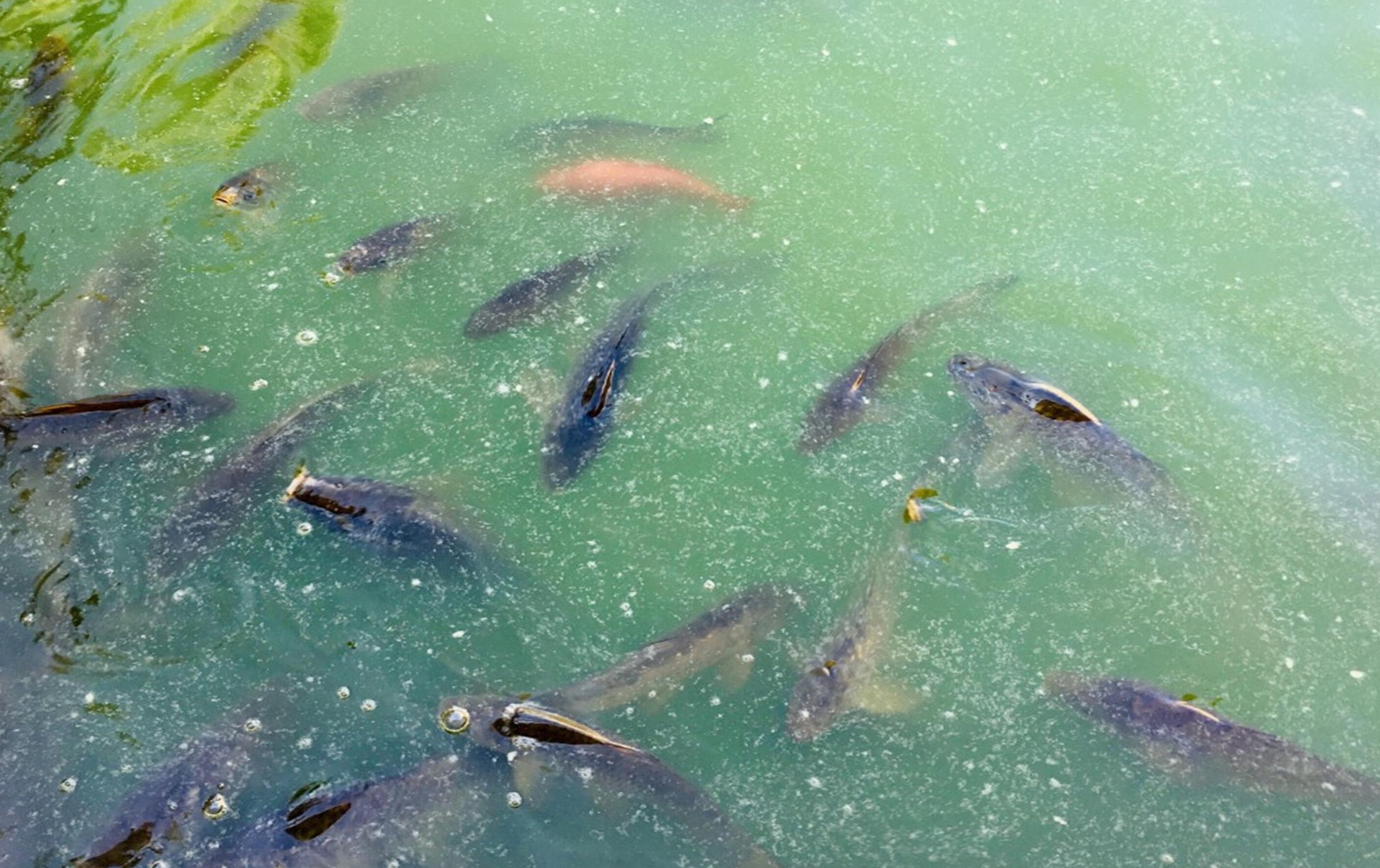
Climate change could ruin lake water quality, but fish may be able to adapt

Publicly released:
New Zealand
© Daniel Gomez Isaza

Climate change is causing more lakes and ponds to become nutrient-rich, which can be harmful to the fish and amphibians living there. High-nutrient conditions can lead to uncontrolled growth of harmful algal blooms and aquatic plants, blocking out sunlight and decreasing water quality. An NZ researcher concludes that increasing heatwaves in the short term will lead to algae blooming more often, causing more mass fish deaths. However in the long term, a gradual increase in temperature will allow fish to adapt to better survive in the high-nutrient conditions.

Media release

From: The Royal Society

Eutrophication has been linked to mass mortalities of aquatic life the world over and this loss of life is becoming more common as habitats warm. One major knowledge gap is our understanding of how aquatic ectotherms respond to eutrophication and climate warming in tandem. I provide an overview of studies exploring the combined impacts of eutrophication and warming on aquatic ectotherms. Evidence suggests that heatwaves will exacerbate the negative effects of eutrophication, but gradual warming will induce physiological remodelling that provides protection against eutrophication. Moving forward, research will benefit from designing treatments that better mimic threat dynamics in nature.

Multimedia
Fish inhabiting a eutrophic lake in Seville, Spain

Attachments

Note: Not all attachments are visible to the general public. Research URLs will go live after the embargo ends.

Research , Web page URL will go live after embargo
Journal/
conference:
Biology Letters
Research:Paper
Organisation/s: University of Canterbury
Funder: E.M.R. was supported by a Brian Mason Trust grant no. (E7300) and a Fisheries Society of the British Isles grant no. (E7318).
Media Contact/s
Contact details are only visible to registered journalists.