 Sign In



 Australia; VIC

News release
From:
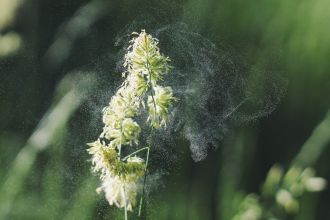
An international study into how far pollen travels in the atmosphere reveals new insights into the causes of urban hayfever.
Published in Nature – Climate and Atmospheric Science, the five-year study analysed the atmosphere over the Amazon Rainforest to track the height and distance that hayfever-causing particles like pollen and fungi can travel.
The research was carried out using the 300-metre-high Amazon Tall Tower Observatory (ATTO) in Brazil, giving scientists access to the last pristine air on the planet. Measurements taken at 300 metres showed ‘giant’ aerosols such as pollen generally do not achieve the height required for long-range transport and dispersal.
Co-author, La Trobe University Adjunct Senior Research Fellow Dr Philip Taylor, said while urban hayfever is often blamed on agricultural land surrounding cities, the research shows it is unlikely pollen could be travelling such distances.
“We found that – rather than rising high into the air and scattering over large distances – pollen actually travels fairly low to the ground,” Dr Taylor said.
“City-dwellers often blame the country for their hayfever symptoms, even as farmland grows more distant – but biophysics tells us that the cause must be much closer to home.”
Dr Taylor said that rye grasses, European trees such as birches and fungi are the main contributors to urban hayfever.
“We use rye grasses for our lawns, nature-strips and sports fields in urban areas, and plant shade trees that also produce large amounts of pollen,” Dr Taylor said.
“We now know that pollen can’t travel very far, which suggests our urban streets and backyards are more likely to blame for symptoms.”
Dr Taylor said there are things we can do to minimise hayfever – including councils mowing reserves, verges and sporting fields more frequently and timing this with the weather and the seasons.
“Indigenous plants are also great for creating low-allergy gardens and more sustainable green spaces, and there are many shade trees that are less likely to induce hayfever – we just need to be aware and selective about what we plant,” Dr Taylor said.
Dr Taylor said variable weather is another key reason for high rates of hayfever.
“For example, Melbourne’s ‘four seasons in one day’ weather instability leads to pollen being fragmented and causing more allergic reactions,” Dr Taylor said.
Multimedia

Attachments
Note: Not all attachments are visible to the general public. Research URLs will go live after the embargo ends.


