 Sign In



 Australia; International
News release
From:
Environment: Global socioeconomic risks from wildfire assessed
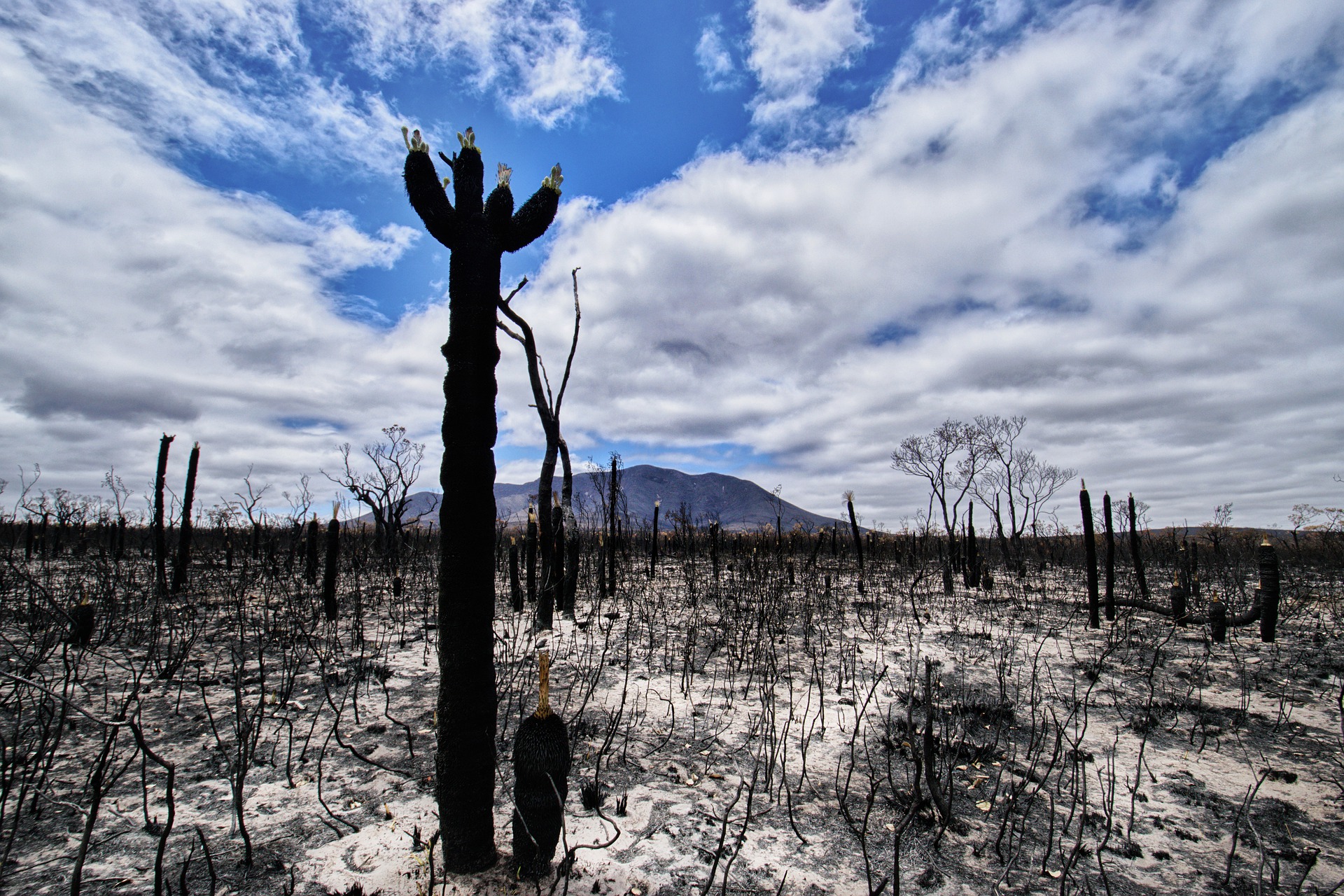
The twenty-first century may experience larger increases in wildfire exposure and socioeconomic risk, but smaller increases in global fire carbon emissions, suggests a machine learning study published in Nature Communications. The findings may improve our understanding of potential regional disparities in wildfire exposure, and aid strategic preparations for future wildfires.
Reliable projections of wildfires and associated socioeconomic risks are important for developing strategies to cope with and mitigate the effects of climate change. However, current Earth system models used for long-term wildfire projections remain somewhat uncertain.
Yan Yu, Jiafu Mao and colleagues used machine learning to constrain and investigate wildfire carbon emissions and their socioeconomic risks simulated by Earth system models from the Coupled Model Intercomparison Project phase 6. The authors suggest that during the twenty-first century there would be a smaller increase in fire carbon emissions, but a higher increase in global wildfire exposure in terms of population, gross domestic production (GDP), and agricultural area. They indicate that historically wildfire-prone forests and savannahs in Africa, northern Australia and eastern South America may remain wildfire-prone in the twenty-first century. Additionally, they found that increased wildfire activity and socioeconomic development — including population, GDP, and agriculture — in western and central African countries could elevate the socioeconomic risk in these regions.
Attachments
Note: Not all attachments are visible to the general public. Research URLs will go live after the embargo ends.


