 Sign In



Attachments
Note: Not all attachments are visible to the general public. Research URLs will go live after the embargo ends.

 Australia; WA
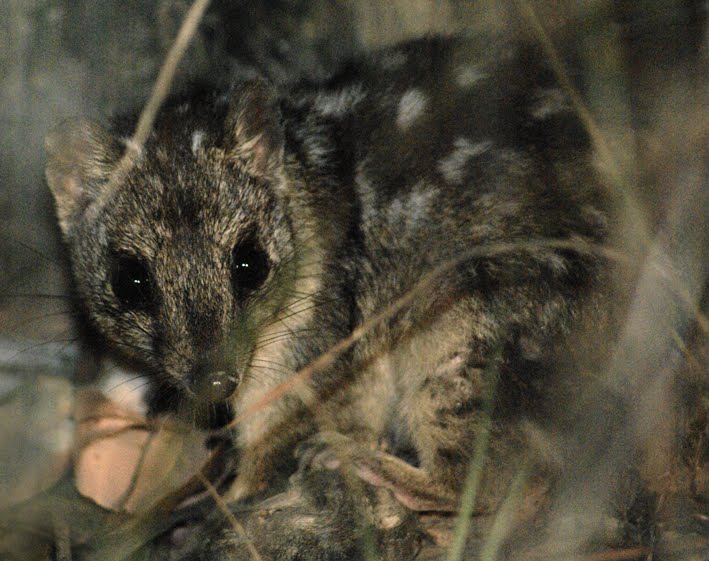
Plastic piping left on defunct mining sites can be used to build comfortable nesting sites for endangered northern quolls, according to Aussie researchers. They say the critters are under increasing threat from widespread mining activities in north-western Australia, and post-mining rehabilitation often includes building piles of waste rocks that quolls might find inviting. However, these are often too hot or cold, or too humid, to be ideal quoll quarters and promote breeding. So, the researchers experimented with incorporating the waste plastic piping from a mine into rock piles, finding that the average maximum temperature in the pipes was 33.6°C and the average maximum humidity was 62.1%, similar to the conditions recorded in the quolls' natural nesting sites. Cameras watching the artificial dens saw quolls entering and leaving, although none have set up home yet, the researchers say. The findings suggest using waste plastic piping could provide quolls with a comfortable place to live in ex-mining sites, the team concludes.
Note: Not all attachments are visible to the general public. Research URLs will go live after the embargo ends.

