 Sign In



Multimedia

Attachments
Note: Not all attachments are visible to the general public. Research URLs will go live after the embargo ends.

 New Zealand
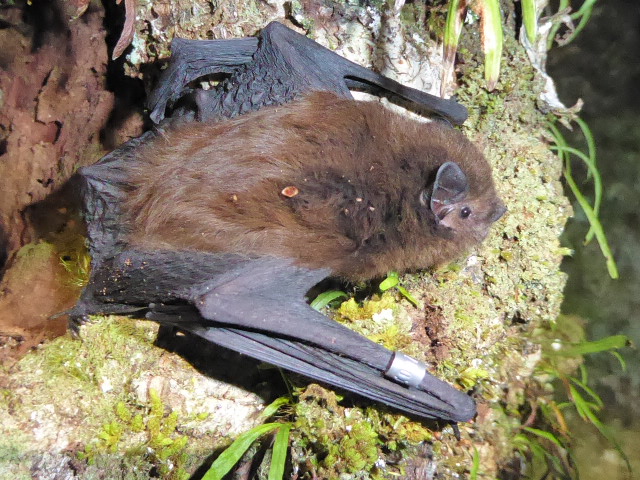
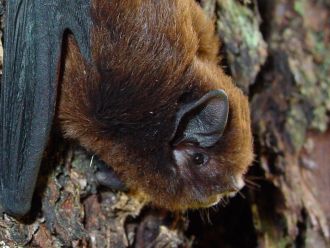
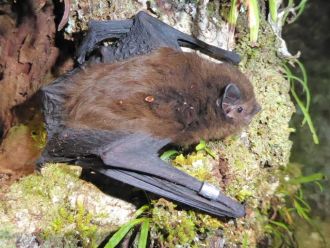
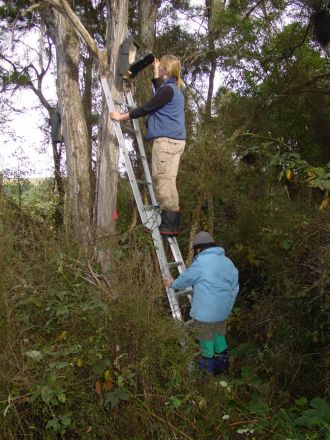
Roosting boxes set up for a remnant population of long-tailed bats in South Canterbury have proven more popular with wētā, rifleman, and geckos. Ninety-six bat boxes were set up in regenerating indigenous forest and woods within farmland in autumn 2003 and checked five times over 12 years. Signs of pekapeka were only found in a tenth of the boxes, but they were unexpectedly popular among South Island rifleman, with sixty nests counted over the period. A new population of tree-dwelling Southern Alps gecko was found in 26% of boxes; spiders and insects also made use of the structures, including Canterbury tree wētā in 40% of boxes. There could be several reasons why they weren't as much of a hit with pekapeka, including the well-insulated boxes being too hot or being beaten to them by nesting rifleman.
Note: Not all attachments are visible to the general public. Research URLs will go live after the embargo ends.

