 Sign In



 Australia; International; NSW; VIC
News release
From:
Honeybees provide a snapshot of city landscape and health
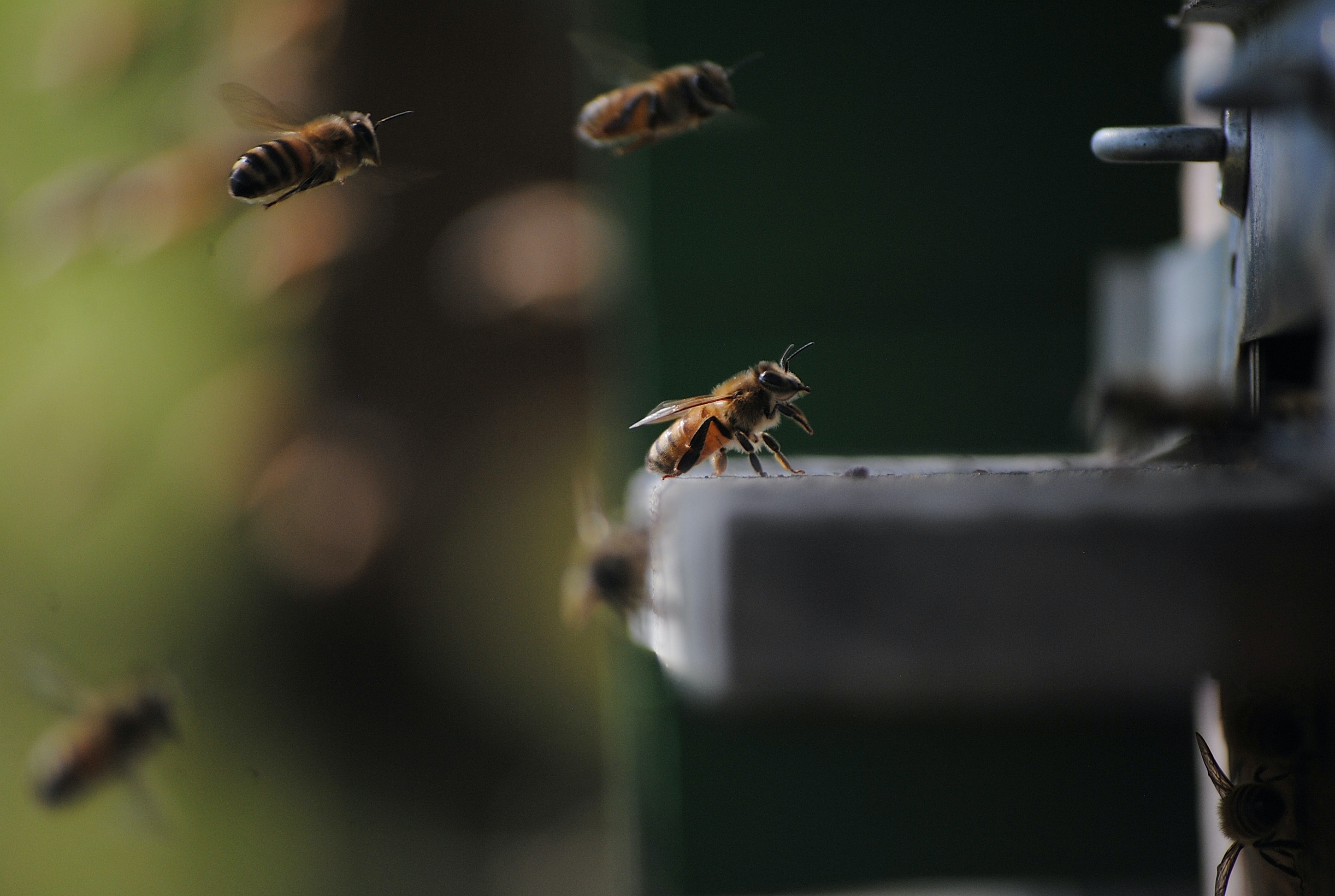
Urban honeybees could be used to gain insight into the microbiome of the cities in which they forage, which can potentially provide information on both hive and human health, reports a study published in Environmental Microbiome.
Cities are built for human habitation but are also spaces that host a wide range of living species, and understanding this diverse landscape is important for urban planning and human health. However, sampling the microbial landscape in a manner to cover wide areas of a city can be labour-intensive.
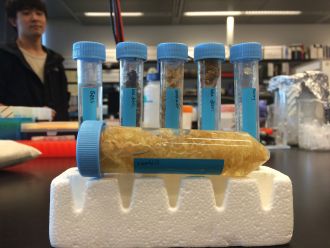
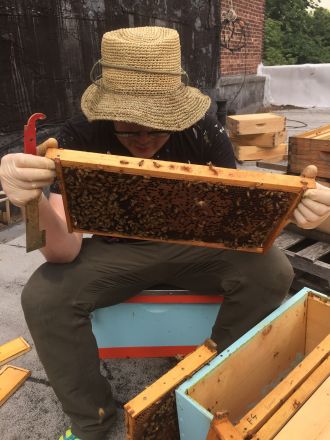
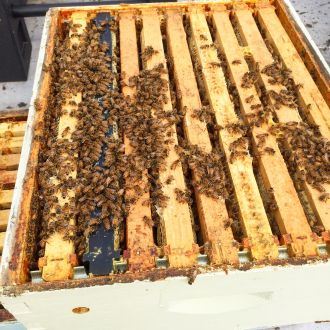
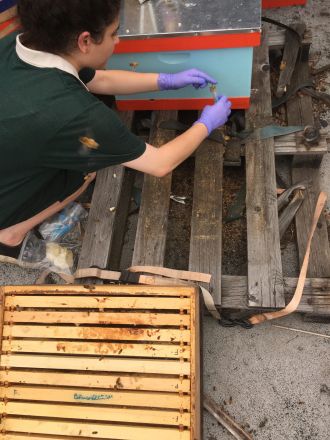
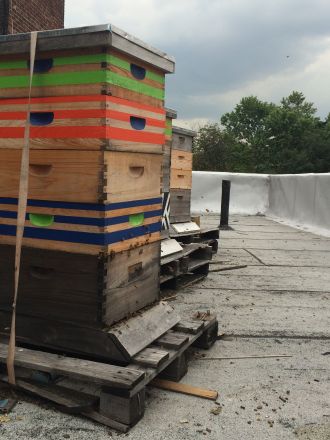
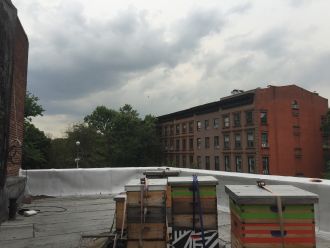
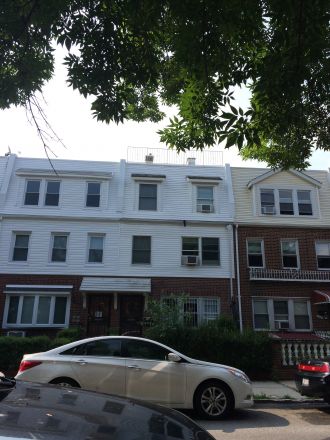
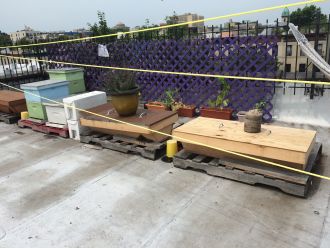
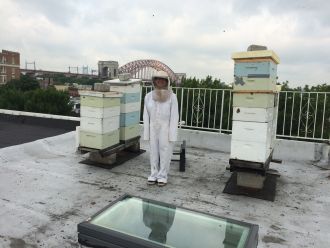
Elizabeth Hénaff and colleagues investigated the potential of honeybees (Apis Mellifera) to help gather samples of microorganisms across cities, as honeybees are known to forage daily up to one mile from their hives in urban environments. They sampled various materials from three hives in New York as part of a pilot study, and found diverse genetic information, including from environmental bacteria, in the debris accumulated at the bottom of the hives. Subsequent samples of hive debris in Sydney and Melbourne (Australia), Venice (Italy), and Tokyo (Japan) suggest that each location has a unique genetic signature as seen by honeybees.
In Venice, the genetic data was dominated by fungi related to wood rot and date palm DNA. In Melbourne, the sample was dominated by Eucalyptus DNA, whilst the sample from Sydney showed little plant DNA but contained genetic data from a bacteria species that degrades rubber (Gordonia polyisoprenivorans). Tokyo samples included plant DNA from Lotus and wild soybean, as well as the soy sauce fermenting yeast Zygosaccharomyces rouxii. Additionally, the authors compiled genetic material from the hive debris for Rickettsia felis (‘cat scratch fever’), a pathogen that is spread to humans via cat scratches. These findings indicate the potential of this as a surveillance method but are currently too preliminary to suggest that this is an effective method of monitoring human diseases.
The hive debris also contained bee-related microorganisms, likely coming from honeybee parts present in the debris. Based on 33 samples from the hives across the subsequent four cities, the authors found known bee microorganisms, whose presence indicate a healthy hive, and in some hives bee pathogens were detected, such as Paenibacillus larvae , Melissococcus plutonius, or the parasite Varroa destructor. The authors suggest these findings indicate that debris may additionally be used to assess the overall health of the hives.
The authors conclude that honeybee hive debris collected by honeybees provides a snapshot of the microbial landscape of urban environments and could be used alongside other measures to assess the microbial diversity and health of cities and honeybees in turn.
**Please note that an online press briefing for the paper below will take place UNDER STRICT EMBARGO on Tuesday 28th March at 1500 London time (BST) / 1000 US Eastern Time**
Elizabeth Hénaff and Kevin Slavin will discuss the research. This will be followed by a Q&A session.
You can register to attend the briefing here.
Multimedia

Attachments
Note: Not all attachments are visible to the general public. Research URLs will go live after the embargo ends.


