 Sign In



 Australia; VIC
News release
From:
The effects of artificial light at night on spider brains
Electrical lighting has dramatic effects on animals, by disrupting sleep and increasing the risk of disease. However, the physiological cause of these effects is often poorly understood. Spiders are vital predators of insects, including in urban habitats, but their responses to pollution are largely unknown. Here, we found that exposure to artificial light at night causes shrinkage in a part of the spider brain involved in vision and hormonal regulation of other biological processes. These results show a potential link between the effects of artificial light on the brain and its effects on other biological functions.
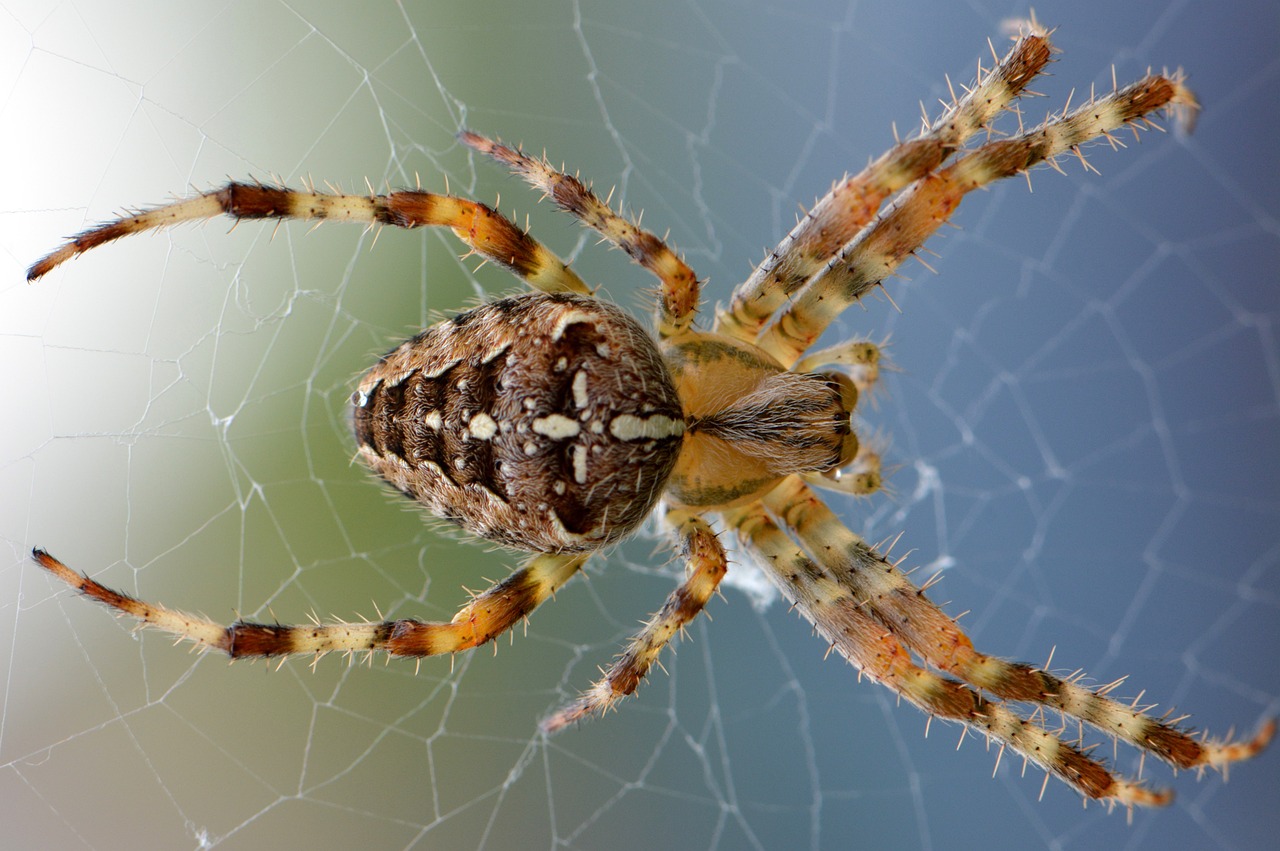
Lights on, nobody home – The brains of city-dwelling spiders may be shrinking because of exposure to light pollution. Micro-CT scans of Australian garden orb-weaving spiders (Hortophora biapicata), a species that commonly inhabits urban areas, found artificial light at night was associated with shrinkage in brain areas involved in vision and hormonal regulation. Although subtle, the results indicate the potential negative impacts of artificial light on urban predators.
Attachments
Note: Not all attachments are visible to the general public. Research URLs will go live after the embargo ends.


