Sign In



 International
News release
From:
Archaeology: Dispersal of humans out of Africa may have occurred during arid period *IMAGES*
The most recent and widespread migration of humans out of Africa, which occurred less than 100,000 years ago, may have taken place during a particularly arid period following the Toba supervolcano eruption in Indonesia, a new study published in Nature suggests.
It is typically thought that the dispersals of humans out of Africa occurred during humid periods that created ‘green corridors’ and facilitated the movement of people. Periods of aridity are thought to have constrained human movement and created food insecurity.
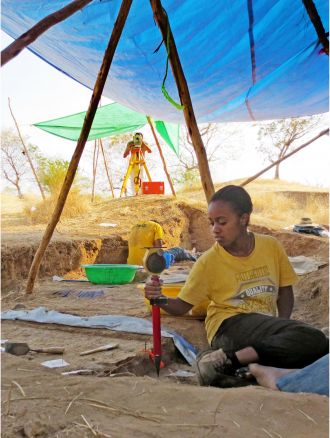
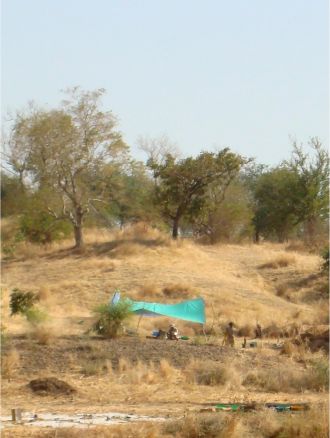
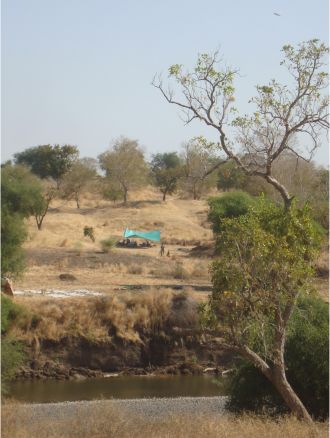
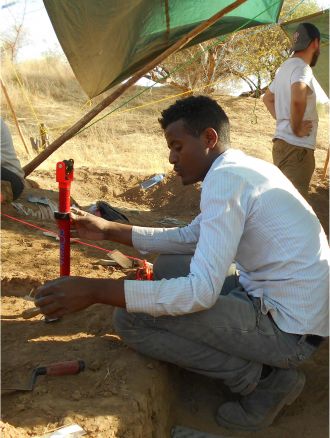
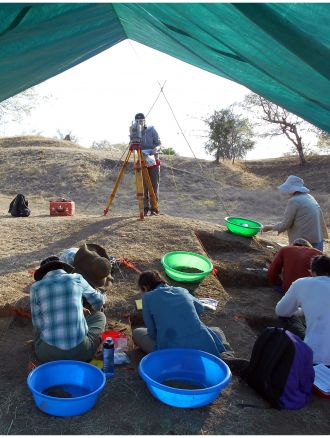
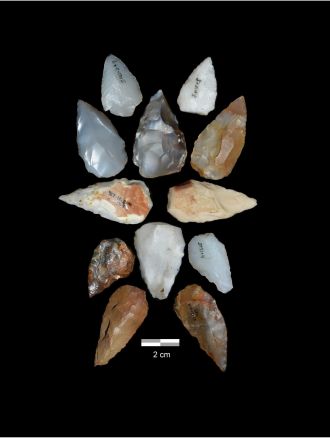
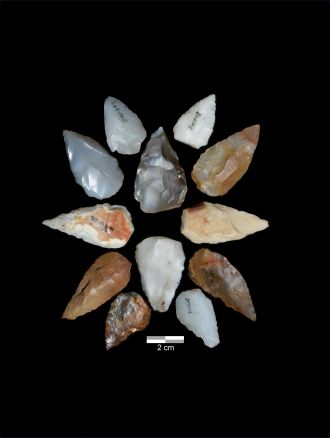
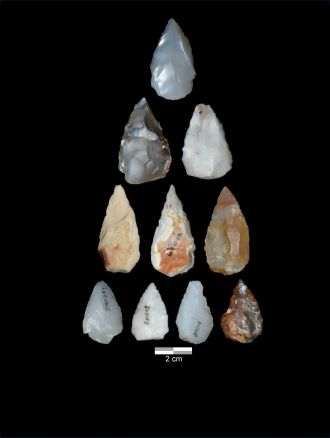
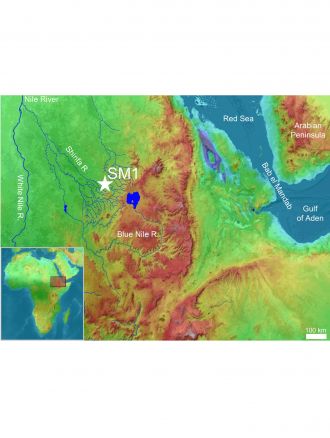
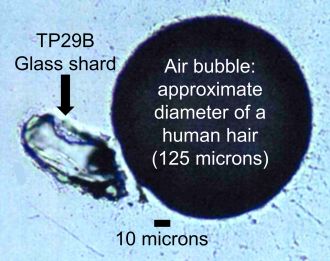
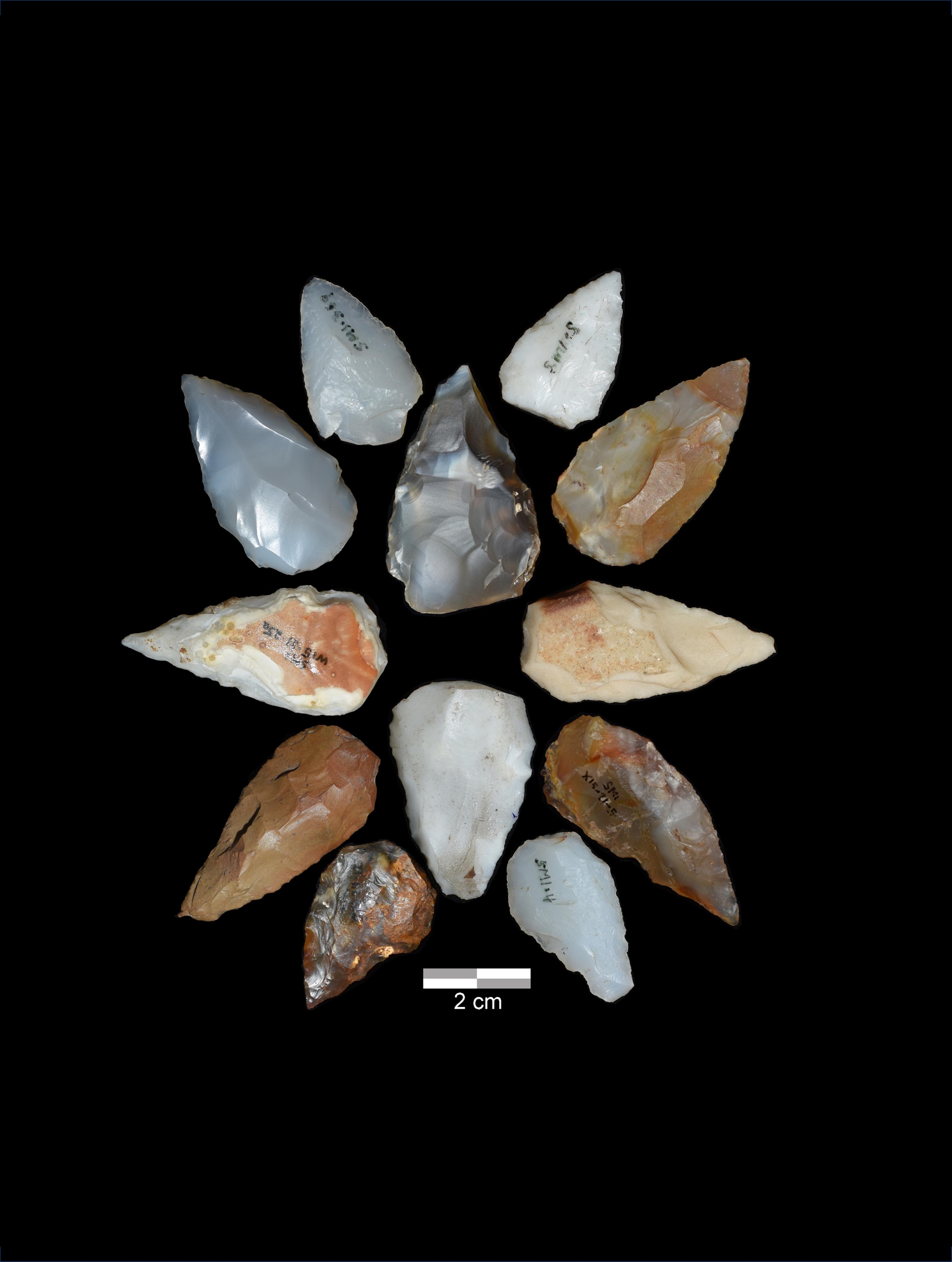
John Kappelman and colleagues studied a site in northwest Ethiopia, near the Shinfa River, that holds evidence of a human presence in the form of chipped stone from tool manufacturing and animal remains. Chemical analysis of glass shards in sediment samples revealed they were from the Toba supereruption, which places the presence of humans at this location at around 74,000 years ago, in the Middle Stone Age (roughly 280,000 to 50,000 thousand years ago). Oxygen isotopes from ostrich eggshells and fossil mammal teeth indicate that the environment at this time was particularly arid.
The authors propose that this increased aridity — paradoxically — explains the increased reliance on fish at the site at this time and suggest that, as the river shrank in the dry season, fish were trapped in waterholes where they could easily be targeted by hunters, perhaps using bows and arrows. During periods of particular aridity, people would need to move on from these waterholes once they were exhausted of resources, potentially creating a ‘blue corridor’ along which people dispersed.
The authors suggest that the behavioural flexibility documented at the site, which helped these humans to survive the aftermath of the supereruption, was probably critical for modern humans to prosper in the diverse climates and habitats that they encountered during their eventual dispersal out of Africa and expansion across the world.
Multimedia