Animal translocations aren’t always a quick and easy conservation fix

Publicly released:
New Zealand
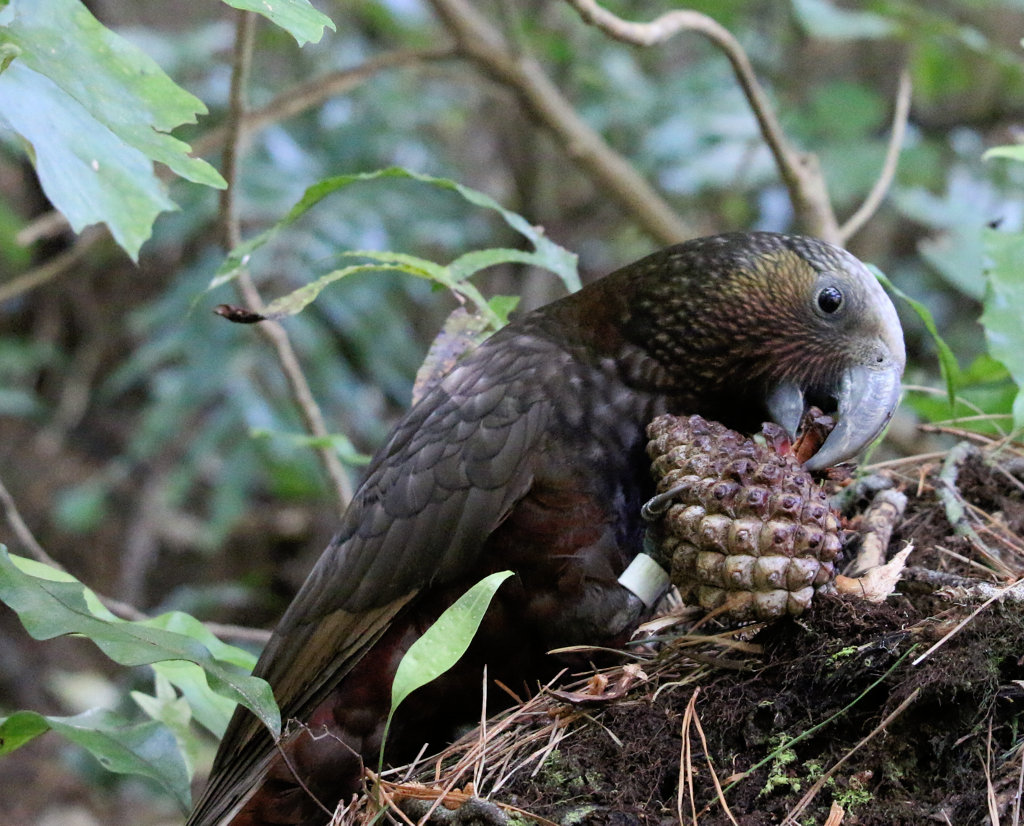
PHOTO: By Kate Macbeth - Own work, CC BY-SA 4.0, https://commons.wikimedia.org/w/index.php?curid=76905225

NZ researchers looked at the history of translocating birds, bats, reptiles, and bugs in Aotearoa to reduce extinction risk and restore ecosystems. They say there's a common perception that translocations are relatively easy and that their success is always assured, but that the evidence both here and abroad doesn’t back that. In fact, the author team writes that the quality of proposals to translocate species varies a lot, with some being poorly thought out or just a bad idea for the species in question. The authors want to see more successful translocations here, and propose six considerations they think will help in achieving that success.

News release

From:

Journal/
conference:
New Zealand Journal of Ecology
Organisation/s: Manaaki Whenua - Landcare Research, University of Otago, University of Canterbury, Department of Conservation, Massey University, Parker Conservation, NZ; Zoological Society of London, UK;
Funder: KAP, ZS and DPA were funded by the Ministry of Business and Innovation (MBIE) through an Endeavour Grant (contract C09X1805) as part of the More Birds in the Bush programme.
Media Contact/s
Contact details are only visible to registered journalists.