 Sign In



 Pacific; International
News release
From:
Ecology: Animal life discovered below the seafloor *IMAGES & VIDEOS*
The discovery of animal life below the seafloor at hydrothermal vents in the East Pacific Rise is reported in a Nature Communications paper. The research sheds new light on the complex habitats that are found in the deep ocean.
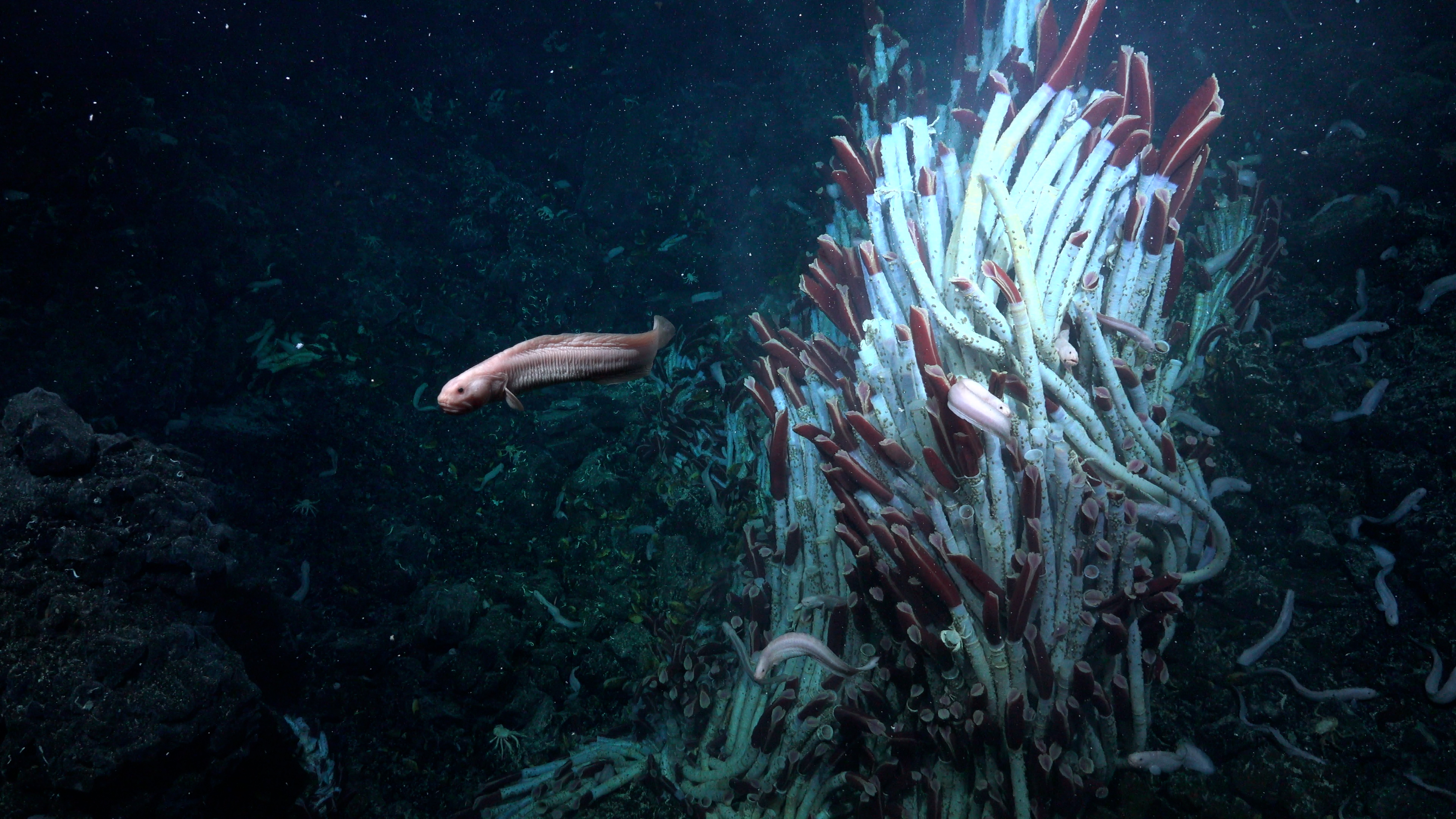
The East Pacific Rise is a volcanically active ridge located where two tectonic plates meet on the floor of the Pacific Ocean. It contains numerous hydrothermal vents — openings in the seafloor that form where seawater and magma beneath the Earth's crust meet. Previous research has focused on organisms living on the seafloor around these vents, including tubeworms and mussels, but the possibility of animal life existing below the shallow seafloor crust has remained largely unexplored.
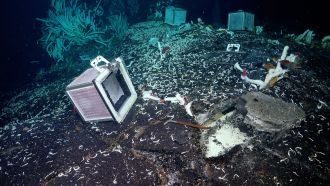
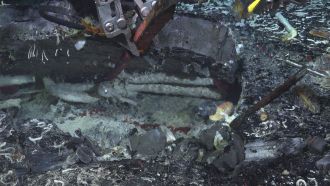
Monika Bright, Sabine Gollner, and colleagues, sailing on the Schmidt Ocean Institute research vessel Falkor (too),embarked on a series of dives to a hydrothermal vent site located at 2,515 m depth on the East Pacific Rise using the remotely operated vehicle SuB-astian. When exposing sections of the seafloor crust using the arms of the vehicle, the authors uncovered warm, fluid-filled cavities inhabited by various species previously only found on the seafloor, including giant tubeworms and mobile animals such as worms and snails. The authors suggest that larvae from seafloor communities may settle in these subseafloor habitats, indicating a complex connectivity between seafloor and subseafloor ecosystems.
The discovery of animal habitats in the crustal subseafloor, the extent of which is currently unknown, increases the urgency for protections against potential future environmental changes, the authors suggest.
Multimedia


Attachments
Note: Not all attachments are visible to the general public. Research URLs will go live after the embargo ends.


