 Sign In



 International
News release
From:
Ecology: Deforestation and fires are shrinking Amazonian habitats (N&V)
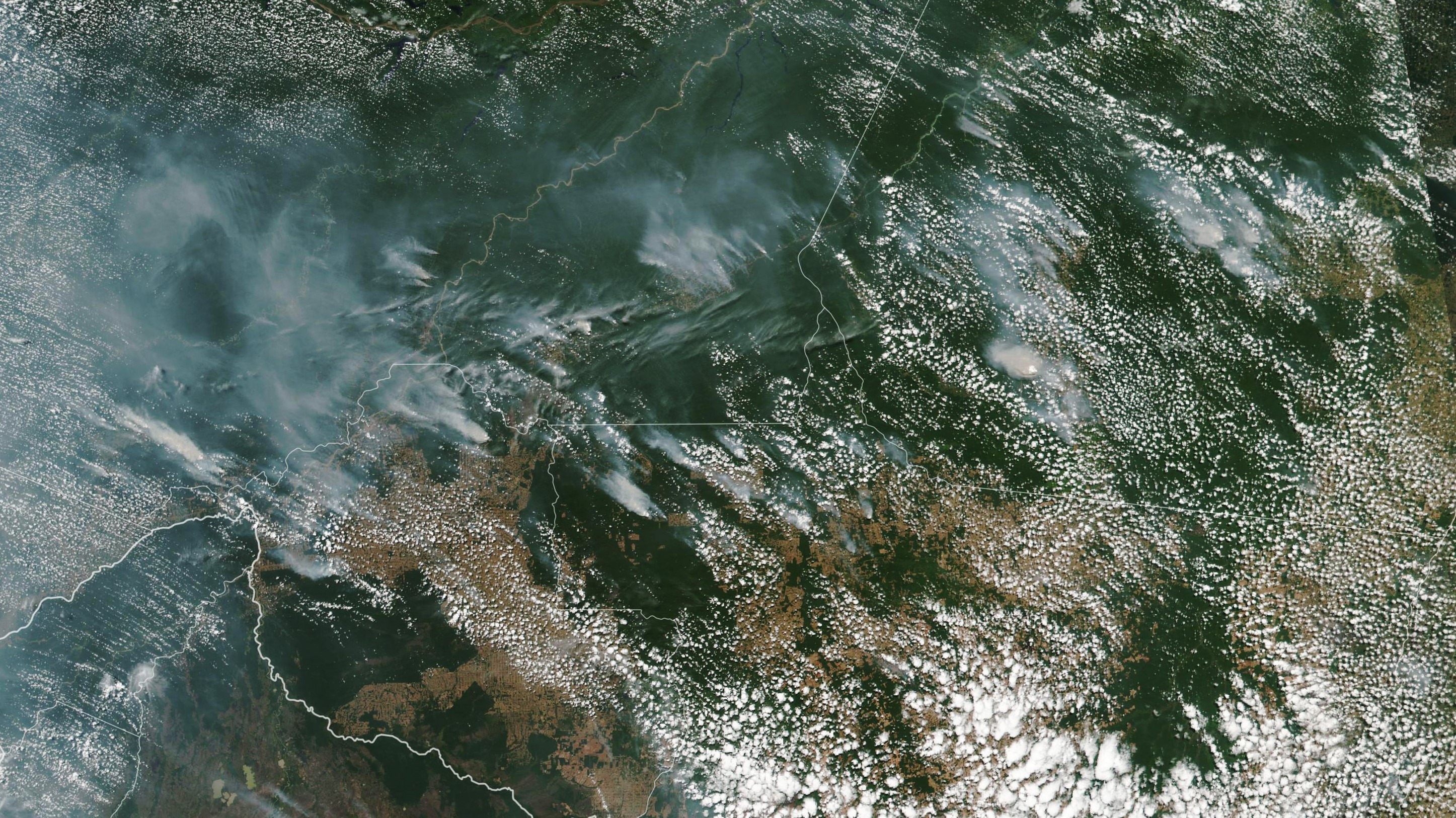
Up to 85% of species listed as threatened in the Amazon may have lost a substantial portion of their habitat owing to deforestation and fires in the past two decades, a study in Nature indicates. It is estimated that for every 10,000 km2 of forest that is burned, about 27–37 additional plant species and about 2 or 3 more vertebrate species that have more than 10% of their range in the Amazon will be affected. As fires move closer to the heart of the Amazon Basin, which has greater levels of biodiversity, the impact of fires on biodiversity is expected to increase.
The Amazon Basin has a vital role in regulating the Earth’s climate and is home to 10% of all known species. Degradation of the forest threatens the resilience of this ecosystem; around 21–40% of the forest cover is predicted to be lost by 2050, which will have large impacts on Amazonian biodiversity. To better understand these impacts, Xiao Feng and colleagues investigate how forest fires have been affecting the geographic range of 11,514 plant species and 3,079 animal species over the past two decades.
Since 2001, 103,079–189,755 km2 of Amazon rainforest (2.2–4.1% of the total area) have experienced fires, which have impacted the ranges of 77.3–85.2% of species listed as threatened in this region, the authors estimate. They note that periods of increased fires correlate with relaxation of policies designed to slow deforestation and forest burning. In Brazil, policies to reduce deforestation implemented in the mid-2000s were relaxed in 2019, which saw an increase in fire-impacted area (around 20–28% higher than expected), affecting the ranges of an estimated 12,257–13,245 12,064–12,801 plant and vertebrate species. These findings demonstrate the connection between policy and forest fires and how these factors can impact biodiversity, the authors conclude.
Attachments
Note: Not all attachments are visible to the general public. Research URLs will go live after the embargo ends.


