 Sign In



 NSW
NSW
News release
From:
Comparative Use of a Polarised Light Compass for Twilight and Moonlight Navigation in Diurnal and Nocturnal Bull Ants
Royal Society Open Science
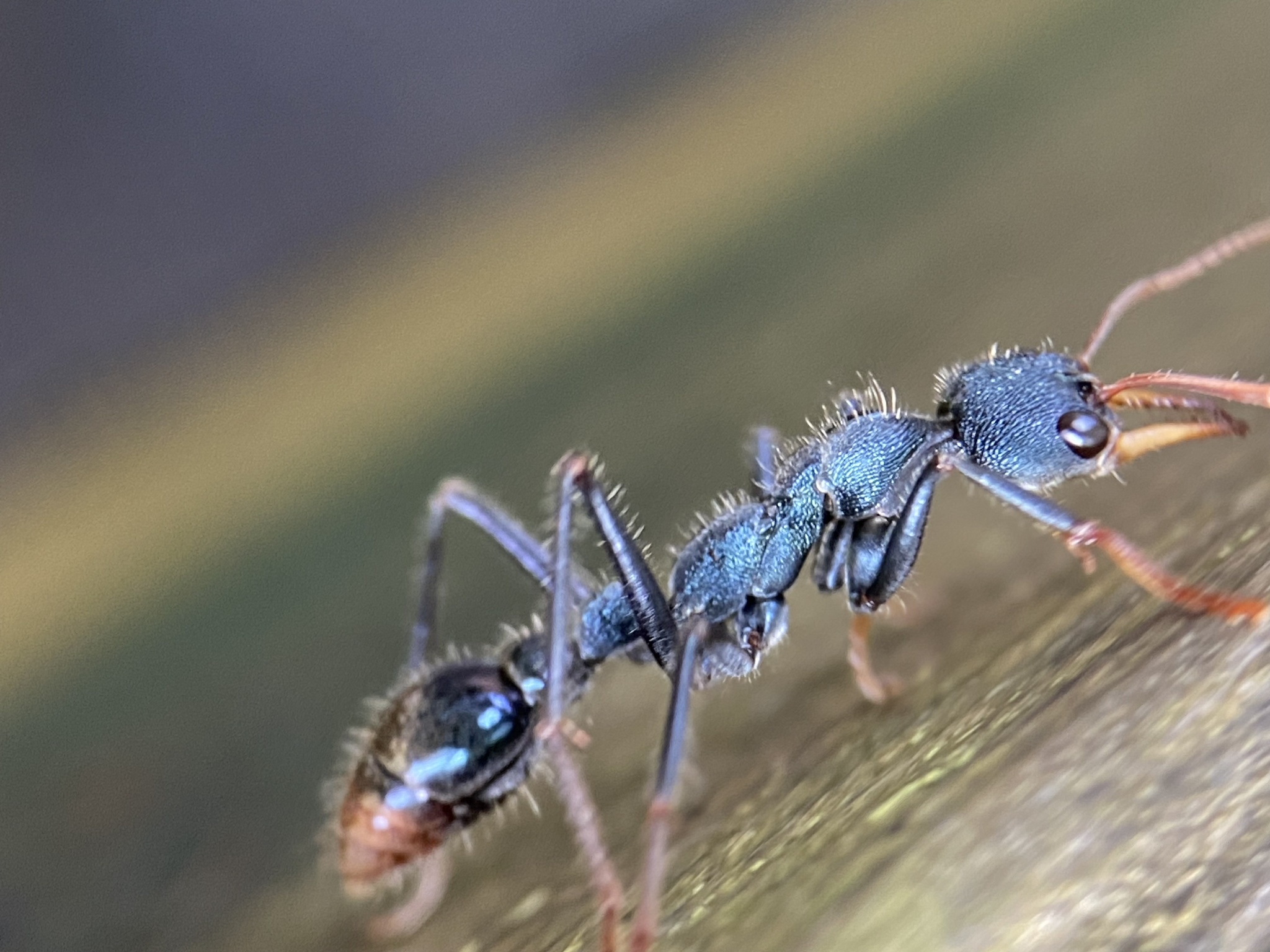
How do ants find their way in the dark? Many insects use patterns of polarised light in the sky as a built-in compass. We studied two Australian bull ant species: the nocturnal Myrmecia midas and the daytime Myrmecia tarsata. By rotating the sky’s polarised-light pattern with a special filter, we tested whether ants would in turn adjust their headings. The night-active M. midas followed the moon’s pattern even under a thin crescent moon, while M. tarsata detected it only under bright, near-full moons. These results reveal how nocturnal ant’s dim-light eye adaptations allow nighttime navigation using a moonlight compass.
Attachments
Note: Not all attachments are visible to the general public. Research URLs will go live after the embargo ends.


