 Sign In



 Australia; NSW; ACT
News release
From:
World-leading scientific research using 3D X-ray technology for the detection of illegal wildlife trafficking
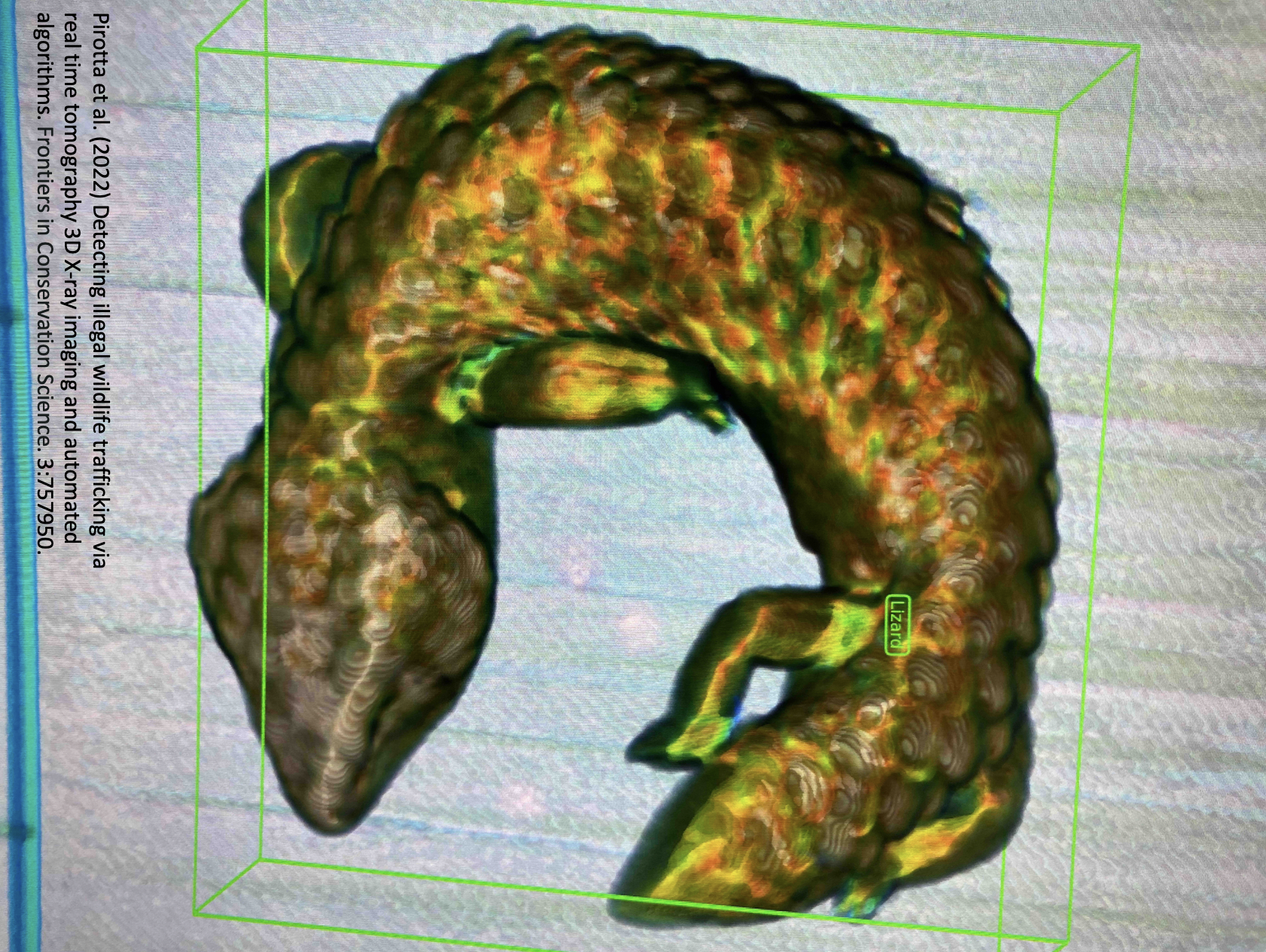
The ‘Detecting illegal wildlife trafficking via real-time tomography 3D x-ray imaging and automated algorithms’ paper by Pirotta et al. published today (23rd September 22) is the first to document the use of 3D x-ray CT scanning technology for the use of wildlife protection in the scientific literature.
This research is a result of detection and conservation agencies; DAFF, DCCEEW, Rapiscan Systems and the Taronga Conservation Society Australia joining forces to combat the illegal smuggling of wildlife through mail and traveller luggage pathways.
Deputy Secretary of the Biosecurity and Compliance group at the Department of Agriculture Fisheries and Forestry (DAFF), Chris Locke, and acting Assistant Secretary for Environment Compliance at the Department of Climate Change, Energy, the Environment and Water (DCCEEW), Sam Hush said the paper published in the Frontiers in Conservation Science Human-Wildlife Interactions Journal provided the reported results for three wildlife classes (i.e. lizards, birds and fish) within 3D x-ray CT security scan images.
“Illegal wildlife trafficking poses a significant biosecurity risk to Australia as it could introduce pests and diseases that could impact on the environment, as well as human and animal health,” Dr Locke said,
“This paper demonstrates the boundless potential the 3D x-ray algorithm has in helping to stop exotic wildlife from being trafficked, protecting Australia’s agricultural industries and unique natural environment from exotic pests and diseases
“This innovative technology is an invaluable complementary platform to our existing biosecurity and wildlife detection tools at Australian international borders, with potential worldwide applications in the future.”
Mr Hush said wildlife trafficking was also detrimental to Australia’s biodiversity.
“Taking animals from the wild poses risks to the species’ conservation, local populations, habitats and ecosystems, and stopping wildlife from being trafficked into Australia protects our unique natural environment from exotic pests and diseases,” Mr Hush said.
“It is also extremely cruel. Smuggled animals often suffer stress, dehydration or starvation and many die during transit.
“We have been working with DAFF to test and validate the wildlife 3D x-ray and algorithms which have both proven to be very effective and can help lead to a number of important detections.”
DAFF, DCCEEW, Rapiscan Systems and the Taronga Conservation Society Australia continue to work together to detect illegal wildlife trafficking at international frontlines.
Attachments
Note: Not all attachments are visible to the general public. Research URLs will go live after the embargo ends.


