 Sign In



 Australia; International; NSW; SA
News release
From:
The Lancet: Small, achievable changes in physical activity linked to lower mortality risks, study suggests
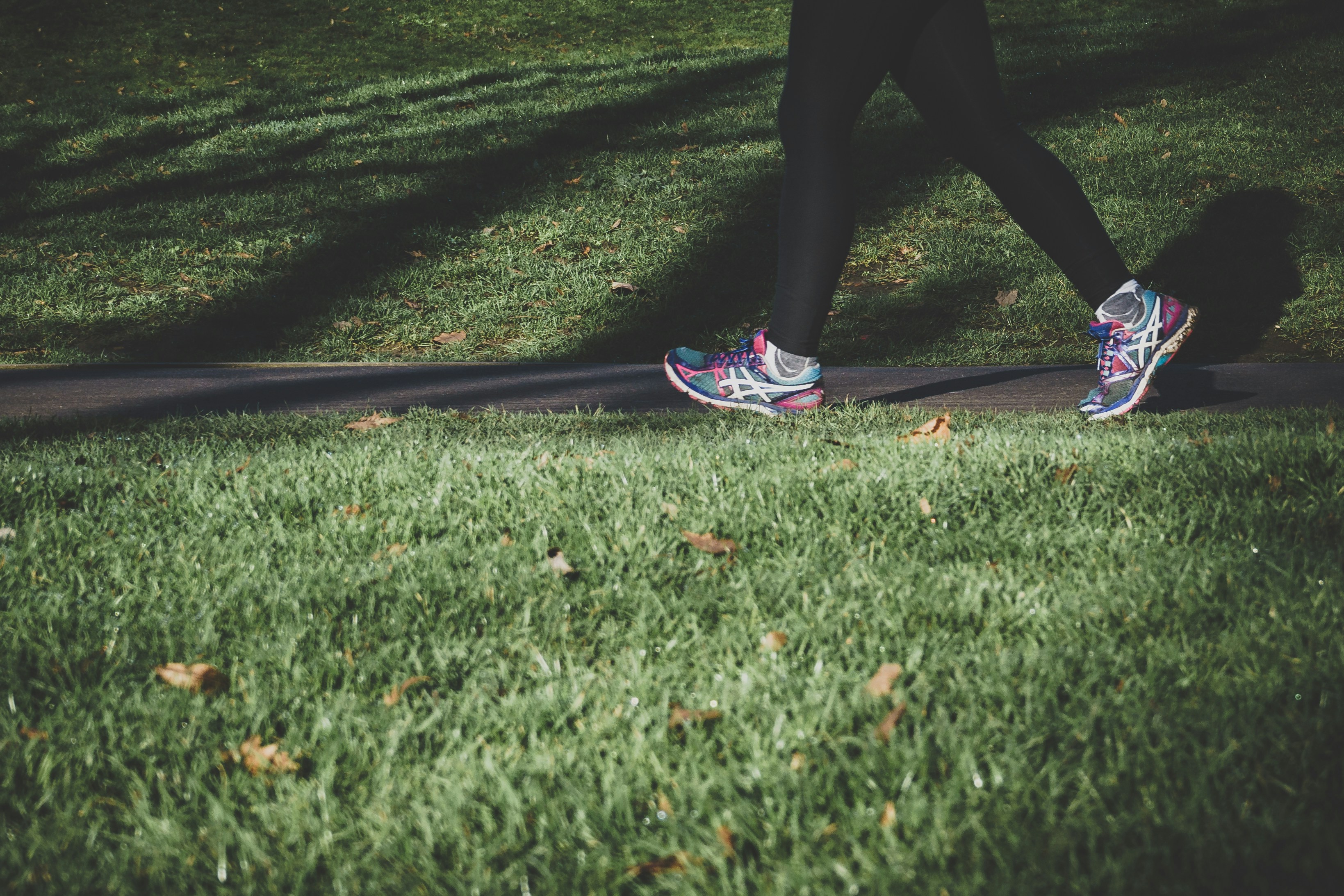
Moderate-intensity physical activity, such as walking at a an average speed of 5 km/h (3 mph) for an extra five minutes a day is associated with a 10% reduction in all deaths in the majority of adults [1] (who accumulate around 17 minutes of moderate-intensity activity on average), and around 6% of all deaths in the least active adults [2] (those who are active at this intensity on average for around 2 minutes a day), according to a new study published in The Lancet.
The study also found that reducing sedentary time by 30 minutes per day was associated with an estimated 7% reduction in all deaths if adopted by the majority of adults (who spend 10 hours being sedentary per day), and around 3% of all deaths if adopted by the most sedentary adults (who spend 12 hours being sedentary per day on average). The greatest benefit was observed if the least active 20% of the population increased their activity by 5 minutes per day.
Current estimates of preventable deaths from increased physical activity and reduced time spent inactive rely on self-reported activity data and assume that people must meet WHO guidelines [3], overlooking the health benefits of even small increases in physical activity. Previous evidence from device-measured physical activity suggests that not only moderate-to-vigorous activity (such as walking at a moderate pace), but also light-intensity activity and reduced time spent sedentary, may be associated with a lower risk of death. However, the overall effect of these smaller, achievable changes on the population-level risk of death had not previously been studied.
The new study analysed data from more than 135,000 adults across seven cohorts in Norway, Sweden, and the United States, as well as the UK Biobank, with follow-ups averaging eight years. Using device-measured physical activity and time spent sedentary, the researchers estimated the proportion of deaths potentially preventable by small daily increases in moderate-to-vigorous physical activity or reductions in sedentary time. The study also found that being active at least at moderate intensity for an additional 10 minutes per day was associated with a 15% reduction in all deaths among most adults and a 9% reduction among the least active adults. A one-hour reduction in sedentary time among the majority of adults was associated with a 13% reduction in all deaths, and a 6% reduction among the least active adults. The estimated proportions of preventable deaths due to the same increases in time at moderate intensity and reductions in sedentary time in the UK Biobank cohort were lower but still substantial. The authors note that, as with any observational study, residual confounding or unmeasured factors, such as mobility limitations could influence results, and the associations cannot definitively establish causation.
The authors say that these estimates provide important evidence on the wide range of public health impacts associated with even small positive changes in physical activity and inactivity. However, they emphasize that these findings are meant to highlight potential benefits for the population as a whole and should not be used as personalised advice, such as specific exercise recommendations for individuals. More research using wearable activity trackers is needed in low- and middle-income countries, where people’s ages, activity levels, and health risks may differ significantly from those in this study.
[1] Defined as all but the most active 20% of the population.
[2] Defined as the least active 20% of the population.
[3] https://www.who.int/publications/i/item/9789240015128
-
eClinicalMedicine: When combined, small improvements in sleep, physical activity, and diet are linked with a longer life, study suggests
For people with the unhealthiest sleep, physical activity and dietary habits [1], making a few combined tweaks to these behaviours could have a significant impact on overall lifespan, suggests a new study published in eClinicalMedicine journal (part of The Lancet Discovery Science suite of journals). For example, an additional five minutes of sleep, two minutes of moderate to vigorous physical activity (such as brisk walking or taking the stairs) and an additional half a serving of vegetables per day could theoretically lead to an extra year of life for those with the worst existing sleep, physical activity, and dietary habits.
Sleep, physical activity, and nutrition are important factors for lifespan and reducing risk of disease, however they are often studied in isolation. This is the first study of its kind to investigate the minimum combined improvements in sleep, physical activity and diet to lead to a significantly longer lifespan and years spent in good health.
The study looked at almost 60,000 people in the UK Biobank cohort recruited between 2006-2010 and followed for an average of eight years. Authors estimated lifespan and years spent in good health across different variations of behaviours using a statistical model. Compared to people with the worst sleep, physical activity and dietary habits, the model suggested that the most optimal combination of these behaviours - seven to eight hours of sleep per day, more than 40 minutes of moderate to vigorous physical activity a day and a healthy diet - was associated with over nine years of additional lifespan and years spent in good health.
The authors highlight that the combined relationship of sleep, physical activity and diet is larger than the sum of the individual behaviours. For example, for people with the unhealthiest sleep, physical activity and dietary habits to achieve one additional year of lifespan through sleep alone would require five times the amount of additional sleep per day (25 minutes) than if physical activity and diet also improved a small amount.
Authors say their findings suggest that, when combined, very small improvements in sleep, physical activity and diet could lead to meaningful changes in lifespan and years spent in good health for those with poor current habits in these areas, and that this offers a more feasible and sustainable starting place for making behaviour change. However, they caution that additional studies are needed to examine the translation of these findings into clinical and public health practice.
[1] The reference point of the study was people in the cohort in the lowest 5th percentile of sleep (5.5 hours/day), physical activity (7.3 mins/day), and nutrition (36.9/100 diet quality score).


