 Sign In



 International
News release
From:
Investigating global atmospheric microplastic emissions
Microplastic emissions into the air from land sources are estimated to be about six hundred quadrillion particles per year, which is more than 20 times larger than emissions from the oceans, according to a global analysis published in Nature. Atmospheric microplastic concentrations were also found to be a hundred to ten thousand times lower than previously estimated. The authors emphasise the need to improve global emissions estimates to inform future monitoring and mitigation efforts.
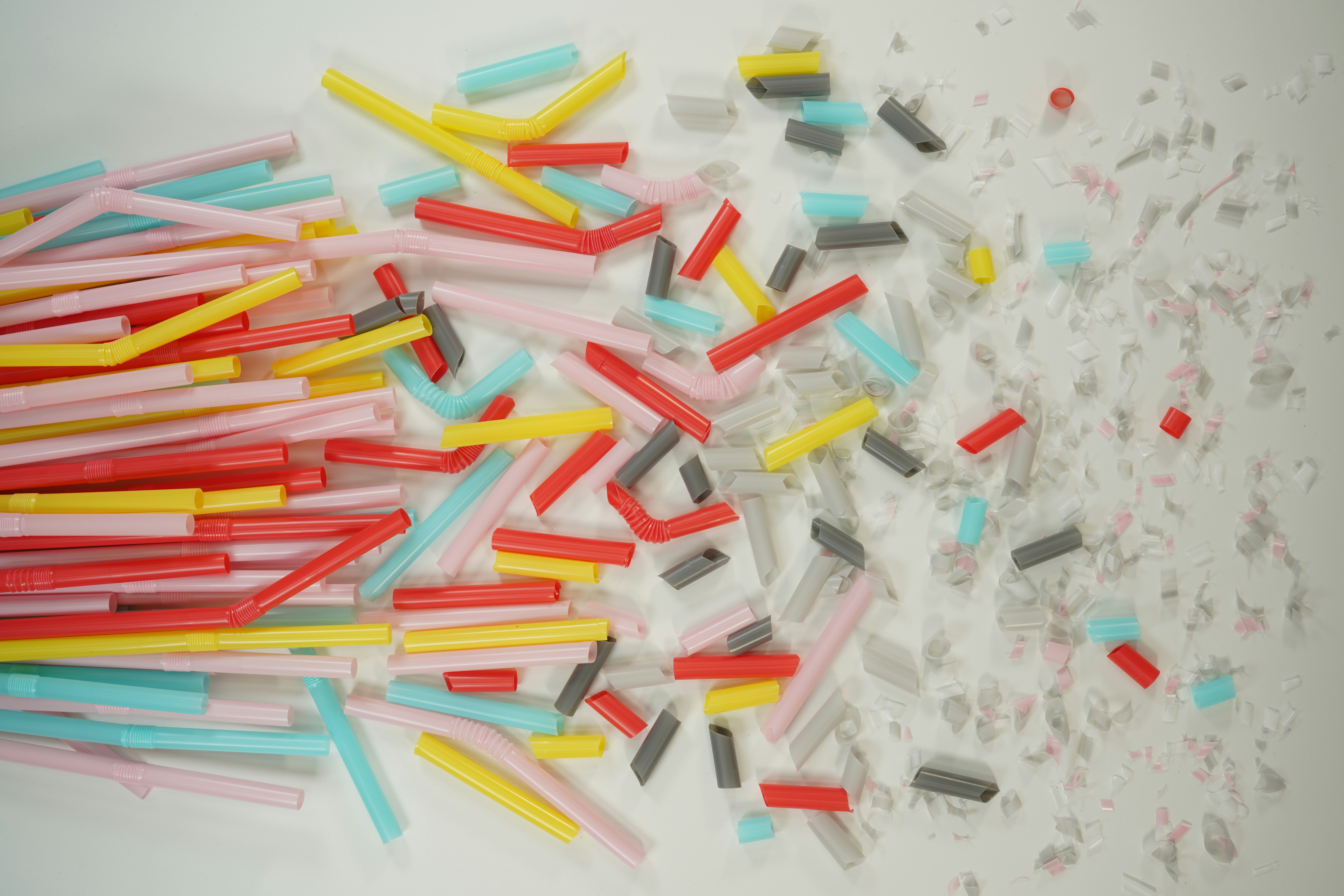
Microplastics, defined as plastic particles between 1 µm and 5 mm in size, can originate from primary sources such as vehicle tyre and brake wear or are formed by fragmentation of larger plastics and are found in air, water, and soils. Their atmospheric cycle remains poorly understood and there are sparse measurements and inconsistent methods, leading to uncertain emission estimates.
Ioanna Evangelou, Silvia Bucci, and Andreas Stohl compiled 2,782 measurements of atmospheric microplastic concentrations and depositions from 76 studies across 283 locations around the world between 2014 and 2024. They then compared these with model simulations. The authors found that median concentrations were 0.08 particles per cubic meter over land and 0.003 particles per cubic meter over the sea, whereas models overestimated these by two to four orders of magnitude. After scaling, annual emissions are estimated at 6.1×10¹⁷ (six hundred and ten quadrillion) particles from land and 2.6×10¹⁶ (twenty-six quadrillion) from oceans for particles 5–100 µm.
The authors suggest that there are fewer airborne microplastics emitted than previously thought and that their work highlights the need for better size distribution data and more open-ocean measurements. However, they note that sparse coverage and uncertainties in converting between mass and the number of particles are some of the limitations of the research. Future work should resolve emission and size distributions and extend measurements to smaller microplastics and nanoplastics.
Attachments
Note: Not all attachments are visible to the general public. Research URLs will go live after the embargo ends.


