 Sign In



 Australia; WA
News release
From:
Families living in remote Kimberley communities are paying up to twice as much for everyday items needed to support healthy living, according to new research led by The Kids Research Institute Australia.
The study, led by Dr Stephanie Enkel from the Wesfarmers Centre of Vaccines and Infectious Diseases’ Healthy Skin and ARF Prevention team, examined the cost and availability of essential goods linked to the Healthy Living Practices (HLP) framework in remote Aboriginal communities across Western Australia’s Kimberley region.
The HLP outlines key activities needed to maintain health in the home, including bathing, washing clothes and bedding, improving nutrition through food storage and preparation, and reducing hazards that can cause trauma.
Dr Enkel found that a basket of essential items – including soap, shampoo, laundry powder, fresh and frozen vegetables, fruit, antiseptic and bandages – cost between $39 and $48 in remote community stores, compared with just $20 in Perth and $22 in Broome.
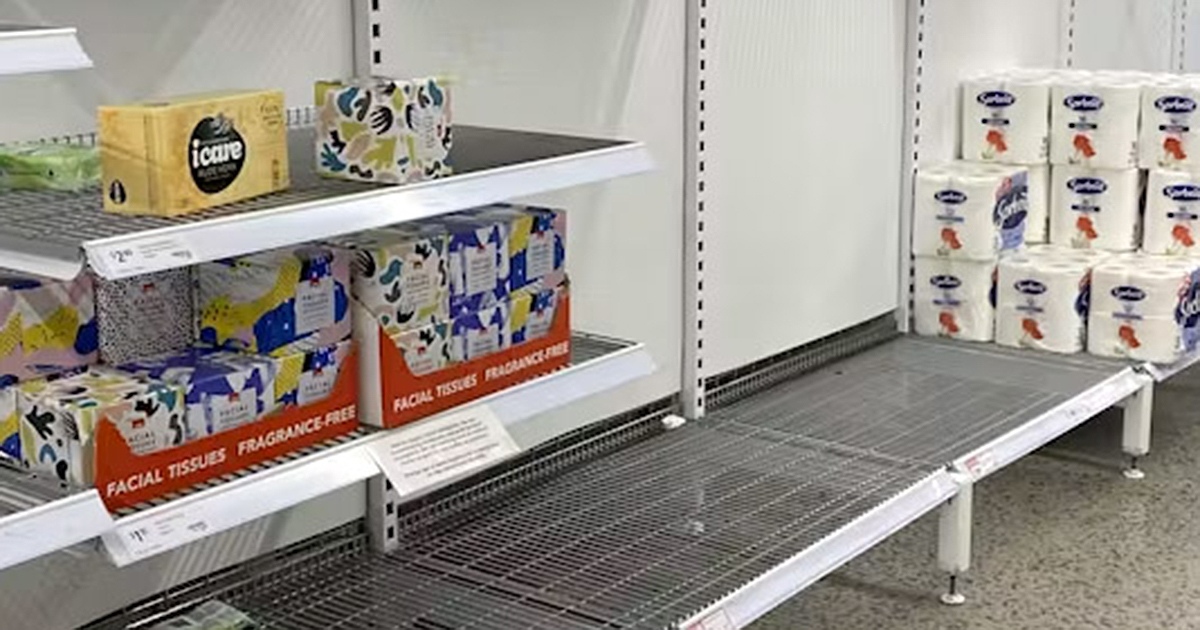
Her research also revealed that the availability of essential items was inconsistent in remote Kimberley communities. Across 23 store visits, a complete basket of essential goods was available just 57 per cent of the time, with basic first aid and hygiene products among the items most commonly missing.
“We didn't set out expecting availability to be such a significant issue, but we found that a complete basket of essential items could only be purchased a little over half the time,” Dr Enkel said.
“The items we looked at are basic necessities, and for them to be unavailable so often is concerning.”
The data were collected between 2019 and 2022 as part of the SToP (See, Treat, Prevent) Skin Sores and Scabies Trial, a program that engaged remote Kimberley communities to reduce the burden of skin infections in Aboriginal children through improved identification, treatment and prevention strategies.
Dr Enkel also compared the cost of major household appliances required for maintaining healthy home environments.
She found that refrigerators and washing machines were, on average, around 45 per cent more expensive in remote community stores than in Perth and Broome.
Dr Enkel said the findings pointed to the need for policy responses to improve equity in remote communities, including price relief on essential household and hygiene items, freight subsidies and minimum stock requirements for key health-related products.
“People should have the opportunity to live wherever they choose and have the ability to lead healthy lives,” Dr Enkel said.
“What we're seeing is that the cost and availability of essential goods are hampering people's ability to maintain their basic health. This is one part of a much bigger health equity story, where social and environmental conditions continue to make healthy living harder in remote communities.”

