To eat or not to eat? How the brain decides when, what, and how much to eat

Publicly released:
International
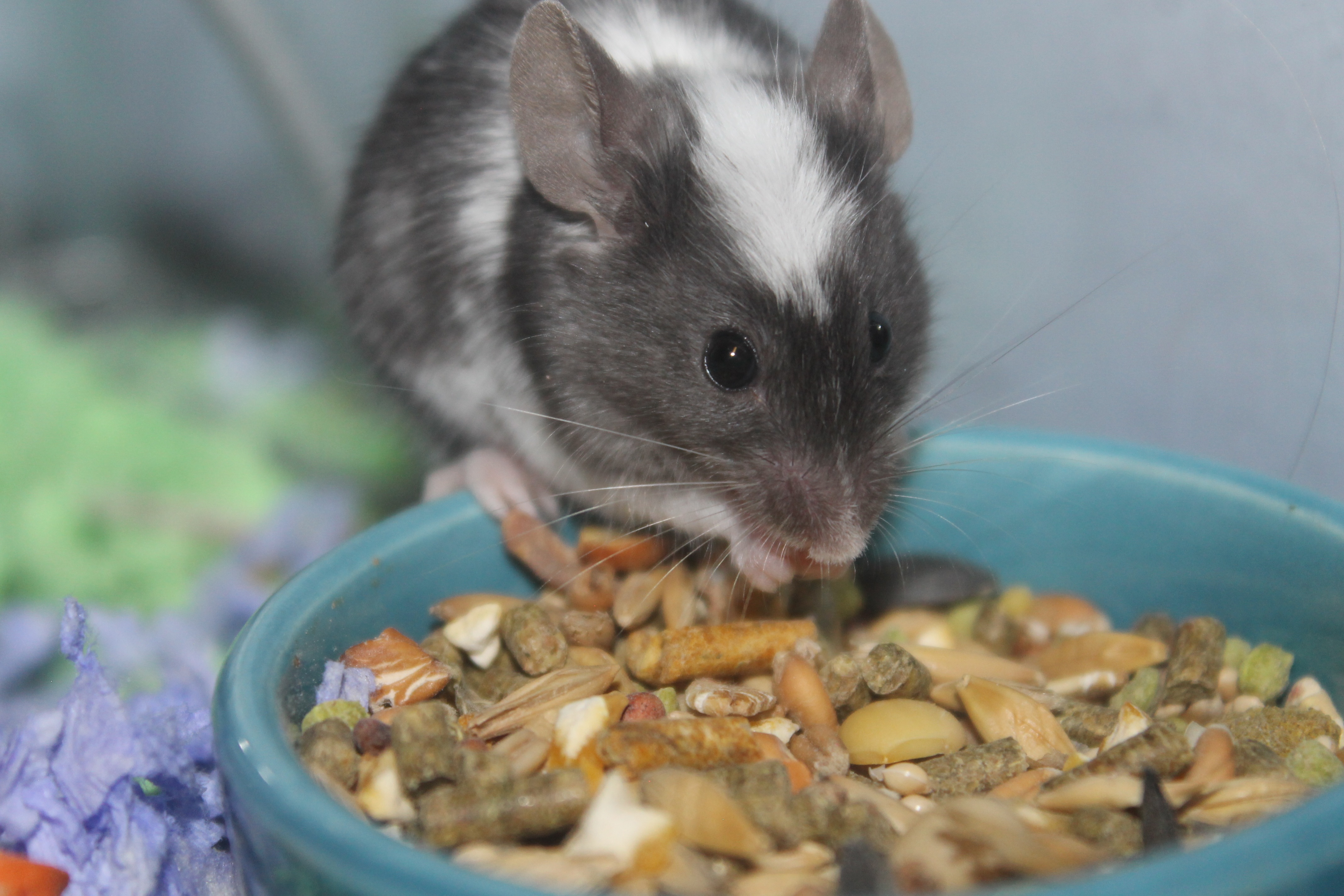
Image by Nature_Blossom from Pixabay

The decision of 'what to eat, when, and how much' is made by the brains of humans and animals every day, but the decision is based on more than just hunger. According to international researchers, the brain must juggle danger, past experiences with food, the body's energy needs, and how good the food tastes when trying to answer the question: to eat or not to eat? The team analysed research on animals and humans to explain how the brain weighs all these factors to make decisions about eating. They suggest that understanding these processes is essential for developing better ways to treat conditions like obesity, binge eating disorder, and anorexia nervosa.

News release

From: The Royal Society

To eat or not to eat: that is the question
Every day the brain must decide when, what, and how much to eat. This decision depends not just on hunger, but on many competing factors: how good food tastes, whether danger is nearby, past experiences with food, and the body's energy needs. This review brings together research from animal and human studies to explain how the brain weighs all of these inputs to make feeding decisions. Understanding how these processes work and how they can go wrong is essential for developing better translational approaches to treat conditions like obesity, binge eating disorder, and anorexia nervosa.

Journal/
conference:
Royal Society Open Biology
Research:Paper
Organisation/s: Albert Einstein College of Medicine, USA
Funder: Funding for this project is provided by NIDDK (5R01DK141837-02) and The Brain and Behavior Research Foundation. Figures were created using Biorender.
Media Contact/s
Contact details are only visible to registered journalists.