 Sign In



Multimedia

Attachments
Note: Not all attachments are visible to the general public. Research URLs will go live after the embargo ends.

 New Zealand
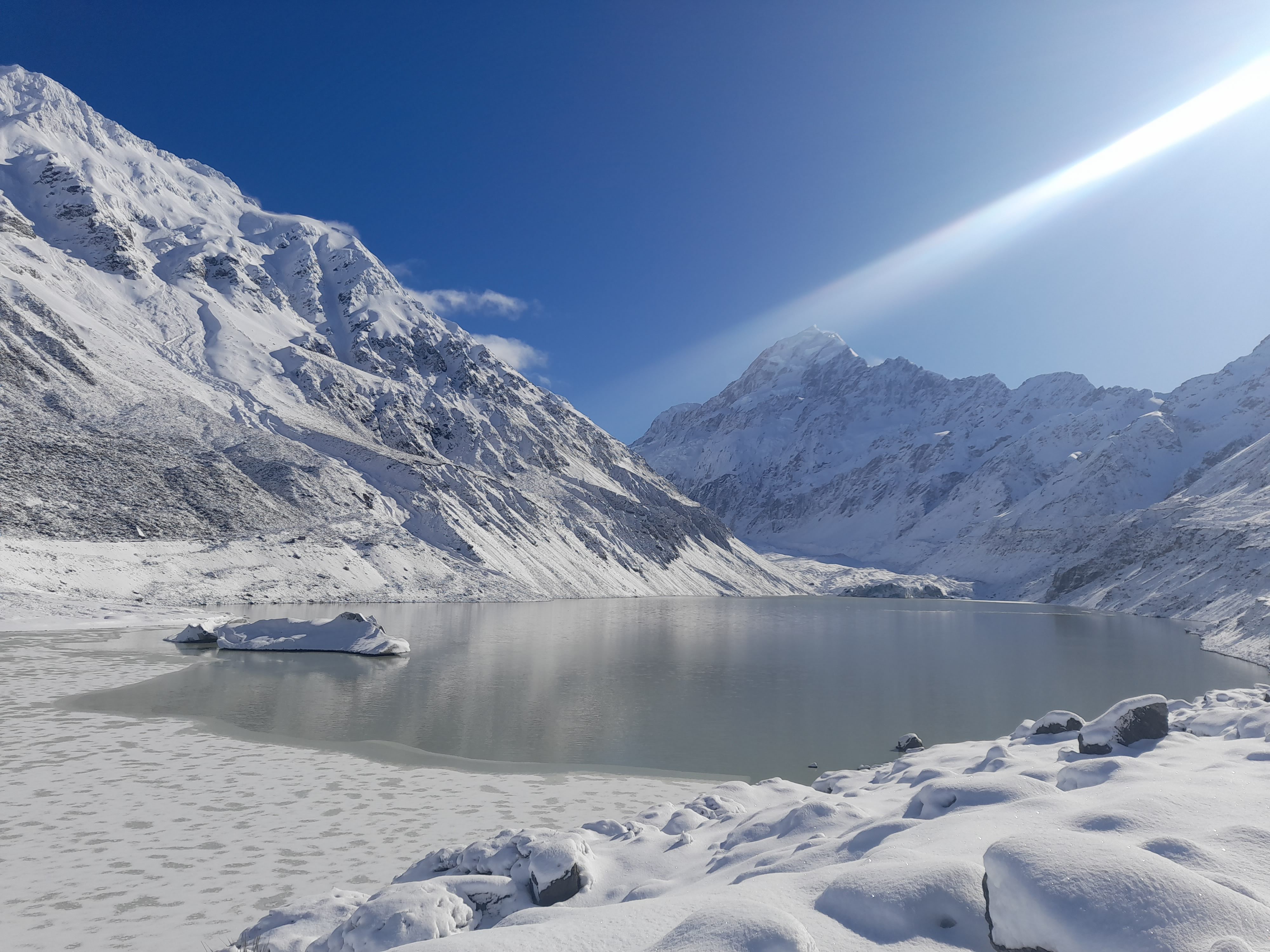
Researchers tested out a relatively new technique to detect avalanches in the unique conditions of the Hooker Valley of Aoraki/Mt Cook National Park. Over the course of 50 days, they paired infrasound monitoring (low-frequency waves) with cameras to observe the area. The infrasound technique captured only the biggest avalanche of the seven picked up by the cameras during that time period. However, the infrasound also detected other signals, possibly avalanches, that were out of the cameras' view. The team says there's potential for infrasound to be a complimentary technique that could help detect large avalanches under certain conditions, as well as provide broad coverage over whole valleys as opposed to cameras that point in a specific direction.
Note: Not all attachments are visible to the general public. Research URLs will go live after the embargo ends.

