 Sign In



 Australia; International
News release
From:
A unique hollow melanosome morphology in the hairs of the platypus Ornithorhynchus anatinus
Melanin pigments are responsible for the colours of many animals. In vertebrates, they are housed in tiny structures called melanosomes, which usually range from spherical to rod-shaped. For decades it was thought that hollow melanosomes occurred only in birds and are always linked to angle dependent colouration. Here, we present hollow, spherical melanosomes in the hair of the platypus. These structures are absent from other monotremes, and all other mammals studied to date. Remarkably, they only produce brown colouration, not functioning in creating iridescence. This finding opens new questions about how melanosomes evolve and function in mammals.
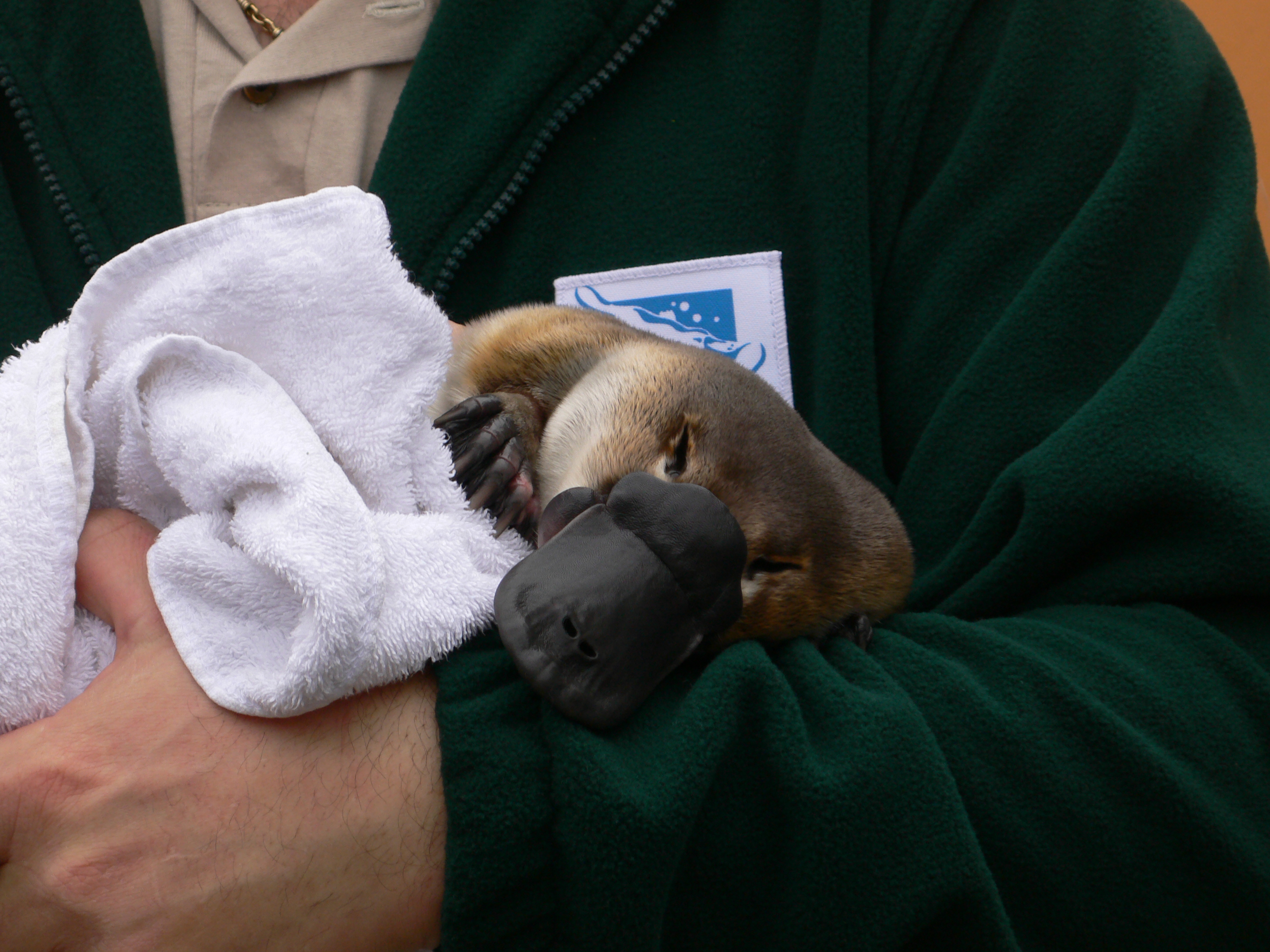
Gotta catch 'em all - Platypuses, the egg-laying mammals with duck bills and beaver tails, can add a new curious trait to their list. Researchers have found evidence of hollow melanosomes, previously thought to be exclusive to birds, in the animal. Melanosomes determine the colours of many animals, and in birds their hollowness is linked to iridescence. This doesn’t seem to be the case in platypuses, opening new questions about the evolution and function of the organelle.
Attachments
Note: Not all attachments are visible to the general public. Research URLs will go live after the embargo ends.


