 Sign In



 Australia; QLD; SA
News release
From:
One million reasons to study respiratory disease in feedlot cattle
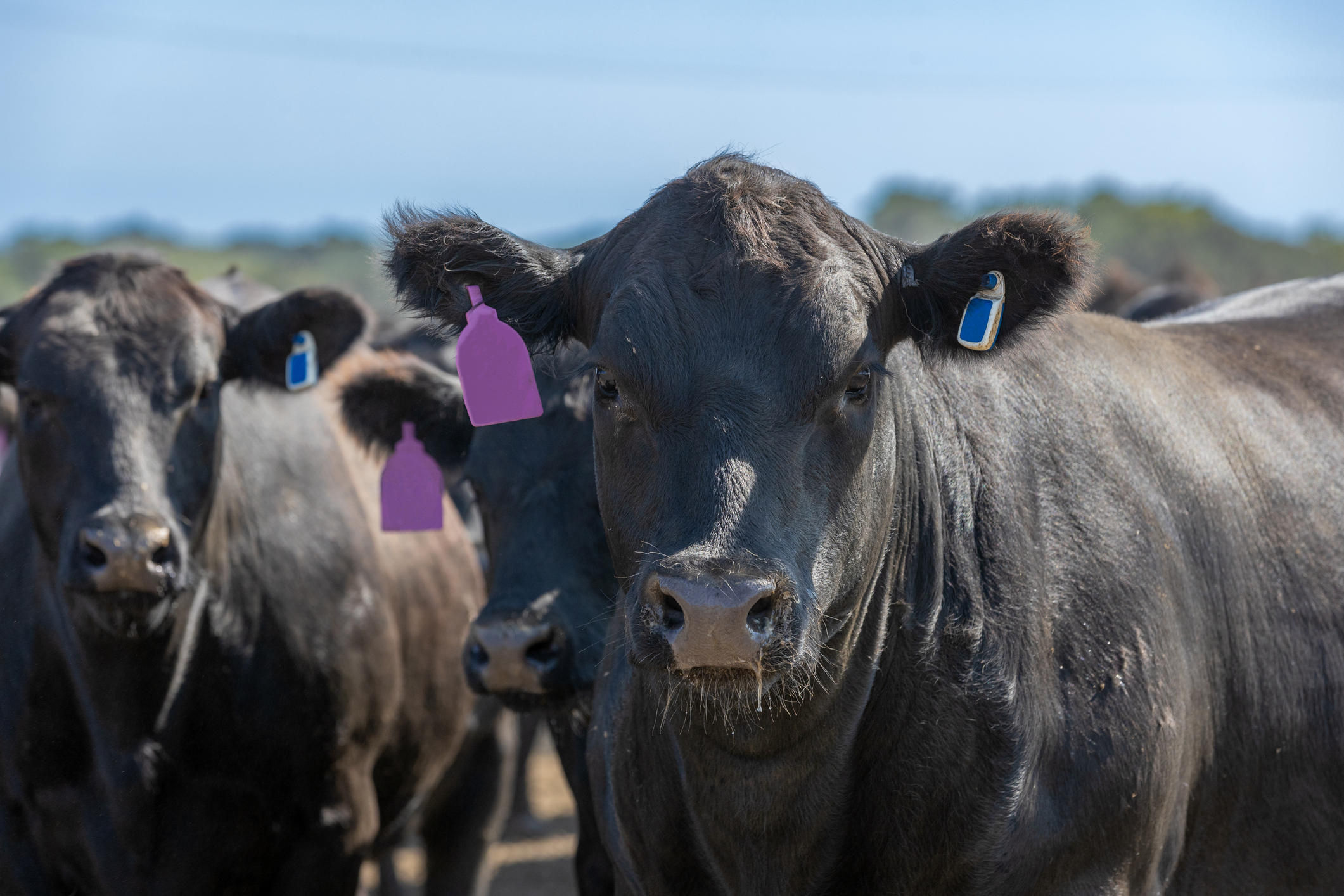
New research involving more than one million Australian feedlot cattle has found that the strongest predictors of death from bovine respiratory disease (BRD) are established before animals even enter the feedlot, highlighting the importance of preventive measures on source properties.
The study, led by Adelaide University in partnership with Apiam Animal Health and Meat and Livestock Australia, analysed health and production records from 1,040,253 cattle across three Australian feedlots between 2018 and 2024, making it the largest Australian investigation of BRD-specific mortality conducted to date. It has been published in Preventive Veterinary Medicine.
Whilst overall mortality rate in Australian feedlots is very low (less than 0.5%), Bovine respiratory disease is a leading infectious cause of illness and death in feedlot cattle and accounted for nearly 38% of all feedlot deaths recorded in the study.
The team discovered that cattle from supplier properties with a history of elevated BRD mortality were more than four times as likely to die from the disease compared with cattle from lower-risk properties. This may provide a potential basis for using supplier history to identify higher-risk consignments before they arrive.
Researchers also found that where cattle were sourced mattered. Cattle purchased through saleyards had a significantly higher risk of BRD mortality than cattle sourced directly from paddocks, an association consistent with the additional handling, transport and commingling involvedin saleyard procurement.
Importantly, the study showed that most BRD deaths occurred early in the feeding period. About 69% of deaths happened within the first 60 days on feed, with the highest mortalityrisk occurring around day 35 after arrival.
Professor Darren Trott, the Director of Adelaide University’s Australian Centre for Antimicrobial Resistance Ecology and a senior author on the study, said the findings reinforce the importance of identifying and managing BRD risk before cattle arrive at a feedlot.
“Our results show that the biggest drivers of respiratory disease mortality are already in place before cattle enter the feedlot,” Professor Trott said.
“Factors linked to the source property, the way cattle are managed before transport, and how they are vaccinated can have a profound impact on survival.
“However, a supplier’s risk profile should not be viewed as permanent. It needs to be continually updated as new performance data become available so that changes in risk can be recognised and management decisions adjusted accordingly,” Professor Trott said.
The research provides strong support for targeted risk management. Rather than treating all cattle as equally vulnerable, feedlots can use supplier history to identify higher-risk cattle and apply additional preventive measures.
The study also found encouraging evidence for pre-arrival vaccination against key respiratory pathogens.
Cattle vaccinated before entering the feedlot had substantially lower BRD mortality than unvaccinated animals. The protective effect was strongest during the first two months on feed, the period when cattle are most vulnerable to disease.
Principal author of the study, PhD candidate Gebremeskel Werid, from the School of Animal and Veterinary Science, said timing was critical.
“Vaccination for major respiratory diseases appears to be most beneficial when it occurs before cattle experience the stresses of transport and feedlot induction. Giving animals time to develop immunity before arrival may help reduce losses during the highest-risk period,” Mr Werid said.
The researchers also identified breed-related differences, with Bos indicus and crossbred cattle showing lower mortality risks than temperate breeds. Seasonal effects were observed as well, although much of the seasonal variation could be explained by heat stress and differences in the risk profiles of source properties.
According to the authors, the findings have practical implications for animal welfare, productivity, and antimicrobial stewardship. Preventing disease before it occurs reduces the need for treatments and improves outcomes for both cattle and producers.
Professor Wayne Pitchford, Director of Adelaide University’s Davies Livestock Research Centre, which also supported the study, said the research points towards a more integrated approach to disease prevention across the entire beef supply chain.
“The message is that effective BRD control cannot rely solely on what happens after cattle arrive at the feedlot,” Professor Pitchford said.
“The greatest gains are likely to come from coordinated action between breeders, backgrounders, transport operators, and feedlots to identify risk earlier and prevent disease before it takes hold.”
‘Determinants of mortality from bovine respiratory disease in Australian feedlot cattle: A survival analysis’ is published in Preventative Veterinary Medicine and authored by researchers from Adelaide University, Apiam Animal Health, Torrens University, and The University of Queensland.
DOI: 10.1016/j.prevetmed.2026.106952

