Sign In



 Australia; International
News release
From:
A study conducted by researchers from Murdoch University in Australia and Dalian Ocean University in China has found that offshore windfarms can improve marine ecosystems and diversify aquatic food chains.
Several species of fish were also more abundant and had more than two times the biomass in the windfarm area.
The findings of this study suggest that aquatic ecosystems could benefit from the construction of offshore windfarms and propose a multi-pronged approach to diversifying aquatic life, generating electricity and transitioning to clean energy.
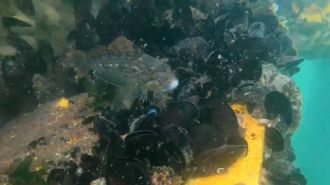
Dr James Tweedley from Murdoch University’s Harry Butler Institute said the impact on fish and other aquatic life was, in large part, due to the rough surfaces of turbine monopiles providing a surface for sessile organisms (unmoving organisms such as barnacles and oysters) to thrive.
“These organisms act as critical food sources and habitat for other species, and this has flow-on effects for overall ecosystem diversity and health,” Dr Tweedley said.
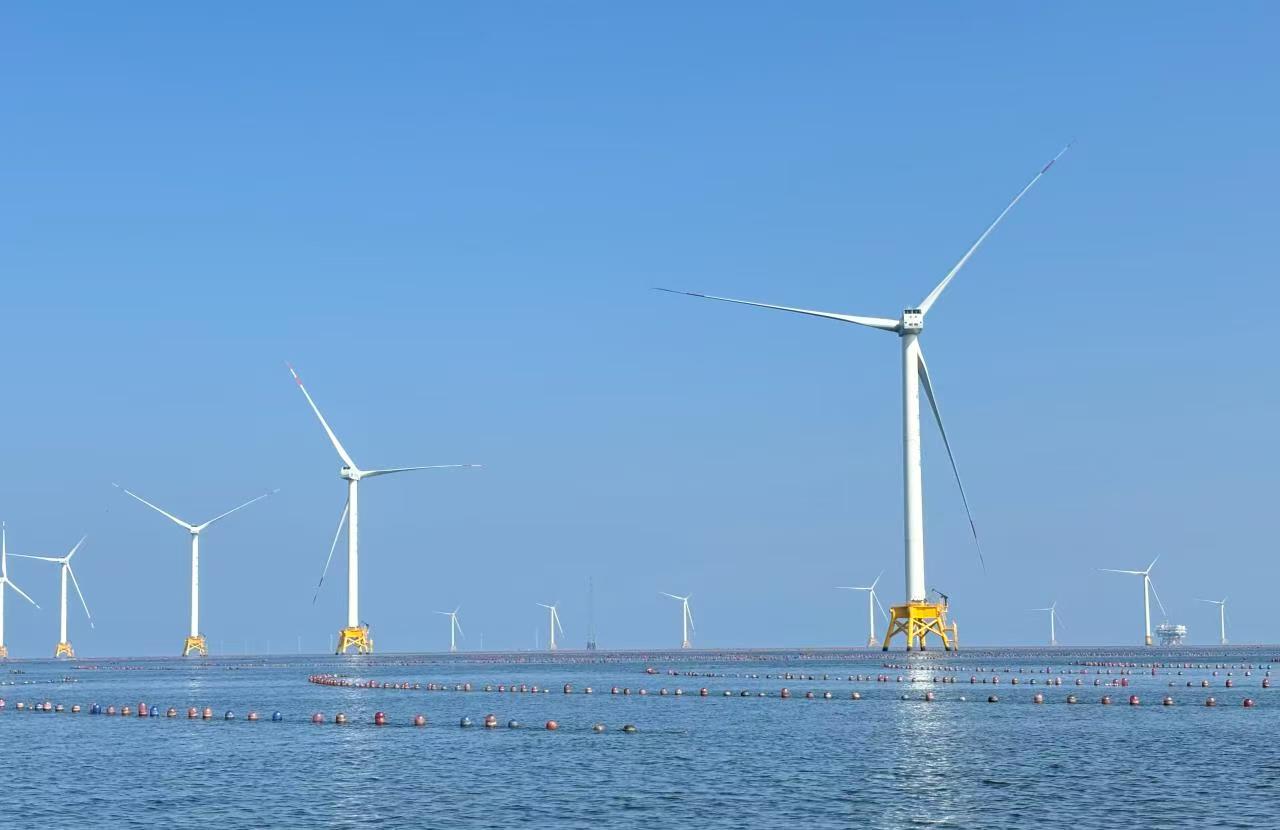
The study compared data from the Zhuanghe Offshore Wind Farm in China’s northern Yellow Sea with a control area without turbines around 6km east across 2023 and 2024.
During this time, the windfarm area had enhanced detrital flow, higher maturity, and overall, greater ecosystem stability.
While geographically different, China and Australia’s oceans are linked by shared currents and climate patterns, creating similar conditions and climate challenges.
Associate Professor Zhongxin Wu from Dalian Ocean University said that in addition to demersal fishes, the offshore windfarm area created a benthic-dominated ecosystem. This is an ecosystem which is primarily sustained by organisms living on or around the ocean floor.
“This type of ecosystem attracts unique and even rare aquatic life. Our results showed that in the offshore windfarm area, benthic fish biomass was almost doubled compared to the control area,” Associate Professor Wu said.
Murdoch University Emeritus Professor Neil Loneragan, one of WA’s leading fish and marine experts, said these findings provided a foundation for understanding how offshore wind farms interact with and influence ecosystem energy dynamics and fishery resources in coastal waters.
“These benthic-dominated ecosystems are critical for nutrient cycling, diversifying food webs and even storing carbon,” he said.
“The results from the paper are very encouraging – they show wind turbines create a different localised marine environment with many positive attributes.”
Multimedia