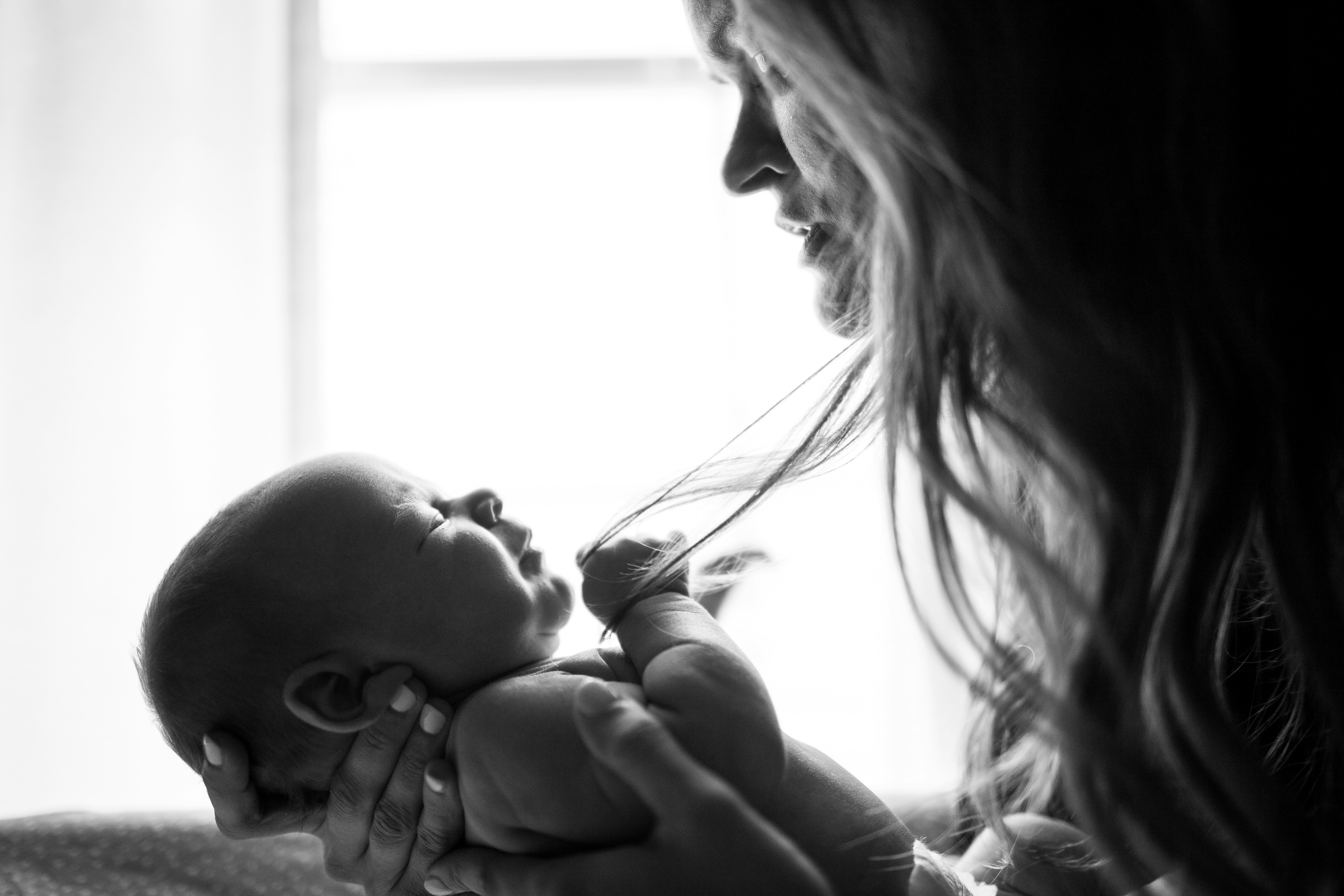
More than 1 in 20 women with postpartum depression struggle to respond to treatment

Publicly released:
International
Story by Rachel McDonald, Australian Science Media Centre. Photo by Zach Lucero on Unsplash.

About 6% of women with postpartum depression are resistant to treatment, according to international researchers who say some women are at a higher risk than others. Using population health data from Sweden, the researchers looked at the demographics and pregnancy characteristics of nearly 60,000 women diagnosed with postpartum depression for the first time, and looked at who went on to meet the criteria for treatment-resistant PPD over the course of a year. They say women with a lower educational level, lower household income, single mothers, mothers pre-existing mental or physical health conditions and those who smoked in early pregnancy were at higher risk of not responding to PPD treatment, as well as those who had a C-section or preterm birth. The researchers say these results could be used to improve risk assessment for new mothers.

Attachments

Note: Not all attachments are visible to the general public. Research URLs will go live after the embargo ends.

Research Springer Nature, Web page The URL will go live after the embargo ends
Journal/
conference:
Nature Mental Health
Research:Paper
Organisation/s: Karolinska Institutet, Sweden
Funder: The work was supported by Karolinska Institutet Research Foundation to Y.C. (grant number 2024-02707) and E.B. (grant number 2022- 01548); the European Research Council to D.L. (grant number 101165552); the Swedish Research Council (Vetenskapsrådet) to D.L. (grant number 2024-02592); the Swedish Research Council for Health, Working Life and Welfare (FORTE) to D.L. (grant number 2020-00971 and 2023-00399); and Karolinska Institutet Strategic Research Area in Epidemiology and Biostatistics to D.L. Y.L. is supported by the US NIMH R01 (grant number MH123724), the European Union’s Horizon 2020 research and innovation program (grant number 964874), the Swedish Research Council (Vetenskapsrådet, grant number 2021- 02615) and the European Research Council (grant number 101042183). Researchers are independent of the funders. The funding has no role in the design of the study and collection, analysis and interpretation of data and in writing the manuscript.
Media Contact/s
Contact details are only visible to registered journalists.