 Sign In



 Pacific
News release
From:
Microplastics are found in a third of surveyed fish off the coasts of remote Pacific Islands
Microplastic contamination was as high as 75% in Fiji, with reef fish and bottom feeders most exposed
A third of fish living in the remote coastal waters of the Pacific Island Countries and Territories are contaminated with microplastics, with especially high rates in Fiji, according to an analysis publishing January 28, 2026 in the open-access journal PLOS One by Jasha Dehm at the University of the South Pacific and colleagues.
Microplastic pollution in marine environments is a global issue impacting ecosystems and human health. Despite their remoteness, the Pacific Island Countries and Territories (PICTs) may be particularly vulnerable to microplastic pollution because of rapid urbanization and limited waste and water management systems. Many coastal communities there rely on fish for nutrition, livelihoods and culture, so might be impacted by consuming contaminated food. However, there has been little research on microplastic contamination in fish consumed in the PICTs.
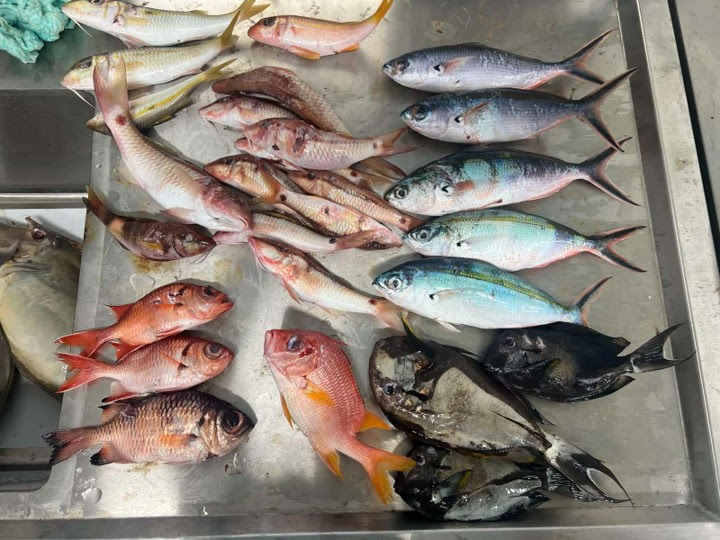
To address this knowledge gap, researchers assessed the prevalence of microplastics in 878 coastal fish from 138 species caught by fishing communities around Fiji, Tonga, Tuvalu, and Vanuatu, using published data from the Global Information Biodiversity Facility. Around a third of fish contained at least one microplastic particle, but contamination rates varied between islands. In Fiji, nearly 75% of fish contained microplastics, significantly higher than the global average of 49%. However, while the frequency of microplastic occurrence was high, how much plastic was found in each fish was very low. In contrast, just 5% of fish caught in Vanuatu were contaminated with microplastics. Although each island hosts different fish communities, two species were present in the catch from all four countries — the thumbprint emperor (Lethrinus harak) and the dash-and-dot goatfish (Parupeneus barberinus) — and both showed higher levels of microplastic contamination in Fiji than other islands.
Using data from a global database of fish species, the researchers investigated how different ecological traits, such as diet, feeding strategy and habitat, influenced rates of microplastic contamination. Reef fish and bottom-dwelling fish were more frequently contaminated with microplastics compared to coastal/lagoon fish and open ocean fish. Species that feed on invertebrates, bottom-feeders, and those that use ambush tactics to catch prey were also more likely to contain microplastics than other fish.
The study highlights the pervasiveness of microplastic pollution even in some of the most remote places on Earth. The high rate of microplastic contamination in Fiji compared to other islands and to the global average may be due to high population density, extensive coastal development and less effective waste management practices. Understanding how ecological traits affect fishes’ likelihood of consuming microplastics could help policymakers identify the ecosystems and human communities at greatest risk, the authors say.
Jasha Dehm adds: "The consistent pattern of high contamination in reef-associated species across borders confirms ecological traits as key exposure predictors, while national disparities highlight the failure of current waste management systems, or lack thereof to protect even remote island ecosystems."
Dr. Amanda Ford adds: “While microplastic levels in Pacific fish are generally lower than in many industrialised regions, Pacific communities rely far more heavily on fish as a primary protein source. Combined with major data gaps across the region, this makes locally generated evidence essential as Global Plastics Treaty negotiations advance and are translated into national policies.”
Dr. Rufino Varea adds: "Beyond the ecological insights, this study delivers a stark warning about the vulnerability of our food systems: we found that the reef-associated and bottom-feeding fish most accessible to our subsistence fishers are acting as reservoirs for synthetic pollution, particularly in Fiji, where nearly three-quarters of sampled individuals contained microplastics. The dominance of fibers in these samples challenges the assumption that marine litter is solely a visible, coastal management issue; it indicates a pervasive infiltration of textile and gear-derived contaminants into the very diet of our communities.
This data shatters the illusion that our remoteness offers protection and provides the evidentiary basis we need to reject downstream solutions—such as recycling schemes—as insufficient. Instead, it compels us to demand a Global Plastics Treaty that enforces strict caps on primary plastic production and toxic additives, as this is the only viable way to safeguard the health and food security of Pacific peoples."
Attachments
Note: Not all attachments are visible to the general public. Research URLs will go live after the embargo ends.


