 Sign In



 International
Media release
From:
Roadmap for reducing, reusing, and recycling in space
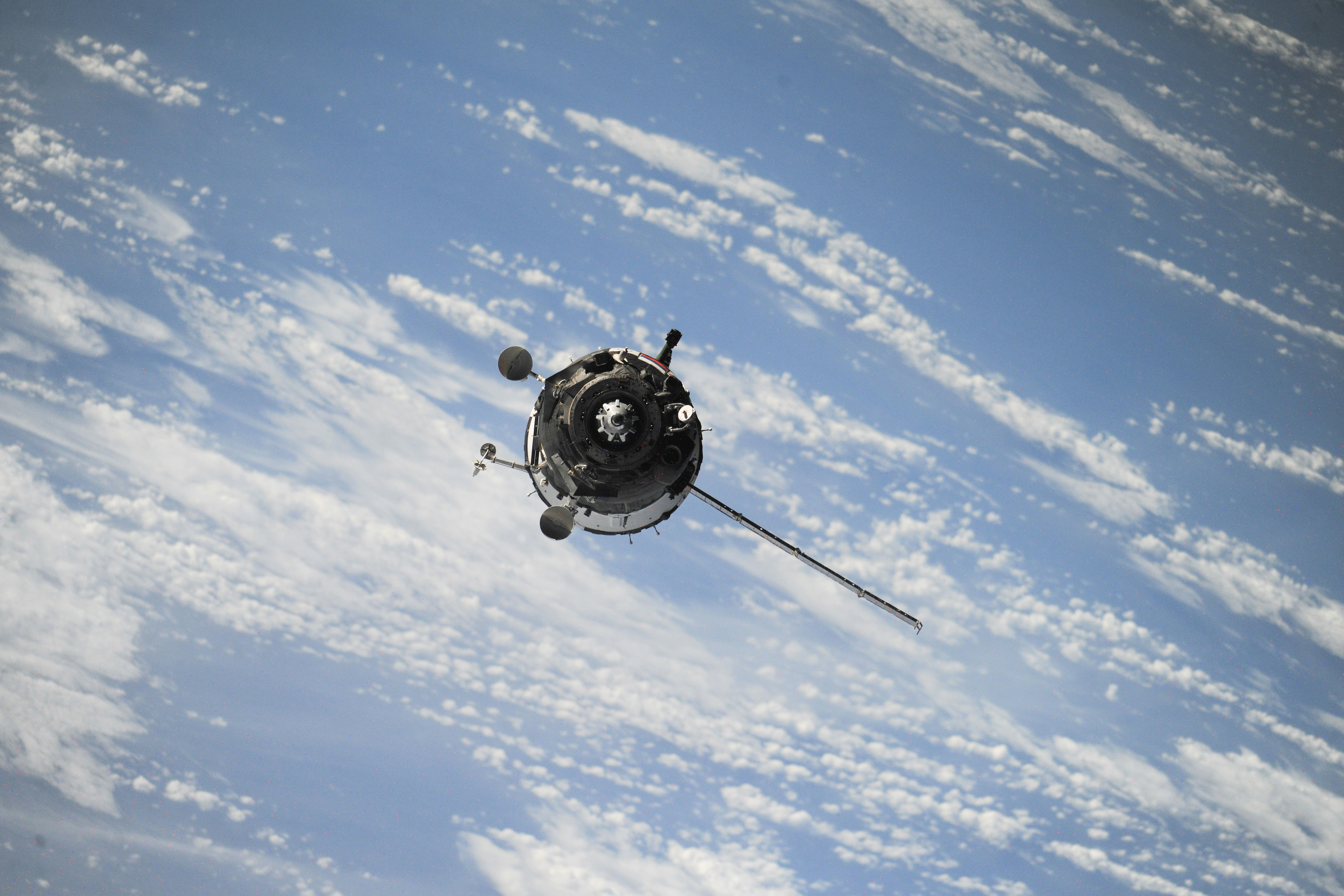
Every time a rocket is launched, tons of valuable materials are lost, and huge amounts of greenhouse gases and ozone-depleting chemicals are released into the atmosphere. Publishing December 1 in the Cell Press journal Chem Circularity, sustainability and space scientists discuss how the principles of reducing, reusing, and recycling could be applied to satellites and spacecraft—from design and manufacturing to in-orbit repair and end-of-life repurposing.
“As space activity accelerates, from mega-constellations of satellites to future lunar and Mars missions, we must make sure exploration doesn’t repeat the mistakes made on Earth,” says senior author and chemical engineer Jin Xuan of the University of Surrey. “A truly sustainable space future starts with technologies, materials and systems working together.”
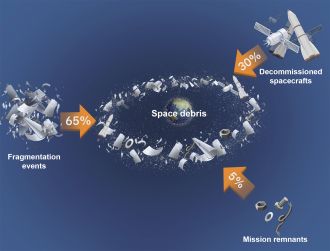
On top of the environmental impact of launching spacecraft, even more materials are lost when spacecraft and satellites are decommissioned, since they are rarely recycled or repurposed. Instead, most satellites are moved to “graveyard orbits” or end up as orbital debris that could interfere with satellite function.
These practices are unsustainable, the authors say, especially with the recent acceleration in private space launches. They argue that a shift toward a circular space economy—where materials and systems are designed for reuse, repair, and recycling—is needed to guarantee the long-term sustainability of the space sector and say that lessons from the personal electronics and automotive industries could offer valuable insights.
“Our motivation was to bring the conversation about circularity into the space domain, where it’s long overdue,” says Xuan. “Circular economy thinking is transforming materials and manufacturing on Earth, but it’s rarely applied to satellites, rockets, or space habitats.”
Building a circular space economy starts with applying the 3 Rs—reduce, reuse, and recycle—the authors say. To reduce waste, the space sector should increase the durability and repairability of spacecraft and satellites, they say. And to reduce the number of launches needed, the authors say space stations should be repurposed as hubs for refueling and repairing spacecraft or manufacturing satellite components.
To enable spacecraft and space stations to be reused or recycled, the space sector should invest in soft-landing systems, such as parachutes and airbags, the authors say. They note, however, that because spacecraft and satellites often experience substantial wear-and-tear due to the harsh conditions in space, any components that might be reused would need to pass rigorous safety tests.
The authors also call for efforts to recover orbital debris—for example, by using nets or robotic arms—so that their materials can be recycled and to prevent collisions that would further contribute to orbital debris.
Data analysis and digital technologies, including AI systems, will be essential for developing more sustainable space practices, the authors say. For example, analyzing spacecraft-generated data could inform design practices and help minimize waste. Also, simulation models could reduce the need for costly and resource-intensive physical tests, and AI systems could prevent spacecraft and satellites from colliding with orbital debris.
Because creating a circular space economy would be a fundamental transition in how the space sector operates, the authors say that it will be necessary to consider the whole system at once, rather than focusing on individual components and processes.
“We need innovation at every level, from materials that can be reused or recycled in orbit and modular spacecraft that can be upgraded instead of discarded, to data systems that track how hardware ages in space,” says Xuan.
“But just as importantly, we need international collaboration and policy frameworks to encourage reuse and recovery beyond Earth. The next phase is about connecting chemistry, design, and governance to turn sustainability into the default model for space.”
Multimedia


Attachments
Note: Not all attachments are visible to the general public. Research URLs will go live after the embargo ends.


