 Sign In



Attachments
Note: Not all attachments are visible to the general public. Research URLs will go live after the embargo ends.

 Australia; WA
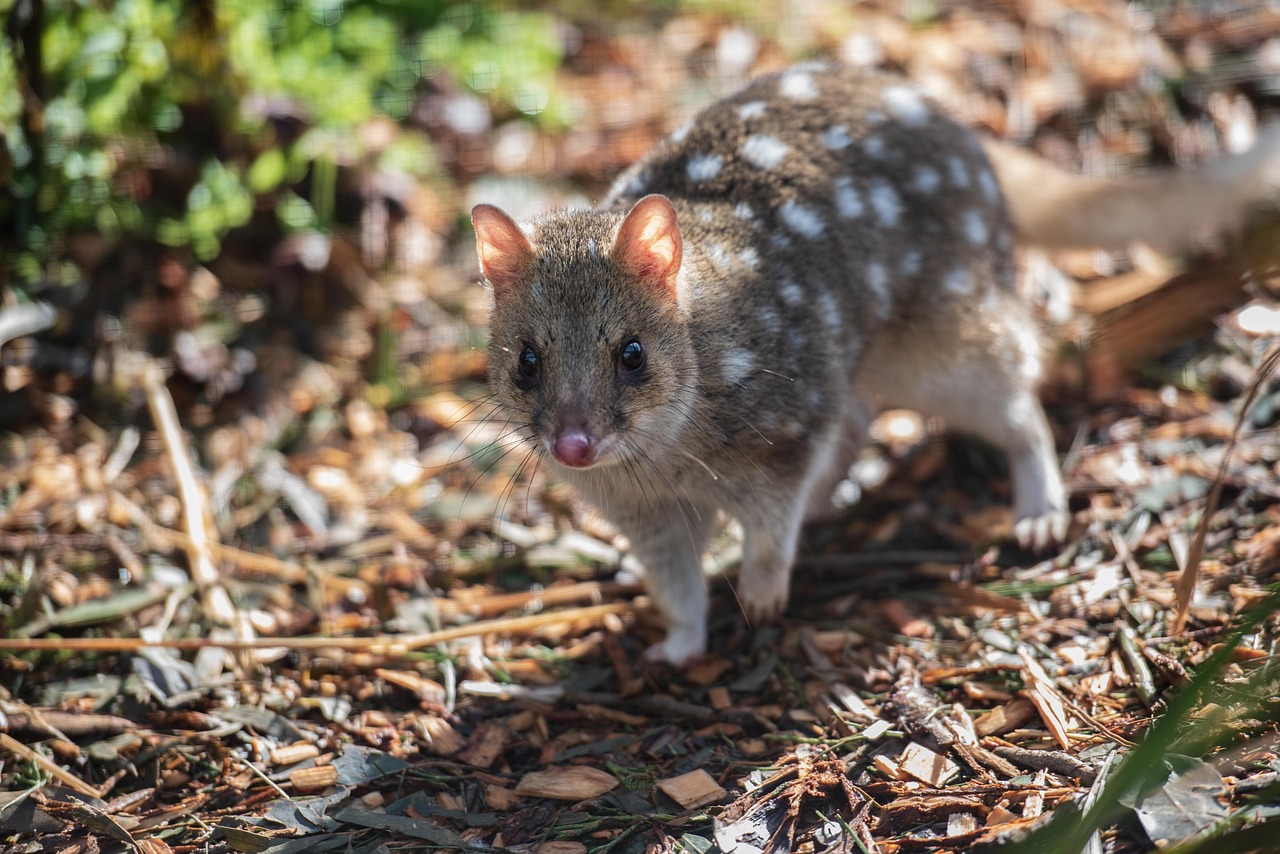
Australian scientists have drawn on the traditional knowledge of the Martu Elders, the Traditional Owners of the western desert region in Western Australia, to learn about the northern quoll's decline in the region. Northern quoll numbers are down across much of their range, with invasive predators, habitat destruction, altered fire regimes, and the introduction of cane toads (Rhinella marina) all playing a role. But the situation among Pilbara quolls - the driest place the marsupials call home - was not well documented. So, the researchers took part in on-country ninti, or knowledge sessions, with Martu Elders near the site where a small population of wiminyji - the local Aborignal name for northern quolls - was first detected by scientists in 2012. The elders recalled wiminyji as historically widespread across both sandy and rocky habitats, including places now well outside their known range, suggesting that big declines occurred within just two to three generations, which they attributed to the introduction of feral predators and altered fire regimes. The study highlights the need to include Indigenous knowledge in research, especially where gaps in the scientific record exist, the authors conclude.
Note: Not all attachments are visible to the general public. Research URLs will go live after the embargo ends.

