 Sign In



 Australia; SA
Media release
From:
Stuttering is a speech disorder that can trigger anxiety, social stigma and low confidence, but an Australian-first improv theatre program from the University of South Australia is helping kids with a stutter find their voice.
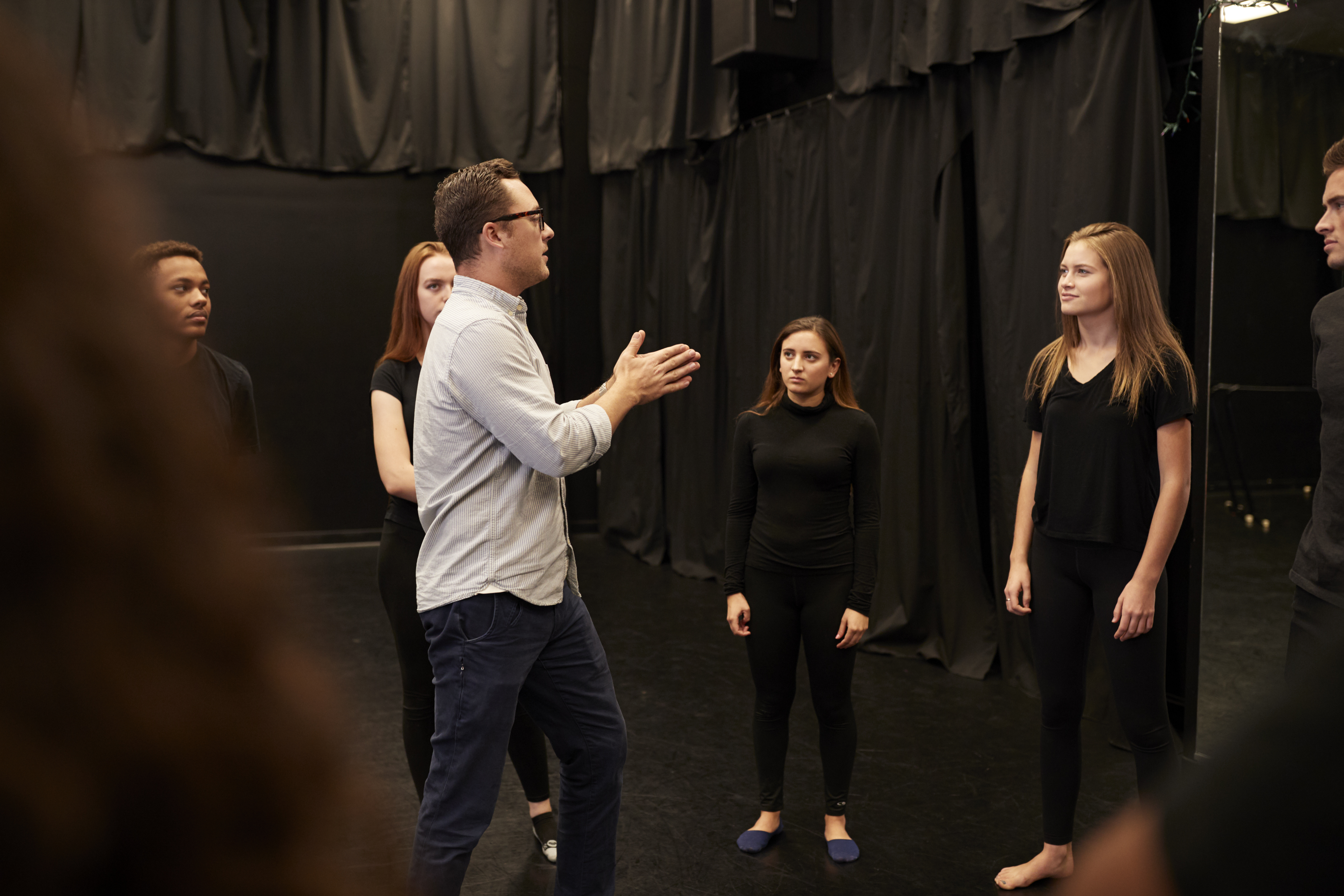
Co-designed with young people who stutter, the free six-week program aims to build children’s communicative confidence, engagement and social participation through interactive theatre games.
Funded by the Channel 7 Children’s Research Foundation, the program explores a novel therapeutic approach by combining acceptance and commitment therapy (ACT) with group work and improvisational theatre games.
This is the first Australian research to investigate improv as a therapy for stuttering. The UniSA research team – comprising a creative arts expert, a speech pathologist and an occupational therapist – is now seeking more children and teenagers (aged 7-15 years) to take part in the trial.
“Children and teenagers who stutter can suffer from anxiety, low levels of self-esteem, as well as bullying and isolation, with many preferring to talk less than be teased about how they speak,” Dr Raynes says.
“But stuttering doesn’t have to be a negative thing, and through this program we’re hoping to help kids and teens who stutter feel more included and get more enjoyment from speaking.
“At its core, this is about building connection, confidence, having fun, and learning to celebrate setbacks rather than fear them.
“We’re encouraging children and teenagers to accept things as they are, act with mindfulness in the moment, and make a commitment to positively engage. So, we’re promoting acceptance of each other, while challenging and extending kids beyond what they’d normally do.”
In South Australia, there are more than 10,500 children with a communication disability. Concerningly, children account for 60% of people with a communication disability who are unable to access all of the assistance they need.
Lead Investigator UniSA’s Dr Michelle Swift says children and teenagers who stutter are acutely underserviced across the health sector.
“There is a serious need for accessible, affordable and effective treatment options for children and teens who stutter,” Dr Swift says.
“In South Australia, publicly funded speech pathology for stuttering ceases at the age of four, which is a problem because stuttering onset might not occur until four or five years old, and in some cases in the primary years.
“Additionally, as stuttering is not primarily covered by the NDIS, children and teens without the means to access private speech or psychology services are left without treatment, which can have irreparable impacts on their educational and occupational attainment, relationships and mental health.
“Our program is different. As one of only a few treatment options for school-aged and teenage stuttering in South Australia, it is an affordable option that can be made available to more people.
“And as the program has been designed by kids for kids, we’re confident that the experience will be fun, positive and rewarding for all involved.”
Archer, 12, was involved in the co-design of the program and is currently participating in the first trial group. He says he is enjoying getting to know other kids, especially Oscar, 10, and Jason, 11.
Their favourite games are ‘I’m a …’ (an improv game where one child states what they are – either an object or a profession – and the next child reacts to that continuing the scene); ‘Build a Machine’ (a game where children create a physical and vocal collaborative ‘machine’, using repetitive sounds and movements); and ‘Knife and Fork’ (a non-talking game where participants use their bodies to create pairs of objects, like a knife and fork).
When asked if other kids who stutter should take part, all three agreed wholeheartedly.
“You get gift cards to play games!” 10-year-old Oscar says. “What could be better than that?”
The team is now recruiting three age groups of kids who can take part in the trial: 7 to 9-year-olds, 10 to 12-year-olds, and 13 to 15-year-olds.
Participants will complete some questionnaires and videos of themselves speaking before and after the workshops, and again three months later. The six-week program comprises two hour-long workshops which are free for the children to attend.
To register your child’s interest in the program, please visit: https://forms.office.com/r/gqUXH9DwqB
The University of South Australia and the University of Adelaide are joining forces to become Australia’s new major university – Adelaide University. Building on the strengths, legacies and resources of two leading universities, Adelaide University will deliver globally relevant research at scale, innovative, industry-informed teaching and an outstanding student experience. Adelaide University will open its doors in January 2026. Find out more on the Adelaide University website.
…………………………………………………………………………………………………………………………
Attachments
Note: Not all attachments are visible to the general public. Research URLs will go live after the embargo ends.


