 Sign In



 International
News release
From:
Genetic variants for chromosomal abnormalities linked to pregnancy loss
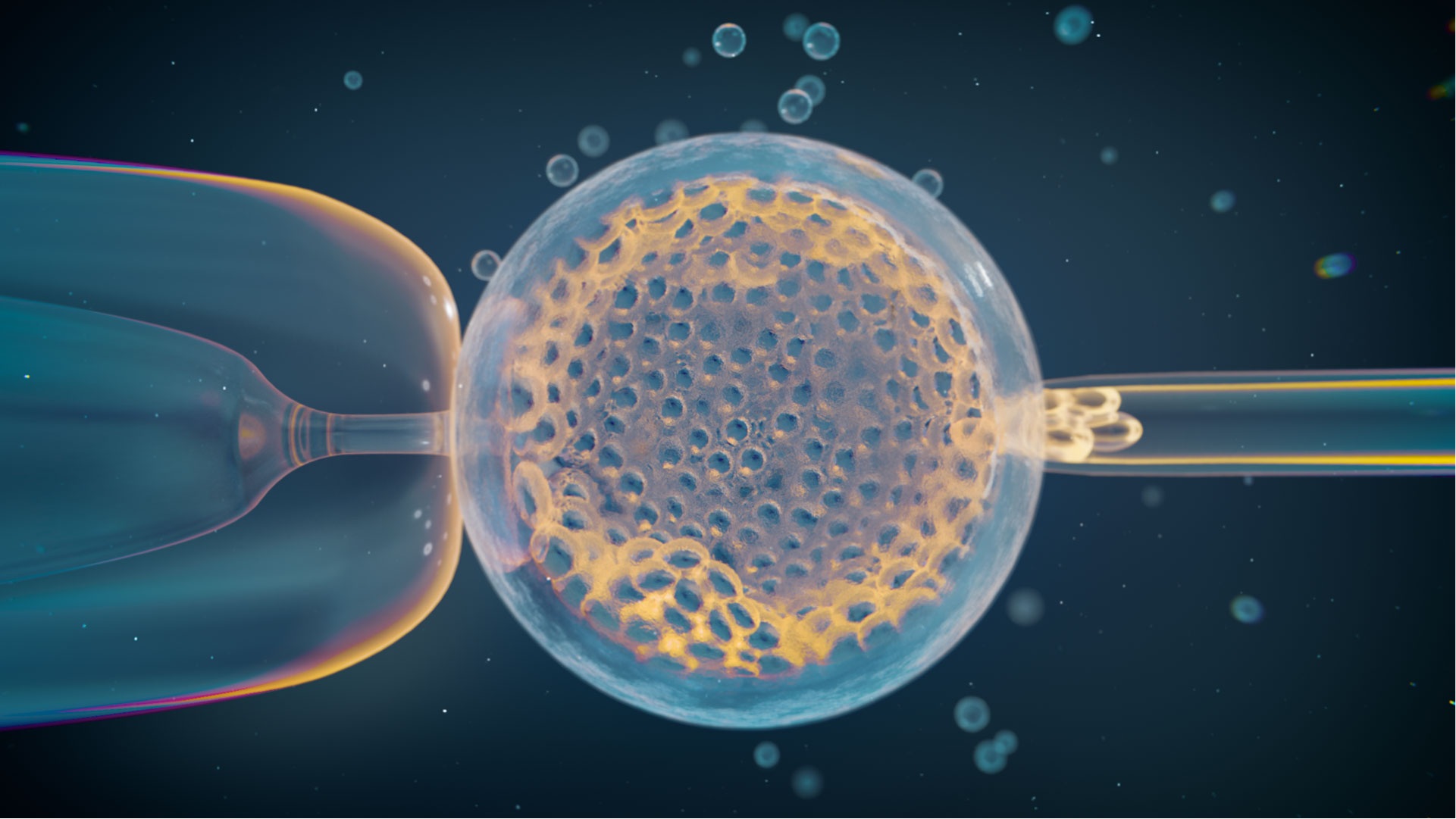
Common genetic variants affect the risk of abnormalities in chromosome number (a phenomenon known as aneuploidy), a major cause of pregnancy loss, according to a study published in Nature. The findings provide a more complete understanding of the genetic factors underlying risk of aneuploidy, with further research needed to assess potential applications for this knowledge.
Aneuploidy is the leading cause of human pregnancy loss. These chromosomal abnormalities often result from mis-segregation of chromosomes during female meiosis — the cell-division process that produces the egg. Previous research has suggested that errors in DNA exchange during sperm or egg cell formation, called crossover recombination, could confer risk for aneuploidy. However, common genetic variants associated with both meiotic-origin aneuploidy and recombination had yet to be identified in humans.
Rajiv McCoy and colleagues used clinical data obtained from pre-implantation genetic testing of in vitro-fertilized embryos to map meiotic crossover events at scale and isolate associated genetic variants. Analysis of 139,416 embryos and 22,850 sets of biological parents revealed over 3.8 million crossover recombination events; 92,485 aneuploid chromosomes were identified (within 41,480 embryos). The authors found that crossover counts were lower in aneuploid embryos than in typical embryos, validating the role of these events in driving proper chromosome segregation. They found that a variant of SMC1B (a gene encoding a protein that helps to hold chromosomes together during meiosis) was associated with both reduced crossover count and increased maternal meiotic aneuploidy. Further analysis also implicated variants of several other genes involved in the process of recombination, namely C14orf39, CCNB1IP1, and RNF212.
This work provides further insights into common genetic factors that influence the risk of aneuploidy and highlights the key role of recombination in the process of sexual reproduction.
Multimedia

Attachments
Note: Not all attachments are visible to the general public. Research URLs will go live after the embargo ends.


