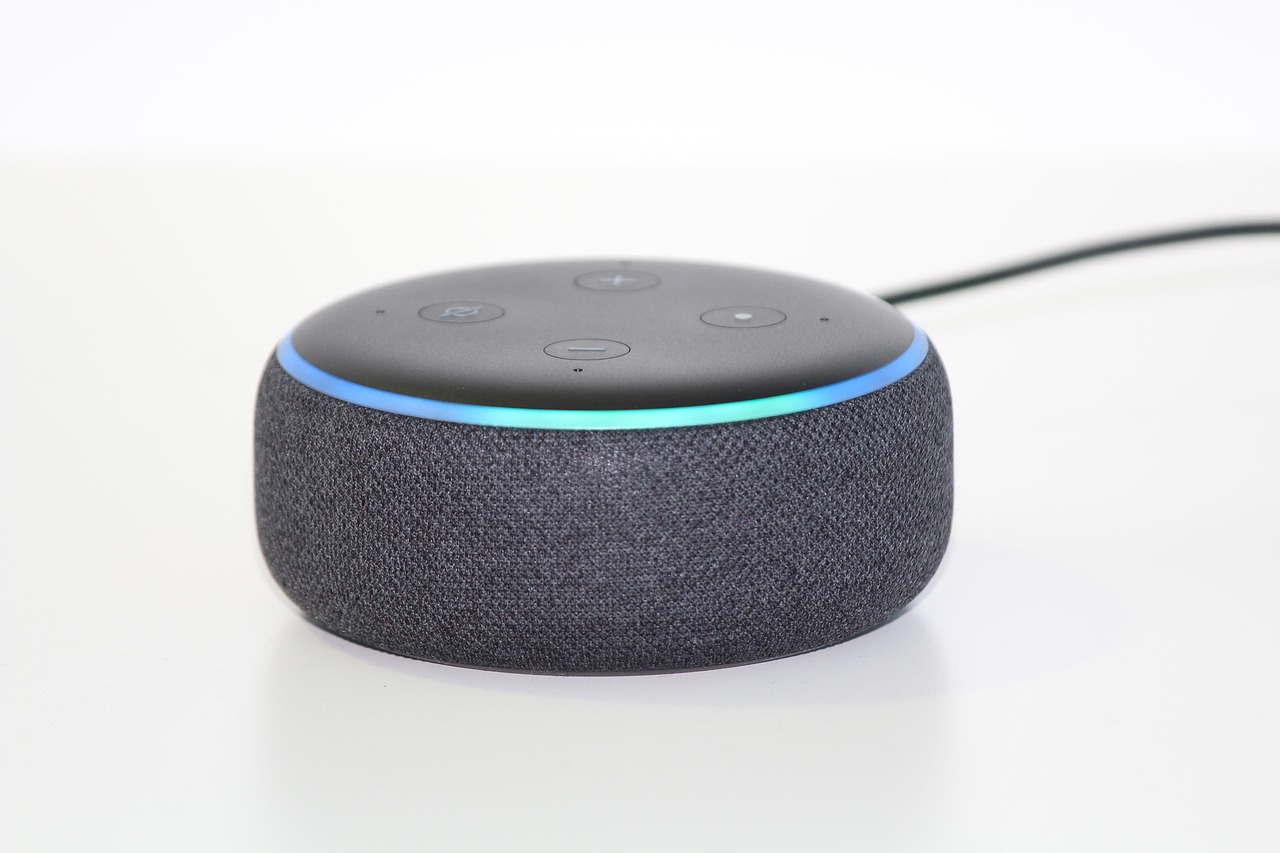
Alexa could help older people with type 2 diabetes stay happy and healthy

Publicly released:
International
CC-0. Story by Dr Joe Milton, Australian Science Media Centre

Brazilian scientists say their trial of Amazon's Alexa smart speaker to help older people manage type 2 diabetes found the chatty device led to improvements in mental and physical health as well as in diabetes control. The team recruited 103 older adults with type 2 diabetes, around half of whom were given a smart speaker specially programmed to enhance mental health and diabetes management, while the other half received normal care. After 12 weeks, participants filled in surveys about their physical and mental health, revealing that the speaker lessened mental distress, improved quality of life, helped people stick to diabetes self-care, and helped with blood sugar control, compared with the group who underwent normal care. The findings suggest specially programmed smart speaker assistants could be a relatively cheap and effective way of helping older people manage type 2 diabetes, the authors conclude.

News release

From: JAMA

Interactive Virtual Assistant for Health Promotion Among Older Adults With Type 2 Diabetes

About The Study: In this randomized clinical trial of older adults with diabetes, participants in the smart speaker group showed significant improvements in mental distress, quality of life, diabetes self-care, and glycemic control. These findings suggest that this easily implemented self-management intervention could enhance health outcomes in this population.

Attachments

Note: Not all attachments are visible to the general public. Research URLs will go live after the embargo ends.

Research JAMA, Web page The URL will go live after the embargo ends
Journal/
conference:
JAMA Network Open
Research:Paper
Organisation/s: Pontifical Catholic University of Rio Grande do Sul, Brazil
Funder: This work was supported by grant CNPq/MCTI/FNDCT 18/2021 from the Brazilian National Council for Scientific and Technological Development/Ministry of Science, Technology and Innovation/National Fund for Scientific and Technological Development. The study received financial support (finance code 001) from the Brazilian Federal Agency for Support and Evaluation of Graduate Education.
Media Contact/s
Contact details are only visible to registered journalists.