 Sign In



 Pacific; International
News release
From:
Climate warming is amplifying El Niño variability in eastern Pacific
Science
A millennium-long record from Galápagos corals suggests that El Niño is intensifying as the planet warms, with ENSO variability in the eastern Pacific roughly 37% higher than during the preindustrial era. The findings suggest that climate change is already amplifying one of the world’s most important sources of extreme weather, with potentially growing risks to ecosystems, infrastructure, and human societies. El Niño-Southern Oscillation (ENSO) is a leading source of year-to-year climate extremes and is linked to droughts, floods, wildfires, coral bleaching events, and impacts on agriculture and human health. The phenomenon arises from complex interactions between the tropical Pacific Ocean and atmosphere. Several unusually strong El Niño events have occurred in recent decades, with warming extending across much of the tropical Pacific. However, due to limited records and ENSO’s large natural variability, it has been difficult to determine whether these changes are driven by human-caused warming. This is confounded by the fact that current climate models tend to disagree about how ENSO will respond to continued warming. Longer, high-resolution paleoclimate records from the tropical Pacific are therefore crucial to establish a reliable baseline to constrain models and improve projections of future ENSO extremes.
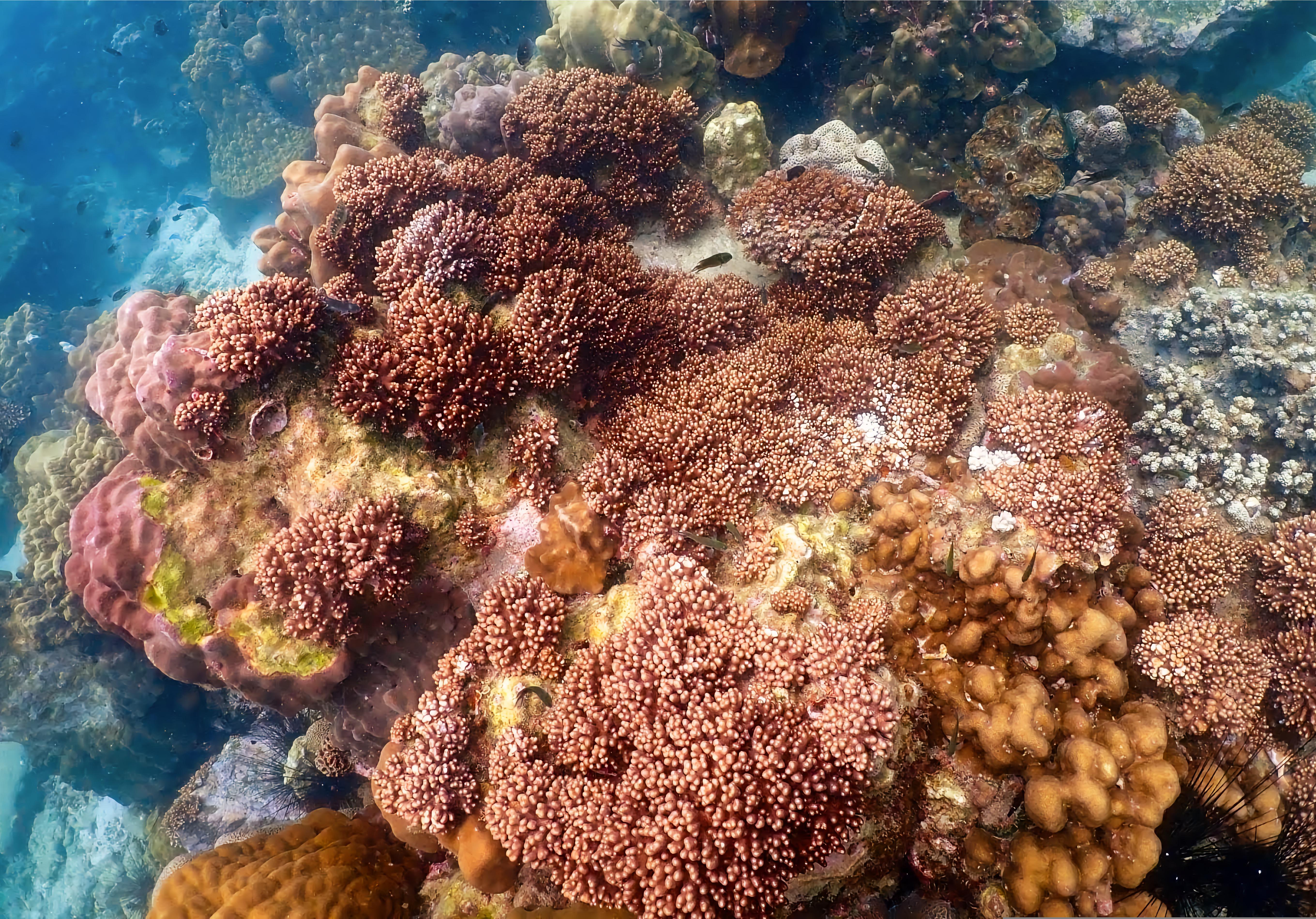
To address this, Julia Cole and colleagues reconstructed sea surface temperatures over the past 1,000 years using high-resolution geochemical measurements from modern and fossilized Galápagos coral, producing seasonally resolved records from the eastern equatorial Pacific. Because the Galápagos sits at the center of the eastern Pacific ENSO region, its coral chemistry provides a sensitive record of El Niño-related ocean temperature changes. Cole et al. then compared results with coral records from the central Pacific and other ENSO reconstructions. They tested whether the observed changes could be explained by natural variability by comparing them with preindustrial climate simulations from 12 climate models. The findings show that ENSO variability has risen sharply alongside global warming, with the strongest increase occurring over the past 40 years. Modern variability is 36.5% higher than during the preindustrial millennium, largely because of more frequent and stronger El Niño events. The increase exceeds the range produced by natural forcing and internal variability in climate-model simulations, indicating an unusually strong recent shift – and one that suggests that ENSO is intensifying under current climate warming.

