 Sign In



 Australia; NSW; VIC
News release
From:
Fat stores power the body’s virus defence
La Trobe University scientists have uncovered the critical role fatty cell structures play in our body’s early detection and defence against viruses, in world-first research which could revolutionise antiviral strategies.
Published in Nature Communications, the discovery could open the door to a new type of antiviral strategy which harnesses the body’s innate defence mechanisms rather than targeting individual viruses.
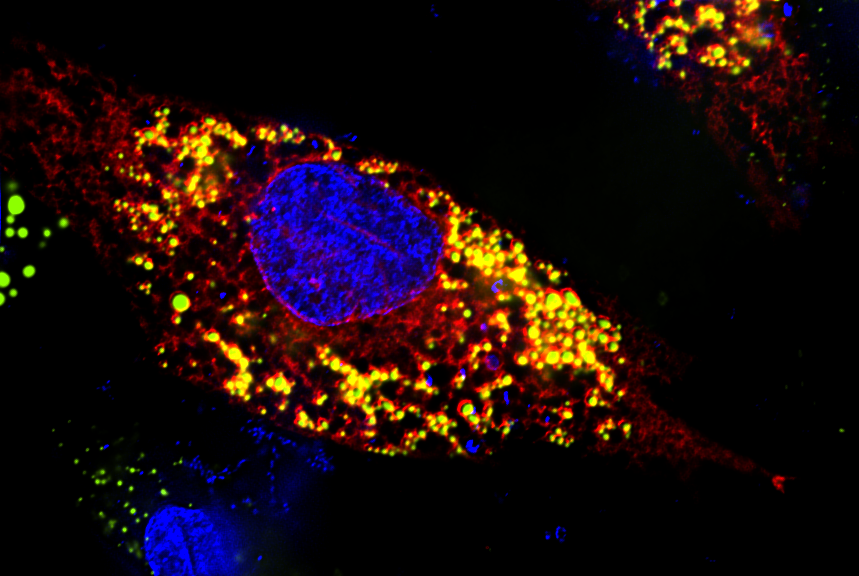
The study revealed the fatty structures – called “lipid droplets” – stop viruses spreading by changing their structure to include specific fatty acids, while signalling to the immune system to send key antiviral proteins.
By including two of these fatty acids into artificial lipid droplets, researchers were able to reduce viral replication and boost antiviral immune signals.
Lead researcher Professor Karla Helbig said lipid droplets were until now believed to be passive fat stores.
“This research shows they are vital, active control centres to defend us against viruses,” Professor Helbig said.
“Instead of targeting viruses themselves – which often leads to drug resistance – this research points to ways of enhancing the body’s own antiviral machinery.
“By manipulating lipid droplets or delivering specific antiviral fats, it may be possible to develop broad-spectrum antivirals that work against many different types of viruses.”
Co-Lead researcher Dr Ebony Monson said the discovery could help scientists prepare for the next pandemic.
“The COVID-19 pandemic caused millions of deaths worldwide and trillions of dollars in economic damage,” Dr Monson said.
“We largely rely on vaccines, but these take time to develop, only defend us against specific viruses and as viruses mutate quickly, they can easily evade the protection vaccines provide.
“This study could lead to the development of a new wave of antiviral drugs that target a common pathway instead of specific viruses, helping to boost immune response and lower disease burden.
“We hope our research will contribute to faster, more resilient responses to emerging viral threats and significantly improve global pandemic preparedness.”
This research was done in collaboration with scientists from the University of Sydney, RMIT and The University of Melbourne’s Bio21 institute.
Attachments
Note: Not all attachments are visible to the general public. Research URLs will go live after the embargo ends.


