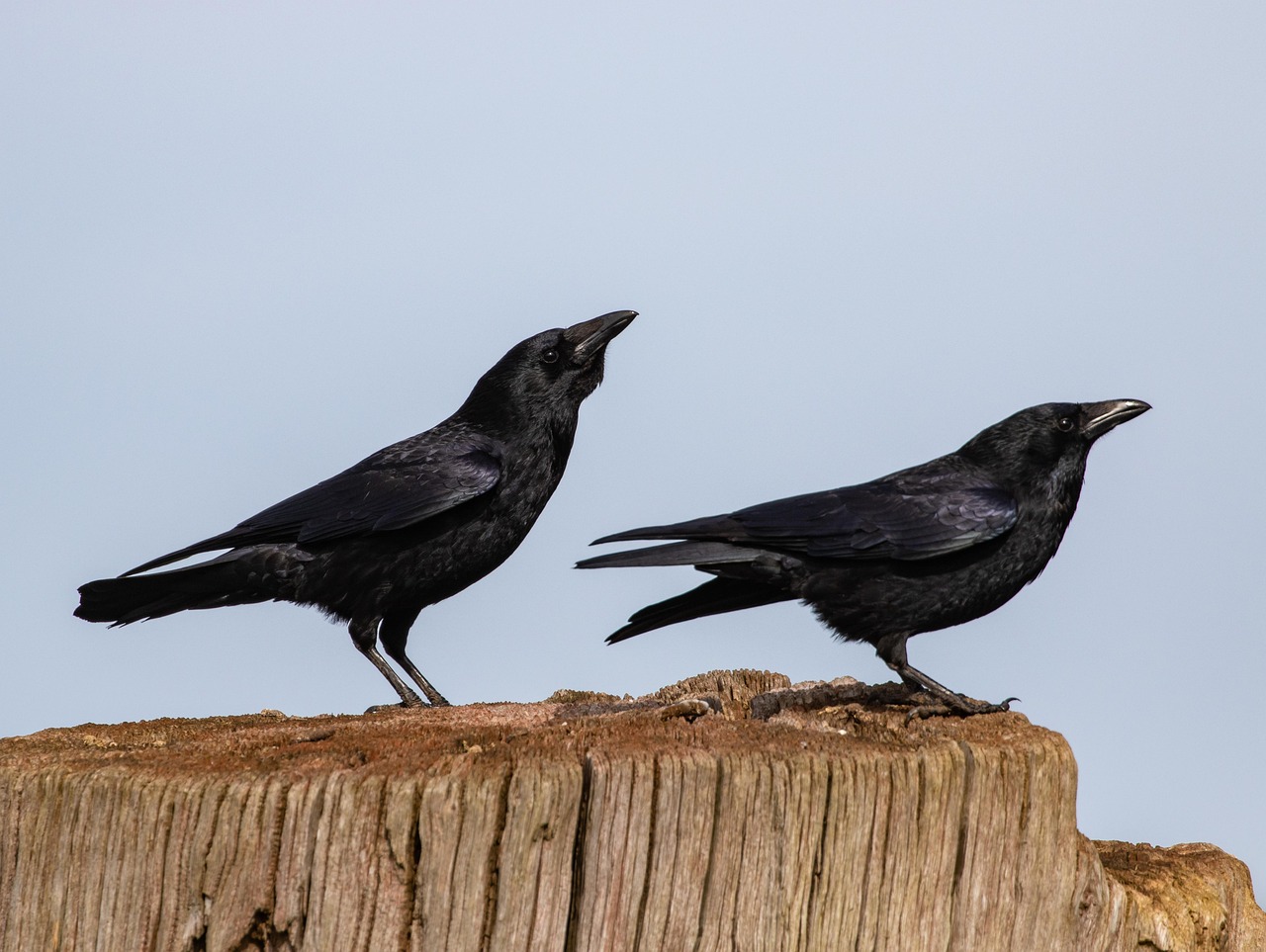
Farms that use more pesticides are home to fewer birds

Publicly released:
International
CC-0. Story by Dr Joe Milton, Australian Science Media Centre

French researchers compared pesticide purchases by French farms with records of bird numbers for 64 different species, and found 80% of the bird species were less abundant where pesticide purchases were higher. The results suggest pesticides are harming birds, both those that specialise in living on farms and other species who are more occasssional visitors, the scientists say. They add that future research should investigate the toxic impacts of pesticides on birds more thoroughly to determine how these chemicals are disrupting their food webs, and what the long term effects on bird populations could be. For now, minimising pesticide use is the best way to protect wildlife, they conclude.

News release

From: The Royal Society

Common birds have higher abundances in croplands with lower pesticide purchases

Understanding how pesticides affect biodiversity remains challenging due to the lack of precise data on their use. Using a newly released database in France, the authors explored the links between pesticide purchases and bird abundance. They tested whether local pesticide contamination levels were associated with variation in bird abundance, independently of other aspects of agricultural intensification. They found that over 80 % of the 64 bird species studied were less abundant where pesticide purchases were higher. These results reveal widespread negative impacts of pesticides not only on farmland specialists but also on other common birds regularly using croplands to feed or breed.

Attachments

Note: Not all attachments are visible to the general public. Research URLs will go live after the embargo ends.

Research The Royal Society, Web page The URL will go live at some point after the embargo ends
Journal/
conference:
Proceedings of the Royal Society B
Research:Paper
Organisation/s: Muséum National d'Histoire Naturelle, France
Funder: This project was funded and supported by ANSES (Agence nationale de sécurité sanitaire de l’alimentation, de l’environnement et du travail, grant agreement 2019-CRB-72903_PV19) through the tax on sales of plant protection products. The proceeds of this tax are assigned to ANSES to finance the establishment of the system for monitoring the adverse effects of plant protection products, called ‘phytopharmacovigilance’ (PPV), established by the French Act on the Future of Agriculture of 13 October 2014. Milena Cairo received support from ANR (project VITIBIRD ANR-20-CE34-0008) whileo rwking on this project
Media Contact/s
Contact details are only visible to registered journalists.