 Sign In



 Australia; NSW; QLD
News release
From:
‘Extinct’ Queensland plant rediscovered after 58 years
A plant species presumed extinct in the wild has been rediscovered in northern Queensland—thanks to a sharp-eyed observer, a smartphone camera, and the citizen science platform iNaturalist.
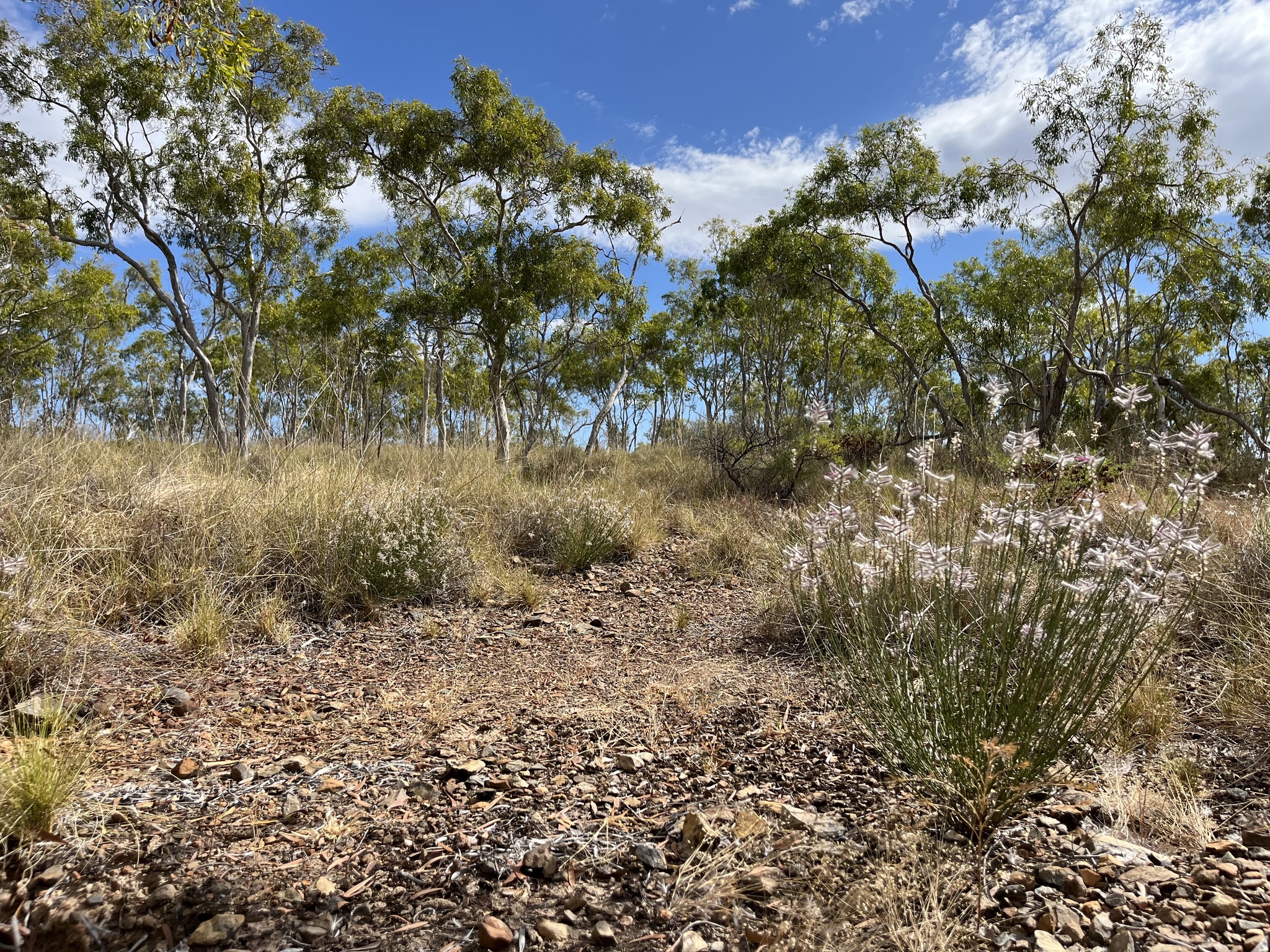
Researchers report the rediscovery of Ptilotus senarius (Amaranthaceae), a small, slender shrub that hadn’t been recorded since 1967 and was presumed extinct.
In June 2025, horticulturalist and bird bander Aaron Bean uploaded photos of an unusual plant to iNaturalist while working on private property in the Gilbert River region of Queensland.
The identification was then confirmed from a new specimen collected from the property.
The authors say the rediscovery highlights the growing power of iNaturalist for conservation and biodiversity science—particularly its ability to capture observations from hard-to-reach places, publish them instantly, and connect them with expert identifiers worldwide.
“Rediscoveries offer that opportunity to conduct follow-up, targeted surveys and consistent long-term monitoring to give us a better understanding of exactly where and how these species are distributed across the landscape” says study lead author Thomas Mesaglio from the UNSW School of Biological, Earth & Environmental Sciences.
One of the world’s largest citizen science platforms, iNaturalist is now increasingly being used by scientists and conservationists to rediscover lost species and monitor the ranges of known species, among many uses.
The researchers want to see this invaluable database become an even more effective tool for research.
“iNaturalist especially has become an invaluable tool for recording biodiversity on private property, which can often be difficult to access by professional researchers,” says Mesaglio.

