Sign In



 Australia; NSW; QLD; WA
News release
From:
The Purple Tomato™ Receives Full Regulatory Approval in Australia
Food safety and cultivation approvals clear the way for Purple Bliss™ tomatoes to reach Australian consumers later in 2026
Melbourne, Australia and Davis, California – January 21, 2026 – All Aussie Farmers and Norfolk Healthy Produce today announced that The Purple Tomato™ has received all necessary regulatory approvals in Australia, paving the way for commercial availability of this innovative, health-focused produce under the Purple Bliss™ brand later in 2026.
The Purple Tomato™ has now cleared Australia's two key regulatory milestones. First, Food Standards Australia New Zealand (FSANZ), the government agency responsible for ensuring the safety of food sold in Australia, has confirmed that The Purple Tomato™ is safe to eat. This approval, now officially recorded in Australia's Food Standards Code, means The Purple Tomato™ can be sold as food throughout the country.
Second, the Gene Technology Regulator has issued a license for intentional release of The Purple Tomato™ into the environment. Australians can now grow The Purple Tomato™ without requiring specific approvals for each planting, as is true for conventional tomato varieties.
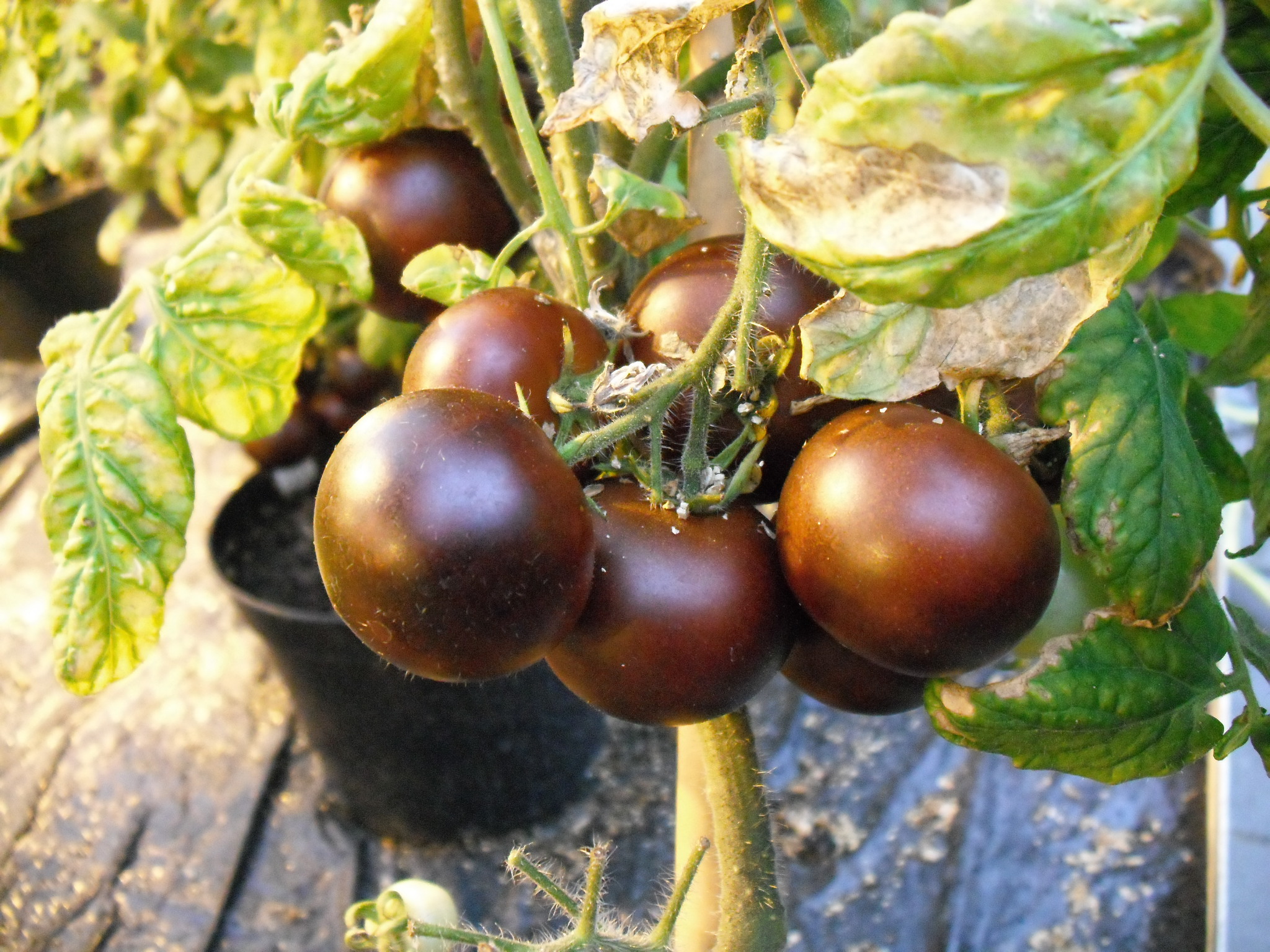
The Purple Tomato™ is enriched with anthocyanins, the same beneficial compounds that give blueberries and blackberries their deep color. These naturally occurring pigments are well-known for their antioxidant properties and are associated with diverse health benefits. The Purple Tomato™ technology was originally developed in the laboratory of Professor Cathie Martin at the John Innes Centre in the United Kingdom.
"This is a landmark day for Australian agriculture and for health-conscious consumers across the country," said Travis Murphy, Managing Director of All Aussie Farmers. "We are grateful to both the Office of the Gene Technology Regulator and Food Standards Australia New Zealand for their thorough, science-based review processes. Their teams were professional, rigorous, and genuinely engaged throughout the evaluation—exactly what you want to see from regulators making decisions about new food technologies. We are excited to bring Purple Bliss™ tomatoes to Australian families who are looking for delicious, nutritious options."
Nathan Pumplin, CEO of Norfolk Plant Sciences and Norfolk Healthy Produce, echoed this sentiment: "Australia's regulatory framework has proven to be both rigorous and fair. We appreciate the diligence and open communication from the scientists and reviewers at the OGTR and FSANZ who carefully evaluated our submissions. Their constructive engagement helped ensure a thorough review process. With these approvals now in place, we're thrilled that our partners at All Aussie Farmers can bring the Purple Bliss™ tomato to Australian consumers, delivering on our shared mission of making healthier produce more accessible."
All Aussie Farmers is the exclusive commercial partner for Norfolk Healthy Produce in Australia. Purple Bliss™ tomatoes are expected to be available in select Australian markets later in 2026.
Expert Reaction
These comments have been collated by the Science Media Centre to provide a variety of expert perspectives on this issue. Feel free to use these quotes in your stories. Views expressed are the personal opinions of the experts named. They do not represent the views of the SMC or any other organisation unless specifically stated.
Professor Natalina Zlatevska is Head of the School of Marketing at University of Technology Sydney (UTS)
"The introduction of purple tomatoes highlights how innovation in food challenges established expectations about what is ‘normal’ to eat. Novel foods such as this can trigger curiosity as much as caution, particularly when they look different from what people grew up with. Clear communication around health benefits and the broader ‘eating the rainbow’ narrative helps reduce perceived risk and builds trust by linking colour diversity to nutritional value. The endorsement by FSANZ is a good way to establish trust with consumers, particularly given that unfamiliar or novel foods often trigger ’neophilia', a natural hesitation towards what seems strange or atypical."

Phil Brewer is a Professor in Plant Biology from the La Trobe Institute of Sustainable Agriculture and Food and Department of Animal, Plant and Soil Sciences at La Trobe University
"Purple Bliss tomatoes are an exciting food innovation resulting from the transfer of two anthocyanin biosynthesis genes from snapdragon into tomato. This results in fruit with increased anthocyanin and enhanced health properties. Anthocyanins are natural occurring antioxidants present in many of our fruits and vegetables. They are safe to eat. In fact, getting more anthocyanins in our diet is healthy.
Anthocyanins are beneficial for a range of medical situations, such as protection against heart disease and improvement of sight. They are associated with anti-inflammatory and anticarcinogenic effects and could help prevent obesity and diabetes. These Purple Bliss tomatoes prolonged the life of cancer-susceptible mice in a research study.
The snapdragon genes produce the vibrant purple colour in snapdragon flowers. These genes are already present in tomatoes, and breeders have been working to increase them via traditional techniques. So, this innovation has accelerated that process.
This is a great example of modern breeding technologies that enable the development of nutrient-packed food. The regulators have carefully assessed the science and agree that Purple Bliss “is as safe as food from conventional tomato already in the Australian and New Zealand food supply”. Indeed, we need approval of many more of these food options to help to increase wellbeing in the community and potentially reduce the heavy cost burden on the health system."
Professor Daniel Tan is a Professor of Agronomy at The University of Sydney
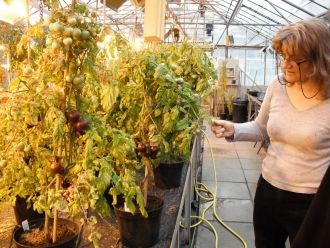
"I am pleased that the Purple Tomato will now be available to Australian farmers and consumers in 2026. I first met Professor Cathie Martin [developer of the tomato] when I was on sabbatical leave at the University of Oxford in 2009/2010. Prof Martin invited me to present a seminar on my research on developing high temperature-tolerant crops and to visit her laboratory at the John Innes Centre in 2010 [images available on Scimex].
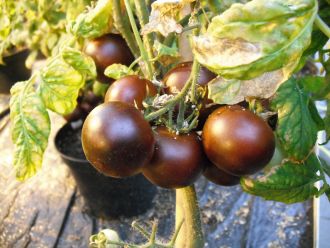
The Purple Tomato is different from the traditional purple heirloom tomatoes (e.g., Cherokee Purple), which are only purple on the outside skin. The Purple Tomato is purple throughout the flesh and skin as it has anthocyanins inserted from snapdragon genes (DEL + Ros1-N). The Purple Tomato has high levels of anthocyanins, which are associated with potential health benefits, including anti-inflammatory and antioxidant effects.
The first generation GM (Genetically Modified) crops were developed for insect and herbicide resistance (e.g., Bt cotton, Roundup Ready cotton and canola). The Purple Tomato is an example of “next-generation” GM foods, which are modified not just for protective genes, but for potential consumer health benefits. It also represents a shift toward genetic engineering to enhance nutritional profiles rather than only improving pest resistance."
The story of the Purple Tomato: from laboratory to the consumer is documented by Cathie here.
Dr Joseph Pegler is a Senior Lecturer at the University of Newcastle
"Chronic diseases, such as heart disease, some cancers, and age-related diseases, are influenced by lifestyle choices, including (but not limited to) poor diet. Plant compounds found in fruits and vegetables, including natural pigments found in berries and other plants, help protect health. Known for antioxidant properties, anthocyanins are naturally occurring plant pigments that have been shown to provide protective effects against a range of human diseases. The red colour of tomato fruit reflects their high carotenoid content and absence of anthocyanins.
Research that commenced in the early 2000s has removed this nutritional limitation for Australian tomato lovers. Approved for release in January 2026, purple tomato is enriched in anthocyanins, thereby possessing the colour and beneficial compounds of popular fruits such as plums and blackberries. If you needed one, here is your excuse to whip up a bruschetta or Bloody Mary."
Dr Heather Bray is Chair of the Discipline of Science Communication at the University of Western Australia
"The announcement that a purple tomato has received regulatory approval for intentional, commercial release into the Australian environment and to be considered food in Australia sends a strong message to the Australian community that this product is safe to grow and eat, that is, it is as safe to grow and eat as conventional tomatoes.
Our thorough and transparent regulatory processes mean that consumers can access much of the information that they may need to make an informed choice - the risk assessment processes, the source of the new genetic material, the obligations of the people who hold a licence to grow the tomato, and information about labelling can all be found on the regulators' websites.
This information clearly states that the tomato would be labelled as GM when we start to see it in our supermarket shelves, but exemptions such as food served in cafes and restaurants apply to all GM foods.
Based on the images of the The Purple Tomato™ it looks very different to all of the tomatoes already available so I think consumers should feel confident that they will be free to choose whether to eat this tomato.
And of course, while safety is the most important concern when it comes to food, whether consumers find it tasty is the ultimate test for this new product."
Professor Rebecca Ford is a molecular plant pathologist at Griffith University and Dean of the Griffith Graduate Research School, Office of PVC (Sciences)
"The approval of the purple tomato should be cause for great celebration in Australia. Besides providing the major purple pigmentation to the fruit, the additional anthocyanin gene is a potential powerful antioxidant that provides not only health benefits to consumers but also to the plant itself through tolerance to abiotic stresses such as cold temperatures, drought, and resistance against pathogens like fungi that would otherwise reduce yield and quality."
Multimedia