 Sign In



 Australia; International; QLD; SA
News release
From:
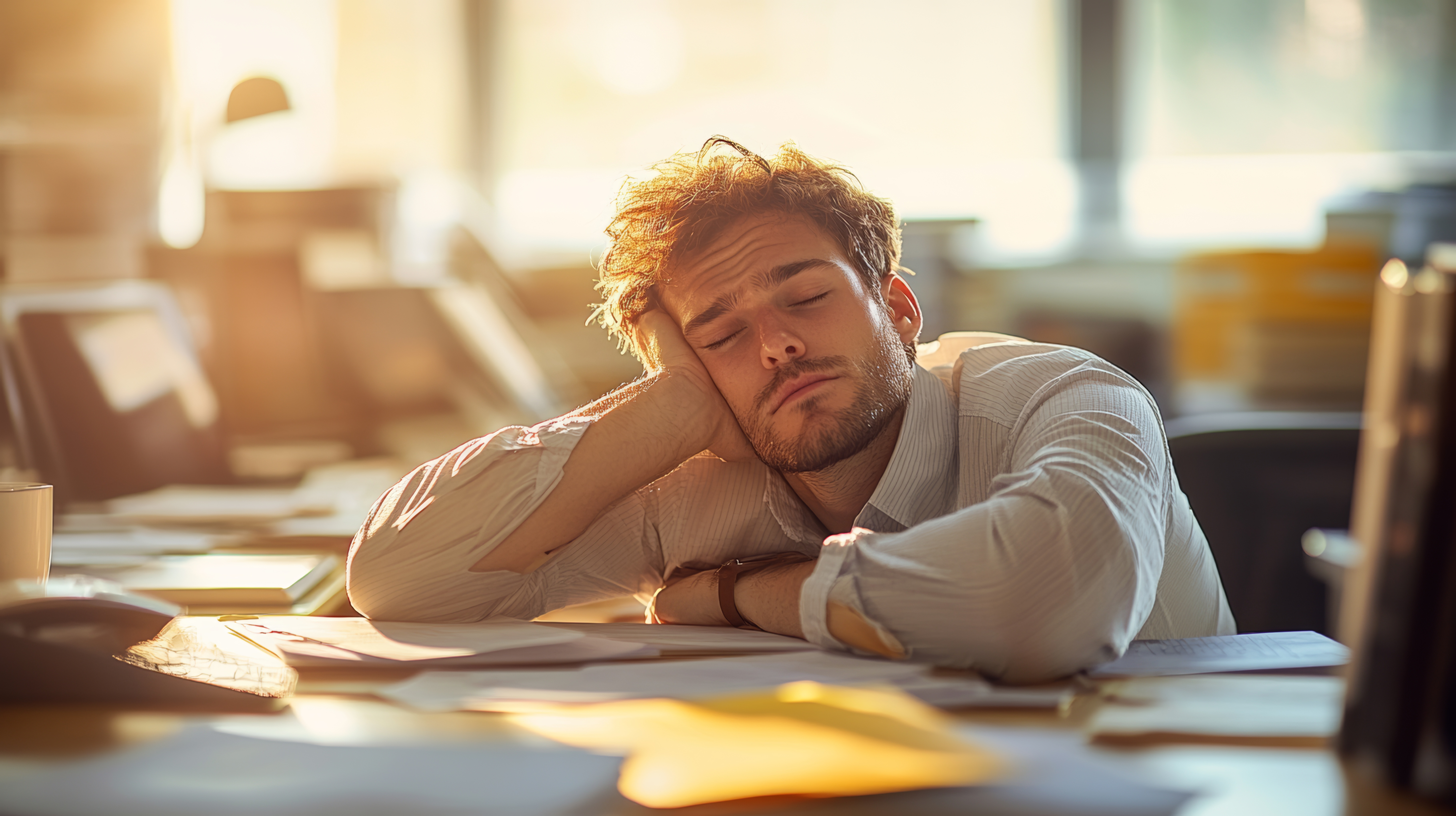
Disrupted sleep and anxiety may be an ongoing issue for many people after the pandemic, whether due to COVID-19 directly or to the stress and anxiety caused by the global pandemic, and may contribute to the fatigue commonly reported by people with Post-COVID-19 Syndrome (PCS, or ‘long COVID’).
Based on UK COVID Symptom Study Biobank data collected in the early years of the pandemic, experts from King’s College London and Flinders University in Australia have carried out one of the first large-scale longitudinal studies to assess the extent of residual or continuing sleep and related mental health problems, including people with PCS.
“The high levels of both poor sleep and fatigue established during lockdowns persisted after restrictions were lifted – independent of SARS-CoV-2 infection, or whether individuals reported having Post-COVID Syndrome,” says co-senior author Professor of Endocrinology Emma Duncan, Professor of Clinical Endocrinology at King’s College London and co-founder of the COVID Symptom Study Biobank.
“Our data fit with results from around the world – that the experience of the pandemic itself was associated with sleep disturbance globally.”
Flinders University co-senior author Professor Sutapa Mukherjee, Professor in Respiratory and Sleep Medicine at the Flinders Health and Medical Research Institute (FHMRI) Sleep Health research group says: “We knew from pre-pandemic clinical experience that once sleep disturbance is present, it is unlikely to improve without intervention.
“Given the high prevalence of both sleep disturbance and fatigue in some people after the COVID shutdowns, addressing sleep disturbance may be part of a patient’s long-term recovery and wellbeing.
“We recommend routine assessment of sleep for people presenting with persistent post-pandemic fatigue, including those with the persistent symptoms associated with PCS (Long COVID),” says Professor Mukherjee.
The authors had previously assessed sleep disturbance and fatigue following the 2021 UK lockdown, showing extremely high levels of poor sleep and fatigue across the whole community during the pandemic. In the current study, the same individuals were reassessed after lockdowns were lifted in 2022 – with questionnaire responses from 2390 people regarding their sleep, fatigue, depression and anxiety.
Adjusted for other factors, the new study published in Journal of Sleep Research found that high levels of poor sleep and fatigue persisted after lockdowns were lifted – regardless of whether respondents had contracted COVID-19.
Disordered sleep has a range of health consequences, including reduced immunity, increased inflammation and worse mental health such as mood, cognition and depression.
Another Flinders University co-author, research fellow Barbara Toson, adds: “Many people assume sleep returns to normal once major life disruptions end. However, our study found that sleep disturbance and fatigue often persisted after lockdown restrictions were lifted.
“Our findings suggest that sleep disturbance and fatigue can persist long after major pandemic disruptions have ended, reinforcing the need for greater attention to sleep health and post-pandemic recovery,” says Ms Toson, from the Flinders Health and Medical Research Institute Sleep Research Health group.
Researchers conclude that “Fatigue is the commonest symptom reported by individuals with PCS. If sleep disturbance is contributing to fatigue in an individual with PCS, then using proven effective therapeutic approaches may contribute meaningfully to their symptom recovery.”
The article, ‘Persistent sleep disturbance following pandemic lockdowns: Longitudinal’ (2026) by Barbara Toson, Nathan J Cheetham, Julia RB Brown, Carole H Sudre, Simon Proctor, Vicky Bowyer, Nicholas R Harvey, Desaline Joseph, COVID Symptom Study Biobank Consortium, Adam Birdseye, Claire J Steves, Sutapa Mukherjee and Emma L Duncan has been published in the Journal of Sleep Research (Wiley) DOI: 10.1111/jsr.70344.

