Sign In



 Australia; SA; WA
News release
From:
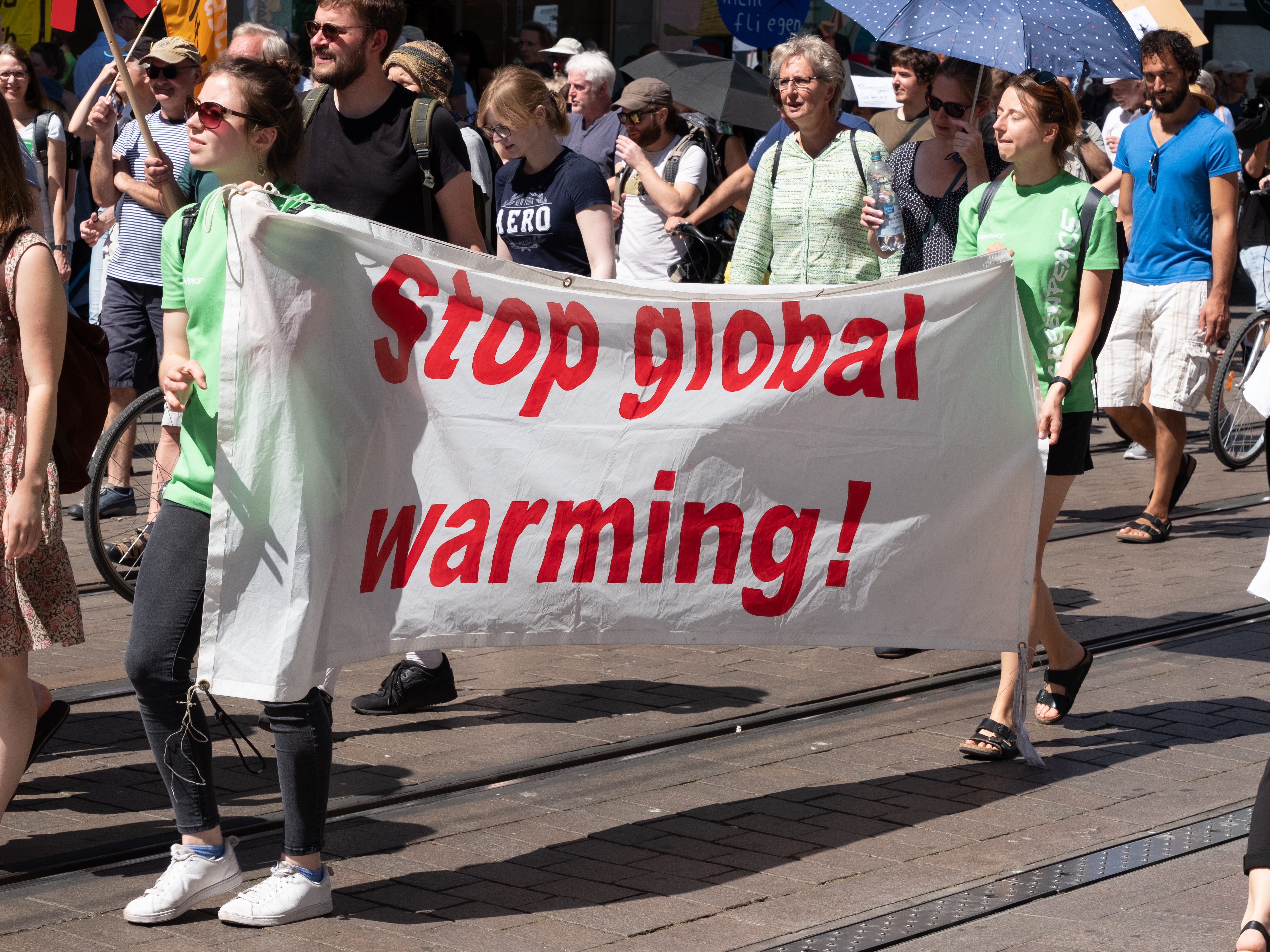
Around the world, hundreds of thousands of people engage in conventional protests – and sometimes more radical forms of action – in the face of environmental change, harms to animals and nature, and climate inaction.
A new study led by Flinders University suggests radical protests could become more common as civil outrage grows among activists and even regular citizens united by the common feeling of intrinsic moral obligation to protect the Earth and reduce further climate-related catastrophe.
Radical climate activism, even in the face of potential external economic consequences, has seen environmentalists throw paint at valuable works of art in Europe, break into abattoirs to ‘rescue’ animals, and stage anti-mining street demonstrations in Australia, to name a few examples.
“Seeing an environmental or animal-welfare cause as sacred or inherently worth protecting, rather than just useful to us, deepens people's sense of moral conviction,” says Flinders University postdoctoral fellow Dr Lucy Bird, the first author of an article in Environment and Behaviour.
“And that conviction drives people towards both everyday activism and more radical action, especially when they believe others share their values too.”
Thus people’s moral conviction strengthens when opposition to climate change is validated by other collective actions around the world.
“People show their support for environmental and animal causes through a variety of actions, from sharing social media posts and signing petitions to engaging in civil disobedience and direct action,” says Dr Bird, from the College of Human Sciences and Culture.
“It’s likely that such actions will continue or increase in the absence of concerted international efforts to cut emissions and address the harms done to non-human animals and the environment.”
The researchers say activists point out that millions of people are dying or losing their homes in monsoons, floods, wildfires and severe drought, which are linked to climate change.
Flinders University social and political psychologist Professor Emma Thomas says forming a group perspective depends on a wide range of factors.
“People need to be able to protest and express their sense of moral justice without resorting to violent extremism,” says Professor Thomas, deputy director of the Jeff Bleich Centre for Democracy and Disruptive Technologies at Flinders University.
Behaviour associated with collective action based on a common narrative depends on an individual’s sense of social justice and identity.
“We need to understand people’s commitment to a cause or moral commitment and what turns that into radical action.”
The study evaluated responses from more than 580 Australian adults to circumstances surrounding a controversial Queensland mining operation, and separately people’s responses to an animal welfare situation.
The article, ‘Intrinsic value framing and consensus increase commitment to radical action to protect the environment’ (2026) by Lucy H Bird, Mariette Berndsen, Silas Ellery, Alison J Clark and Emma F Thomas appears in the journal Environment and Behaviour (DOI: 10.1177/00139165261442028).
Multimedia