 Sign In



 Australia; WA
News release
From:
Climate change could cause more than 500,000 malaria deaths in Africa by 2050
- Latest research from The Kids Research Institute Australia and Curtin University predicts climate change could lead to more than 100 million additional malaria cases and 500,000 additional deaths in Africa by 2050, including substantial impacts on children.
- Modelling suggests disruptions caused by extreme weather events could account for 79 per cent of additional malaria cases and 93 per cent of additional deaths expected across the continent.
- Findings based off world-first modelling that analysed 25 years of data on climate, malaria burden, control interventions, socioeconomic indicators, and extreme weather patterns across Africa.
New research published today in Nature warns climate change could substantially increase malaria burden in Africa over the coming decades.
The study projects that a middle-of-the-road climate scenario could trigger more than 500,000 additional malaria deaths and over 100 million additional cases by 2050, including substantial impacts on children, predominantly due to damage and disruption caused by extreme weather events that undermine disease control efforts.
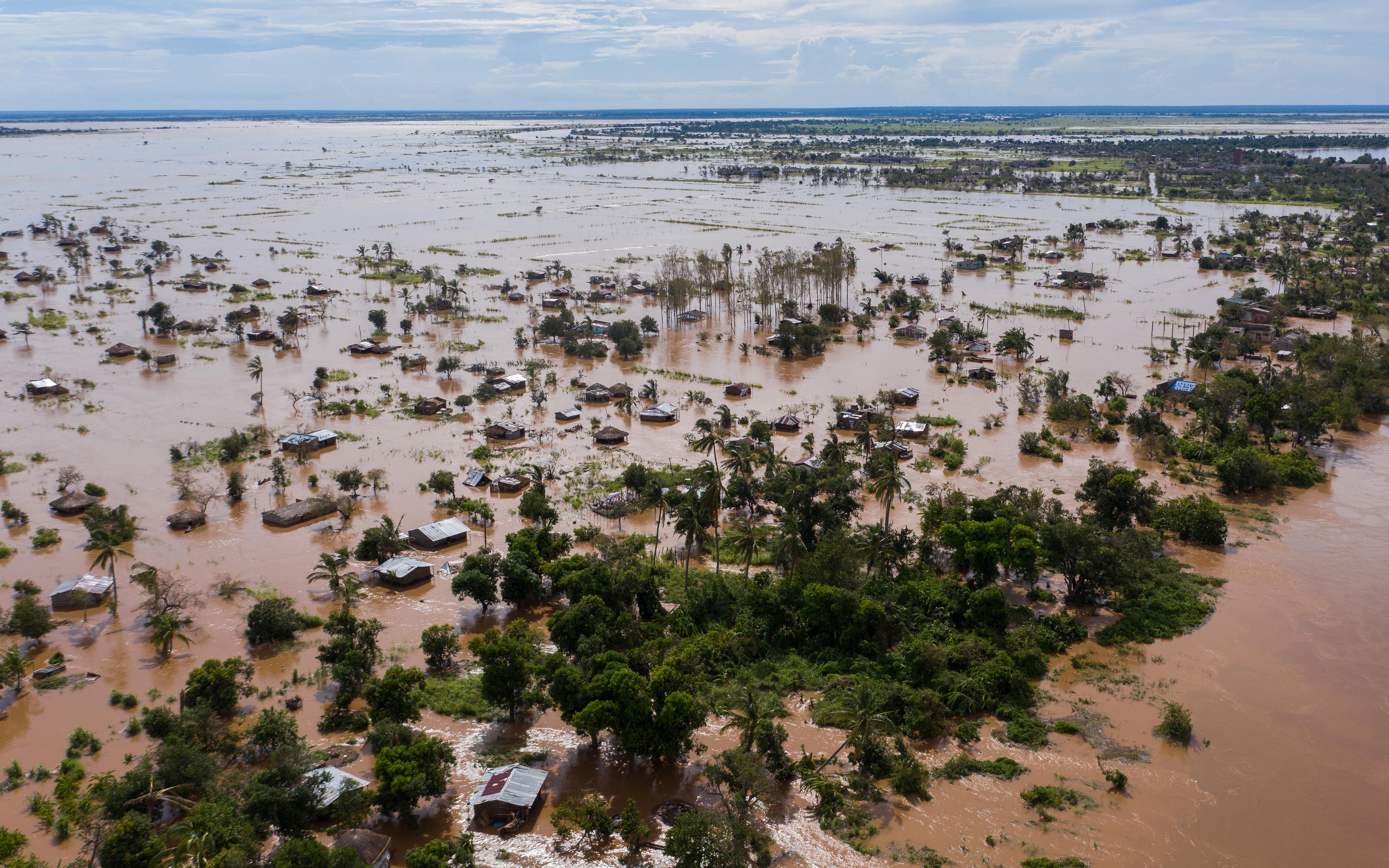
The study, led by researchers from The Kids Research Institute Australia and Curtin University, found that, if unmitigated, the disruptive impacts of more frequent and severe floods and cyclones may account for 79 per cent and 93 per cent of climate-driven increases in malaria cases and deaths, respectively, over the next 25 years — far outweighing the better-studied effects of gradual changes in temperature and rainfall on mosquito and parasite ecology.
In this world-first modelling study, researchers analysed 25 years of data on climate, malaria burden, control interventions, socioeconomic indicators, and extreme weather patterns across Africa. Using a statistical modelling framework linked to climate projections, they were able to quantify both the ecological effects of climate change and the disruptive impacts of increasingly frequent and severe extreme weather.
While rising temperatures and changing rainfall patterns do influence malaria transmission suitability, the study reveals projected changes in these ecological effects are relatively modest at the continental scale by the mid 2050s.
Across much of Africa, malaria transmission is already ecologically possible, but the current burden is kept far lower than it would otherwise be by housing improvements, mosquito control, and access to effective treatment.
This study surmises the largest projected increases in malaria burden will not arise from small changes in suitability, but when floods and cyclones damage homes, ruin bednets, and interrupt access to timely diagnosis and treatment. If unmitigated, such disruptions could persist for months or even years after an extreme weather event, leading to increases in malaria burden.
Lead author, Associate Professor Tasmin Symons – who is a member of the Malaria Atlas Project (MAP), a research group based at The Kids Research Institute Australia and Curtin University – said the findings challenge prevailing assumptions about how climate change threatens malaria control.
“Most previous studies have focused on how climate change affects mosquitoes and parasites in isolation,” Associate Professor Symons said.
“What we show here is that the greatest climate threat to malaria control in Africa comes from disruption, when extreme weather repeatedly damages the housing, health services, and interventions that suppress transmission.
“While changes in transmission ecology are real, they are comparatively small. When those changes are combined with repeated disruption to malaria control, the impacts become substantial, potentially resulting in more than 100 million additional cases and hundreds of thousands of additional deaths over the next 25 years.”
Associate Professor Symons said the results underscore the need for climate-resilient malaria strategies, including stronger emergency preparedness, faster recovery of health services after disasters, and malaria control tools that are less vulnerable to climate shocks.
“If global ambitions for accelerated malaria reduction and eventual eradication are to remain achievable, climate resilience must be built directly into malaria policy and health system planning,” she said.
The Kids Research Institute Australia Executive Director, Professor Jonathan Carapetis AM, said the study exemplified the Institute’s commitment to research that delivers practical evidence to inform policy and strengthen global health responses.
“By bringing together long-term data, advanced modelling and a deep understanding of real-world conditions, this research gives policymakers and global health leaders the insights they need to plan more effective, climate-resilient malaria strategies,” Professor Carapetis said.
“This is exactly the kind of research The Kids strives to deliver – research that goes beyond discovery to influence policy, guide action and make a tangible difference to lives. Addressing the growing threat of malaria in a changing climate will require this level of evidence, collaboration and foresight, particularly for the children and families most at risk.”
Curtin University Faculty of Health Sciences Pro Vice-Chancellor, Professor Carlo Marra, underscored the global importance of the study in shaping how climate-related health risks are understood and addressed.
“This world-first modelling shows the power of combining decades of data with advanced analytical methods to reveal risks that would otherwise remain unknown,” Professor Marra said.
“By bringing climate, health and socioeconomic evidence together at scale, this research sets a new benchmark for global health modelling and provides decision-makers with the foresight needed to plan more resilient malaria control strategies in the face of climate change.”
This research was supported by funding from the Gates Foundation and a National Health and Medical Research Council (NHMRC) Investigator Grant. it was conducted in collaboration with Boston Consulting Group (BCG).
The full study, published in Nature, can be accessed here: Projected impacts of climate change on malaria in Africa
Attachments
Note: Not all attachments are visible to the general public. Research URLs will go live after the embargo ends.


