Sign In



 Australia; WA
News release
From:
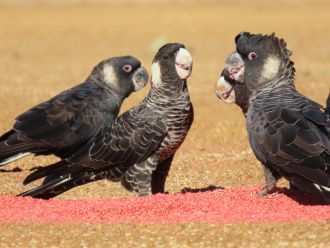
A new Murdoch University study has uncovered alarming levels of pesticide contamination in the food sources of endangered Carnaby’s cockatoos in the Wheatbelt — including concentrations well above regulatory limits found in seed spills near grain silos.
Carnaby’s Hindlimb Paralysis Syndrome (CHiPS) has affected black cockatoos in WA since around 2012, causing weakness or paralysis in the legs. Although pesticides have long been suspected as a contributing factor, little was known about how or where the birds might be exposed in the wild.
Supervised by Dr Jill Shephard and Professor Kris Warren, PhD candidate Zoe Kissane from Murdoch’s Harry Butler Institute, set out to determine whether Carnaby’s cockatoos were ingesting harmful chemicals in agricultural seed, trialling new methods of identifying pesticide exposure.
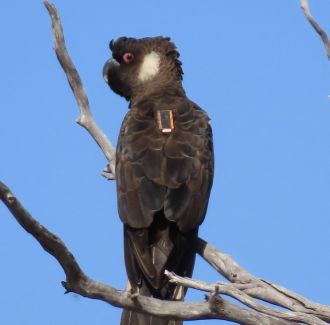
Over three breeding seasons, wild Carnaby’s cockatoos were fitted with GPS and ARGOS satellite tags across five Wheatbelt breeding sites.
Tagged birds were tracked and followed to identify where and what the birds were eating, and analysis of GPS data identified high-use forage locations.
Seed samples were collected at identified sites and were later tested to determine the presence and concentration of pesticide residues.
Senior Research Fellow Dr Jill Shephard who supervised the study said the new methods, using tracking data to link bird foraging locations to toxic seed, have identified pesticide exposure pathways that were previously unknown, and highlighted the importance of field-based methods rather than relying on laboratory studies to identify environmentally relevant pesticide exposure levels for wildlife.
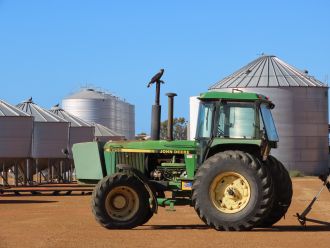
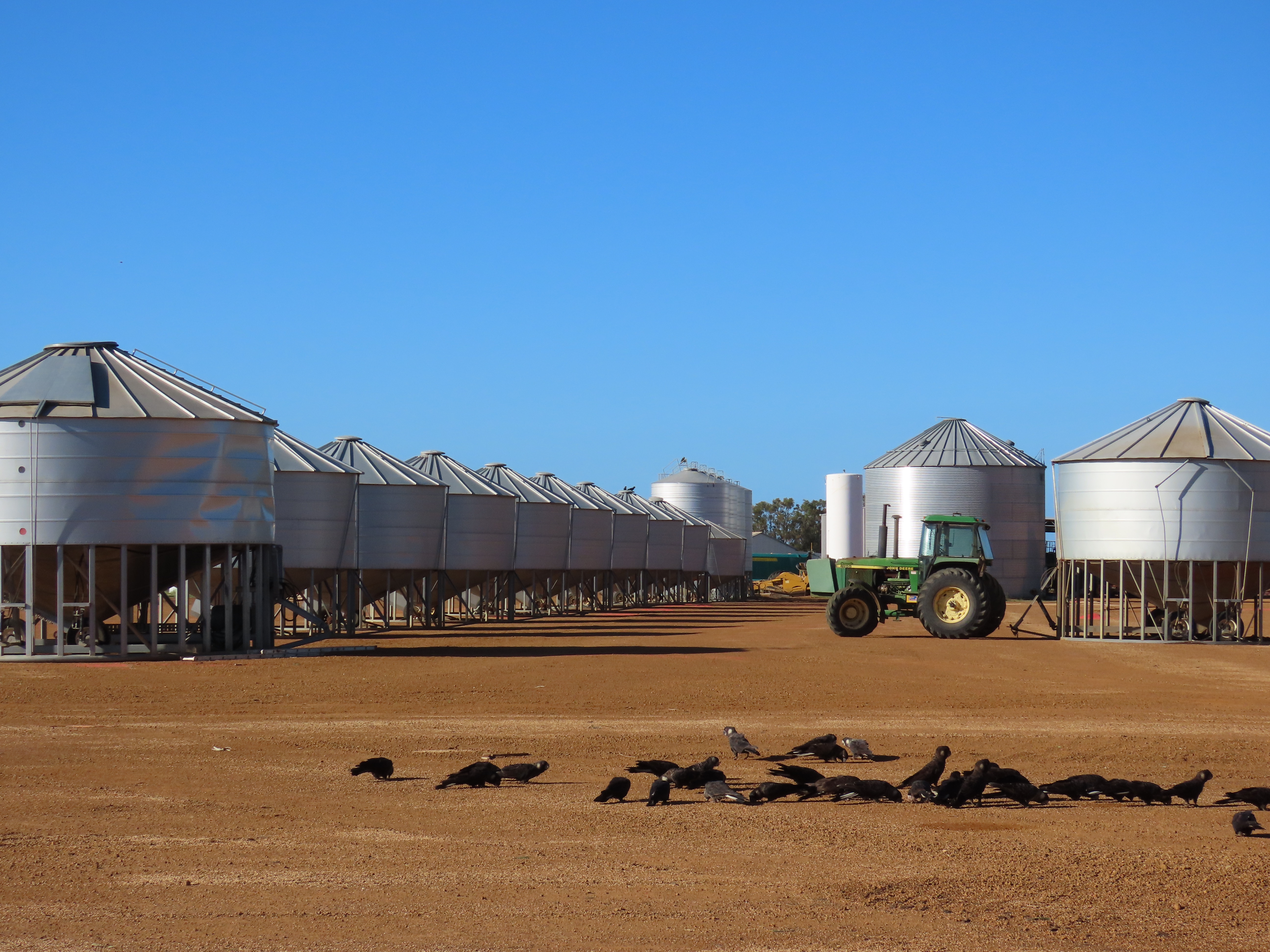
The study identified 26 different pesticides found at seed spill locations, including insecticides, herbicides and fungicides which Carnaby’s cockatoos were being exposed to, often when foraging opportunistically on spilled seed near grain silos.
Ms Kissane said one of the most surprising findings was the complexity of pesticide exposure.
“Around 80 per cent of seed samples contained one or more pesticide, and many samples contained mixtures of multiple pesticides rather than a single compound,” she said.
“Additionally, some pesticide concentrations were also well above the acceptable maximum residue levels set by regulatory authorities, in some cases hundreds of times above what is considered acceptable in food and animal feed.”
Pesticides such as imidacloprid, thiamethoxam, clothianidin, difenoconazole and metalaxyl were detected, which are known neurotoxins associated with both acute and chronic health effects in wildlife and people.
Ms Kissane said they were particularly concerned to find that birds frequently revisited and foraged at contaminated seed spill sites, highlighting the potential for repeated and chronic exposure over time.
She also said the findings may have provided an important missing piece in understanding CHiPS.
“These results point to specific pesticides that may be contributing to CHiPS, providing us with new insight,” she said.
Ms Kissane hoped the research encouraged greater recognition of the need to reassess how pesticides were regulated, monitored, and used in Australia.
“Many pesticides still in use in Australia are already restricted or banned in parts of Europe, the UK, and North America due to concerns about human and wildlife health, and our results suggest these risks may also be relevant in Australian agricultural landscapes,” she said.
“From an industry perspective, relatively simple changes, such as improving grain handling practices at silos to minimise seed spills and minimising wildlife access to these spills, could help reduce exposure risks for wildlife.”
“At the same time, I hope it encourages constructive conversations about alternative agricultural practices that reduce reliance on pesticides, lower risks to wildlife, and support healthy ecosystems.”
The paper, Hazard identification and ecological risk assessment of pesticide exposure in wildlife using GPS telemetry: Case study on endangered Carnaby’s Cockatoos, can be found in the Open Access journal Environmental Toxicology and Pharmacology.
Multimedia