 Sign In



 Australia; New Zealand; NSW; VIC; SA; WA
News release
From:
Bringing back the world’s underwater forests starts with communities
A global review of kelp conservation efforts has found the strongest restoration programmes are built on unlikely partnerships between scientists, fishers, Indigenous groups and coastal communities.
Published today in The Journal of Applied Phycology, the study brought together more than 100 researchers and practitioners from 35 regions with kelp forests, creating the first global comparison of how these vital marine ecosystems are being protected and restored.
Kelp forests occur along coastlines from the Arctic to the Antarctic, providing habitat for marine life, supporting fisheries, storing carbon and helping protect shorelines.
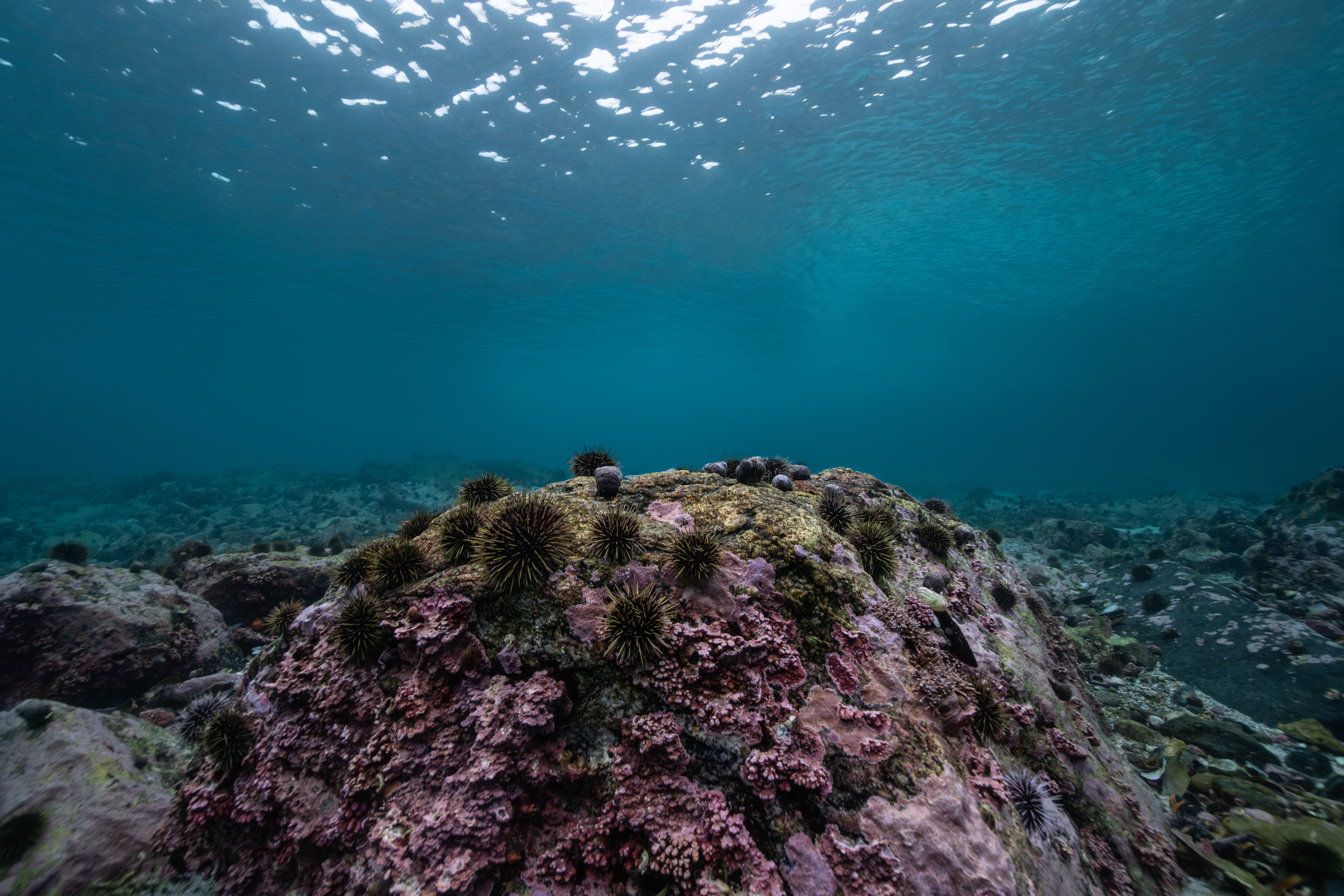
But around the world they are under growing pressure from ocean warming, marine heatwaves, pollution and exploding sea urchin populations.
Lead author Dr Aaron Eger from UNSW Sydney said the review found no single solution to kelp decline, but clear patterns emerged.
"The regions making the most progress are those where conservation is connected to the people who depend on healthy kelp forests," Dr Eger said.
"Whether it's Indigenous stewardship in Canada, fishing cooperatives in Mexico, large-scale restoration programmes in Japan and South Korea, or commercial divers removing sea urchins in Victoria, conservation works best when communities have a direct stake in the outcome."
The study found monitoring programmes were widespread, but active restoration was occurring in less than half of the regions examined. While many regions are documenting kelp decline, fewer are taking direct action to reverse it.
Dr Eger said the findings highlight a growing global movement to protect and restore underwater forests, but also a gap between knowledge and implementation.
"We know a lot about why kelp forests are declining," he said.
"The challenge now is turning that knowledge into action at the scale needed to make a difference."
The researchers hope the findings will help guide future investment and collaboration, allowing regions to learn from one another as they respond to one of the world's most widespread but often overlooked conservation challenges.

