 Sign In



 International
News release
From:
Brief, intensive exercise helps patients with panic disorder more than standard care
Brief intermittent intensive exercise found to be better than relaxation therapy in reducing severity and frequency of panic attacks
Summary: A key technique of cognitive behavioral therapy for panic disorder is interoceptive exposure, where patients learn to tolerate the physical effects of panic attacks through repeated simulated exposure. Now, scientists have shown in a randomized controlled trial that brief intermittent intensive exercise is more effective at reducing the severity of panic disorder than relaxation therapy.
Main text: Panic attacks are sudden bouts of intense fear without an obvious cause. An estimated 10% of people experience at least one panic attack in their lifetime. But between 2% and 3% of the population have such frequent and severe panic attacks that they meet the criteria for the debilitating condition ‘panic disorder’.
The current standard of care for panic disorder is cognitive behavioral therapy (CBT), with or without antidepressants. A technique of CBT with proven efficacy is ‘interoceptive exposure’, where therapists trigger common symptoms of panic attacks like chest pain, sweating, rapid respiration, and a racing heart in a safe, controlled environment. Its aim is to raise tolerance to these symptoms by teaching patients that they aren’t dangerous.
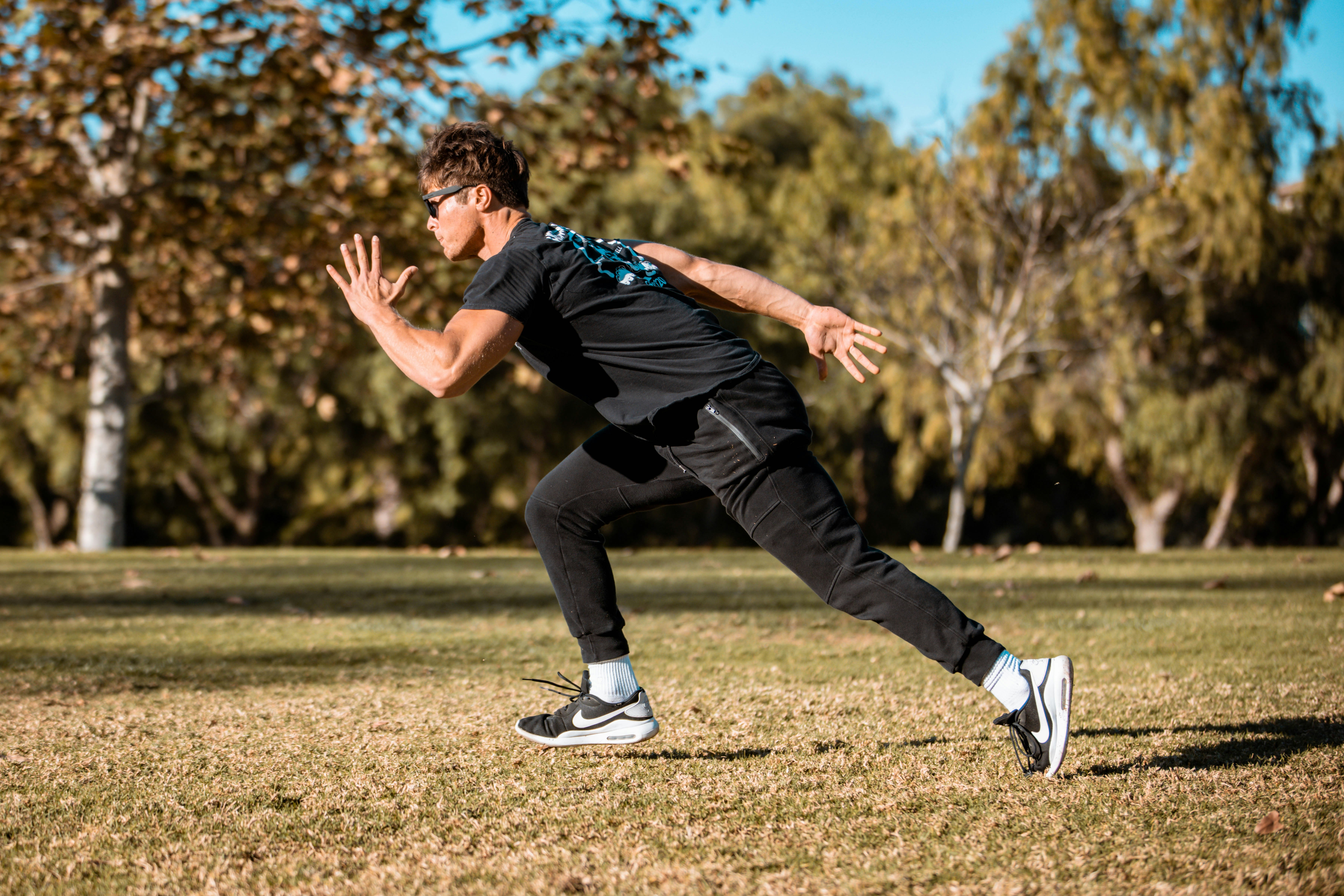
Typically, interoceptive exposure works through office-based exercises such as voluntary hyperventilation or spinning on a chair. But now, researchers have shown that a less artificial and more intense form of interoceptive exposure – brief intermittent intense exercise – is more effective. The results are published in Frontiers in Psychiatry.
“Here we show that a 12-week program of brief intense intermittent exercise can be used as an interoceptive exposure strategy to treat panic disorder patients,” said Dr Ricardo William Muotri, a postdoctoral fellow at the Anxiety Disorders Program of the University of São Paulo Medical School in Brazil.
Trial runs
In this randomized controlled trial, Muotri and colleagues compared the effect of brief, intense intermittent exercise with a form of relaxation therapy commonly used in CBT, in 102 adult women and men diagnosed with panic disorder over a period of 12 weeks.
The participants were divided across two parallel arms and did three sessions every week of their allocated exercise. No drugs were administered to either group throughout the trial.
Patients in the experimental arm began each session with a bout of muscle-stretching, followed by 15 minutes of walking and one to six 30-seconds-long bouts of high-intensity running alternating with 4.5-minutes of active recovery, and ending with additional 15 minutes of walking. Patients in the control arm did segmental muscle contraction exercises in the brachial, scapular, cervical, facial, dorsal, abdominal, and lower limb regions, followed by localized muscle relaxation. All patients wore biometric monitoring devices during the exercises.
The primary endpoint was any change over a period of 24 weeks in a patient’s score on the Panic and Agoraphobia Scale (PAS), which rates the severity of panic symptoms from answers to 13 questions in a questionnaire. Secondary endpoints were analogous changes in scores on questionnaires for anxiety and depression, as well as the self-reported frequency and severity of panic attacks. A psychiatrist, blinded to treatment allocation, assessed outcomes on the endpoints.
Working out
The average PAS score, as well as the scores for anxiety and depression, decreased over time in both arms, but more steeply in the brief intense intermittent exercise arm. Similarly, the frequency and severity of panic attacks decreased more in the brief intense intermittent exercise arm.
The authors concluded that brief, intense intermittent exercise is a more effective method for interoceptive exposure than relaxation therapy for the treatment of panic disorder, with positive effects that last for at least 24 weeks. Because patients reported enjoying this method treatment more than relaxation therapy, engagement and compliance with the treatment are likely to be high.
“Healthcare professionals can adopt brief intermittent intense exercise as a natural and low-cost interoceptive exposure strategy. It doesn’t need to take place in a clinical setting, so that exposure to the symptoms of a panic attack is brought closer to the patient's daily life. It could also be integrated into care models for anxiety and depression disorders,” summarized Muotri.
Attachments
Note: Not all attachments are visible to the general public. Research URLs will go live after the embargo ends.


