 Sign In



 Australia; NSW; VIC; QLD
News release
From:
Zoonotic disease leptospirosis threat increasing with climate change, storms and floods
The growing number of storms and floods associated with climate change is increasing the risk of a serious human infection – and Australia’s rural communities are underprepared.
That’s the stark warning from research led by the University of New England (UNE) in the Australian and New Zealand Journal of Public Health. The authors recommend concerted testing of the public for the zoonotic infection leptospirosis, greater vigilance in regions well beyond the tropical north, and further urgent research.
There is no human vaccine yet available for leptospirosis, a bacterial disease of emerging global public health concern linked to significant flooding and warm weather. Around the world, outbreaks are increasing in frequency and severity, and new subtypes of Leptospira bacteria are evolving.
Agricultural and horticultural workers, those working with animal carcasses, veterinarians and people who are involved with freshwater recreational activities are thought to be at greatest risk.
“Case numbers and outbreaks are increasing world-wide, including in Australia,” says lead author Associate Professor Jacqueline Epps, a rural GP from UNE’s School of Rural Medicine.
“Leptospirosis was previously relatively rare outside of northern Queensland – which has had some of the highest case numbers in the developed world – but outbreaks are now occurring elsewhere in Australia, linked to increased rainfall, storms, flooding and warmer temperatures.
“The bacteria found in the faeces and urine of carriers survive longer in the soil and mud in more humid and warm conditions. Floods are thought to wash the infectious pathogens long distances and to contaminate water sources.”
While tropical and subtropical climates have had the highest rates of leptospirosis – outbreaks have been documented in NT station hands and in banana, sugarcane and berry farm industries in Queensland and northern NSW – the bacteria can survive for many months in warm and humid environments.
“Many people underappreciate the risk and impact of the infection and there is a high likelihood that we have missed many human leptospirosis cases,” Dr Epps said. “No studies of its prevalence in humans have been conducted since 2011.”
Leptospirosis is a notifiable disease. Symptoms in humans resemble influenza and COVID-19, so many cases remain undiagnosed or misdiagnosed. Accurate early diagnosis prevents the worsening of symptoms, which can require intensive care for organ failure, meningitis and, in 10% of the most severe cases, result in death.
Report co-author Dr Alison Colvin, from UNE’s Animal Science Discipline in the School of Environmental and Rural Science, said leptospirosis poses an increasing threat to communities responsible for much of Australia’s agricultural production and current surveillance is insufficient.
“We need more comprehensive monitoring, greater public education and further research to better understand leptospirosis transmission and to develop targeted prevention strategies to protect livestock and the people who work in agricultural and horticultural industries,” Dr Colvin said.
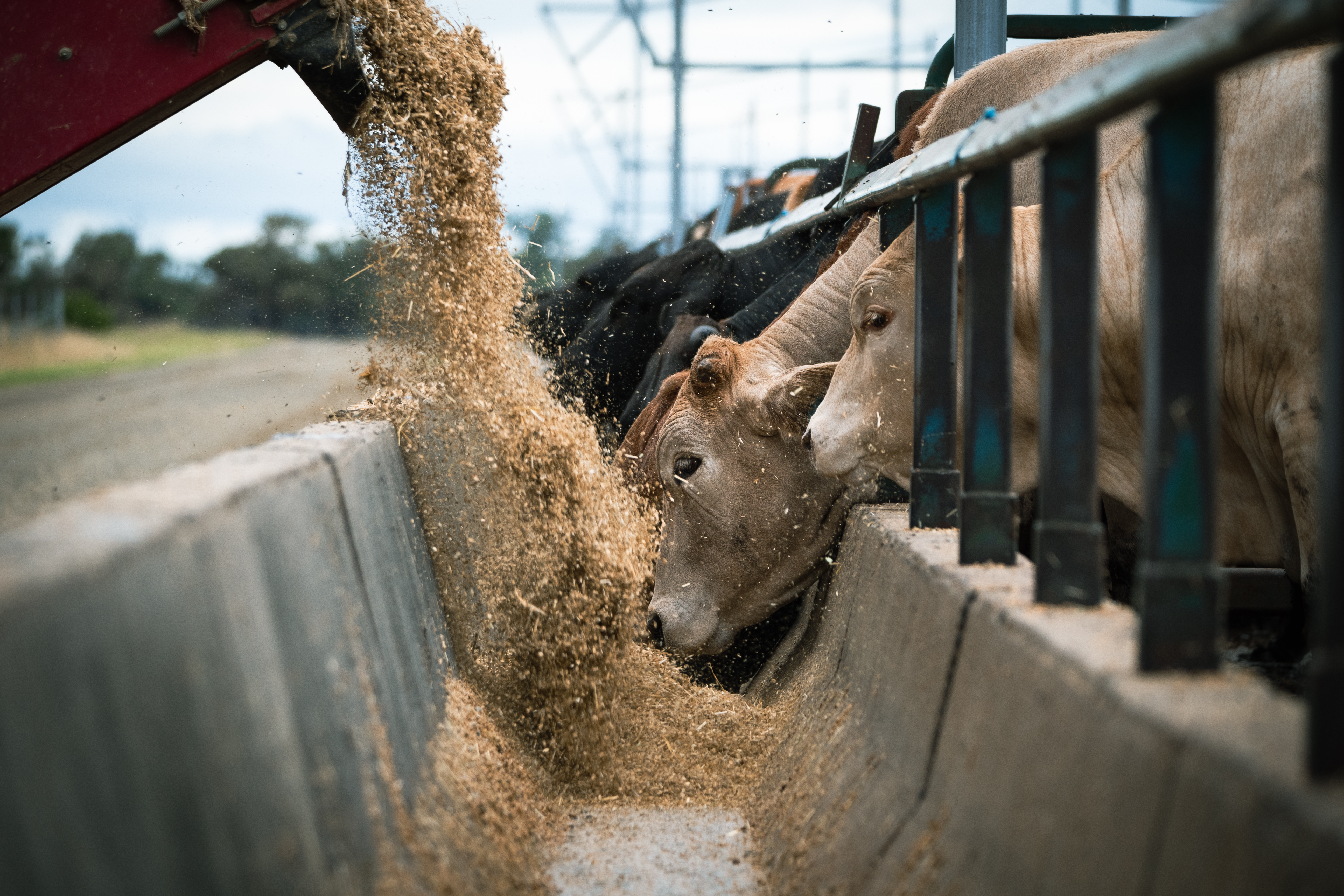
“A large range of mammals can carry the disease, and it can lead to some animals continuing to be carriers and shedders for their lifetime. It has been a big problem in the dairy industry, where the bacteria can cause devastating abortion storms in herds, so that industry now routinely vaccinates cattle against leptospirosis.
“A report from New Zealand concluded the cost to its cattle, sheep and deer industry was US$8 million annually and another US$6 million in preventative cattle vaccinations. So, this disease is potentially causing significant losses to Australian livestock industries through lost production, treatment and prevention.”
Public Health Association of Australia CEO, Adjunct Professor Terry Slevin: “Everyone can see how the weather is getting more extreme - with recent record temperatures being an obvious example. That means we need to be able to respond when it comes to changes in disease risks. The increase in cases of leptospirosis is a prominent example.”
Key facts:
- Leptospirosis is a notifiable bacterial disease linked to flooding and warm weather.
- Outbreaks are increasing in frequency and severity globally, and new subtypes of Leptospira bacteria are evolving.
- Leptospira bacteria are found in the urine and faeces of infected rodents, cattle, sheep, horses, some domestic pets and native mammals.
- Humans usually contract the infection through direct contact with an animal or indirectly via broken skin contact with urine, inhalation or through contaminated water, wet soil and vegetation.
Multimedia

Attachments
Note: Not all attachments are visible to the general public. Research URLs will go live after the embargo ends.


