 Sign In



 Australia; International; NSW
News release
From:
Bird poop powered the rise of the Chincha Kingdom, archaeologists find
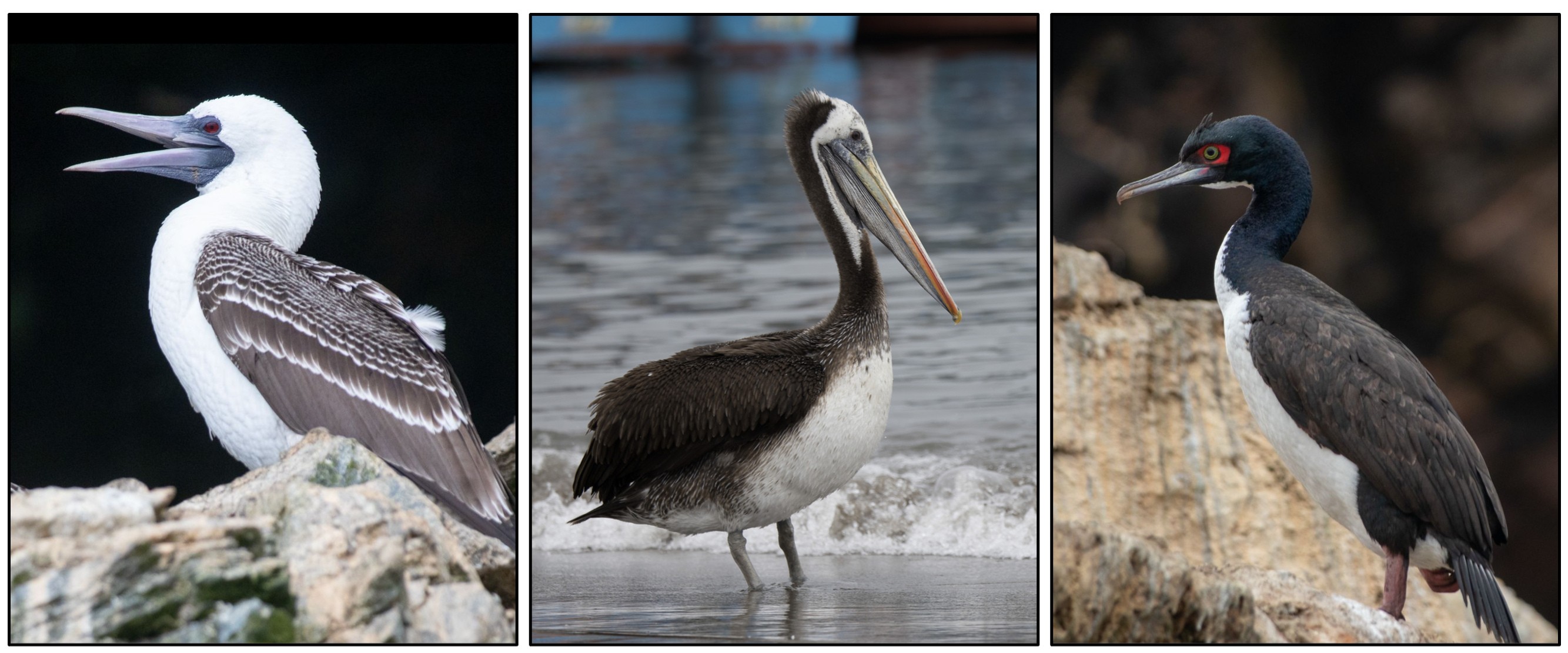
New archaeological evidence reveals that seabird guano – nutrient-rich bird droppings – was not only essential to boosting corn yields and supercharging agriculture in ancient Peru but may have been a driving force behind the rise of the Chincha Kingdom as one of the most prosperous and influential pre‑Inca societies.
Lead author Dr Jacob Bongers, a digital archaeologist at the University of Sydney and a Visiting Research Fellow at the Australian Museum Research Institute, said the findings highlight the unexpectedly powerful role bird droppings played in shaping ancient societies in the Andes.
“Seabird guano may seem trivial, yet our study suggests this potent resource could have significantly contributed to sociopolitical and economic change in the Peruvian Andes,” Dr Bongers said.
“Guano dramatically boosted the production of maize (corn), and this agricultural surplus crucially helped fuel the Chincha Kingdom’s economy, driving their trade, wealth, population growth and regional influence, and shaped their strategic alliance with the Inca Empire.
“In ancient Andean cultures, fertiliser was power.”
Ancient fertiliser, modern science
Published in PLOS One, the study analysed biochemical signatures in 35 maize samples recovered from burial tombs in the Chincha Valley, home to a powerful coastal polity of an estimated 100,000 people.
Chemical analyses revealed exceptionally high nitrogen levels in the maize, far beyond the natural soil conditions typical for the area. This strongly indicates the crops were fertilised with seabird guano, which is enriched in nitrogen due to the birds’ marine diets.
“The guano was most likely harvested from the nearby Chincha Islands, renowned for their abundant and high-quality guano deposits,” Dr Bongers said. “Colonial‑era writings we studied report that communities across coastal Peru and northern Chile sailed to several nearby islands on rafts to collect seabird droppings for fertilisation.”
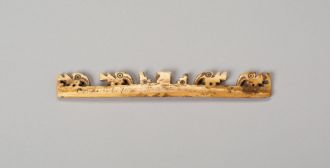
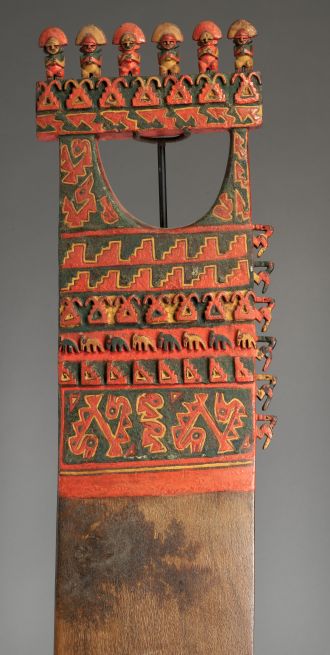
The researchers also examined regional archaeological imagery featuring seabirds, fish, and sprouting maize depicted together on textiles, ceramics, pottery, wall carvings and paintings, offering a further line of evidence that seabirds and maize held cultural importance in these ancient societies.
“Together, the chemical and material evidence we studied confirms earlier scholarship showing that guano was deliberately collected and used as a fertiliser,” Dr Bongers said. “But it also points to a deeper cultural significance, suggesting people recognised the exceptional power of this fertiliser and actively celebrated, protected and even ritualised the vital relationship between seabirds and agriculture.”
Dr Emily Milton, a postdoctoral fellow at the Smithsonian Institution in Washington, D.C., said the multidisciplinary approach was critical.
“The historical records documenting how bird guano was applied to maize fields helped us interpret the chemical data and understand the regional importance of this practice,” she said. “Our work extends the known geographic extent of guano fertilisation, echoing recent findings in northern Chile, and suggests soil management began at least around 800 years ago in Peru.”
How guano reshaped power on the desert coast
Farming on Peru’s coast is challenging, as it is one of the driest areas on Earth, where even irrigated soils quickly lose nutrients. Guano shipped from offshore islands provided a potent, renewable fertiliser that allowed coastal farmers in the Chincha Valley to grow maize, one of the most important staple crops in the Americas, in abundance.
This agricultural surplus supported specialist merchants, farmers and fisherfolk, and helped the Chincha people to become major coastal traders.
“We know the Chincha were extraordinarily wealthy and one of the most powerful coastal societies of their time. But what underpinned that prosperity? Previous research often pointed to spondylus shells, the spiny oyster, as the key driver of merchant wealth,” Dr Bongers said.
“Our evidence suggests guano was central to the Chincha Kingdom’s success, with the Chincha’s maritime knowledge and access to the Chincha Islands likely reframing their strategic importance in the region.”
The Inca, based in the highlands of the Andes, produced the largest native empire in the Americas before Europeans arrived and were famously obsessed with maize, using it to make ceremonial fermented beer, or ‘chicha’. But they couldn’t grow much of it in their highland environments, nor could they sail.
“Guano was a highly sought-after resource the Incas would have wanted access to, playing an important role in the diplomatic arrangements between the Inca and the Chincha communities,” Dr Bongers said.
“It expanded Chincha’s agricultural productivity and mercantile influence, leading to exchanges of resources and power.”
Coauthor Dr Jo Osborn at Texas A&M University said this research invites us to reconsider what 'wealth' meant in the ancient Andes.
“The true power of the Chincha wasn't just access to a resource; it was their mastery of a complex ecological system,” she said. “They possessed the traditional knowledge to see the connection between marine and terrestrial life, and they turned that knowledge into the agricultural surplus that built their kingdom. Their art celebrates this connection, showing us that their power was rooted in ecological wisdom, not just gold or silver.”
The findings expand on Dr Bongers’ recent research on the Band of Holes just south of the Chincha Valley, where he suggests that the site was an ancient marketplace built by the Chincha Kingdom.
“This research adds another layer to our understanding of how the Chincha, and potentially other coastal communities, used resources, trade and agriculture to expand their influence in the pre-Hispanic era,” Dr Bongers said.
Multimedia

Attachments
Note: Not all attachments are visible to the general public. Research URLs will go live after the embargo ends.


