Bat signal could predict flying fox food shortages up to nine months early

Publicly released:
Australia; NSW; QLD
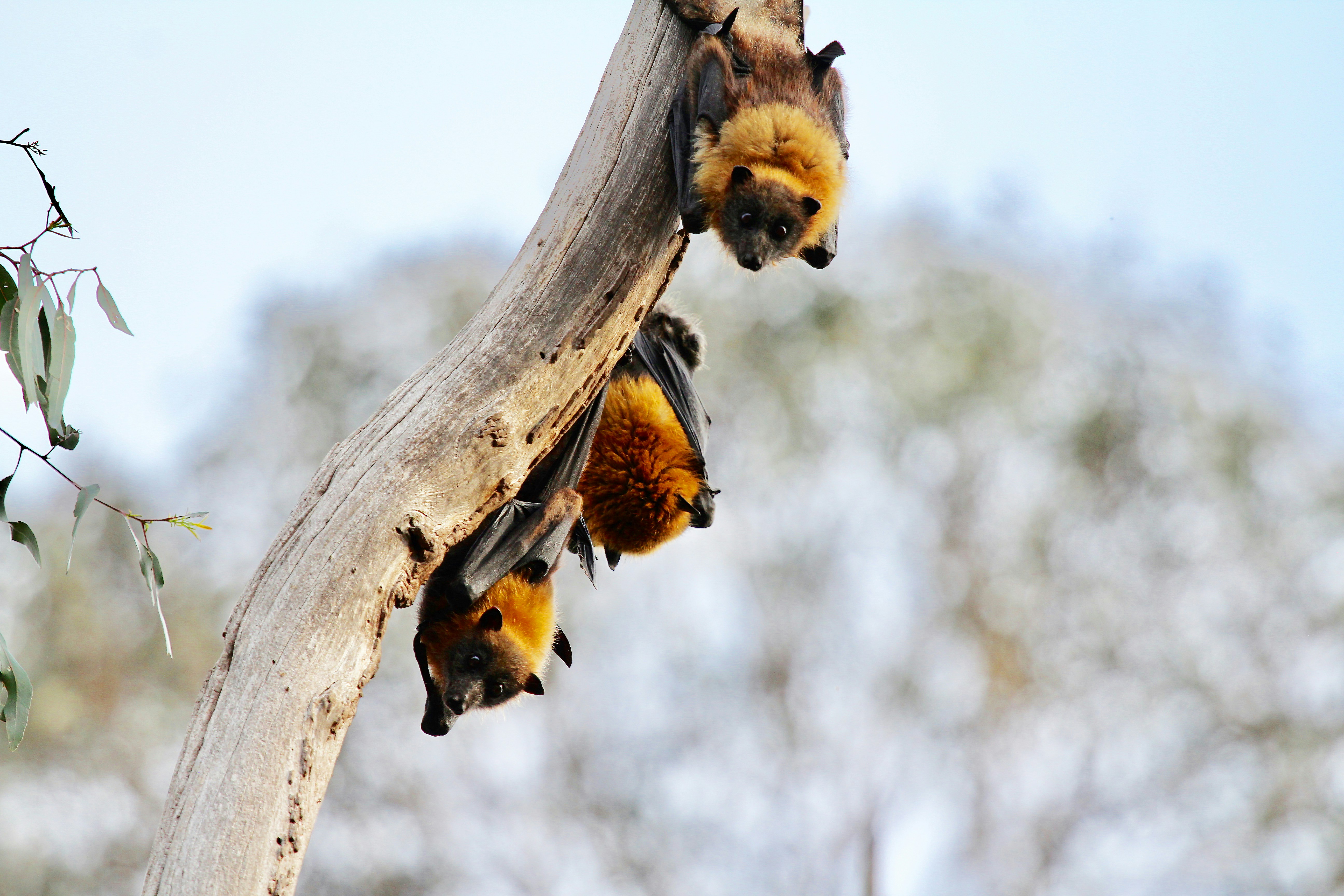
Photo by Geoff Brooks on Unsplash

Australian and international researchers have developed a model that can predict food shortages for Australia's flying foxes, which they say could help us with wildlife management and times when horses are especially at risk of Hendra virus spill-over. The researchers say flying fox food shortages, driven by the climate, push them to relocate closer to urban and agricultural areas, putting them in closer proximity to humans and horses, who can die if exposed to Hendra virus carried by the flying foxes. The researchers used machine learning to identify the early indicators of these food shortages, including seasons, the Oceanic El Niño Index and number, and weight data from bat rescue centres. They say their model can pick up early warning signs of food shortages up to nine months in advance.

Media release

From: The Royal Society

Environmental and ecological signals predict food shortages for subtropical Australian flying fox populations, reservoir of Hendra virus

Biology Letters

We analyzed decades of environmental and ecological data to predict food shortage periods for Australian flying foxes (Pteropus spp.). Using weather patterns, climatic indices including El Niño, wildlife rehabilitation admissions, and body condition metrics from rescued bats, we developed a forecasting approach that detects shortage signals several months in advance. Previous research has demonstrated that food-stressed bat populations relocate to urban and agricultural areas, increasing Hendra virus spillover risk to horses. Our forecasting framework provides proof-of-concept for early warning systems that could inform wildlife management strategies and public health interventions to mitigate spillover risk.

Attachments

Note: Not all attachments are visible to the general public. Research URLs will go live after the embargo ends.

Research The Royal Society, Web page The URL will go live after the embargo ends
Journal/
conference:
Biology Letters
Research:Paper
Organisation/s: The University of Sydney, Griffith University, Oakridge National Laboratory Biosciences Division, USA, Mississippi State University, USA
Funder: Funding was provided by the National Science Foundation (DEB-1716698, EF-2133763) and DARPA PREEMPT (D18AC00031). The views, opinions and/or findings expressed are those of the author and should not be interpreted as representing the official views or policies of the Department of Defense or the U.S. Government. A.J.P. was supported by an ARC DECRA fellowship (DE190100710). This material is based upon work supported by the U.S. Department of Energy, Office of Science, Office of Biological and Environmental Research under contract number DE-AC05-00OR22725. M.R.A. was supported by the USDA-Forest Service International Programs (22-DG-11132762-34
Media Contact/s
Contact details are only visible to registered journalists.