 Sign In



 Australia; International; VIC
News release
From:
Jumping giants: Fossils show giant prehistoric kangaroos could hop
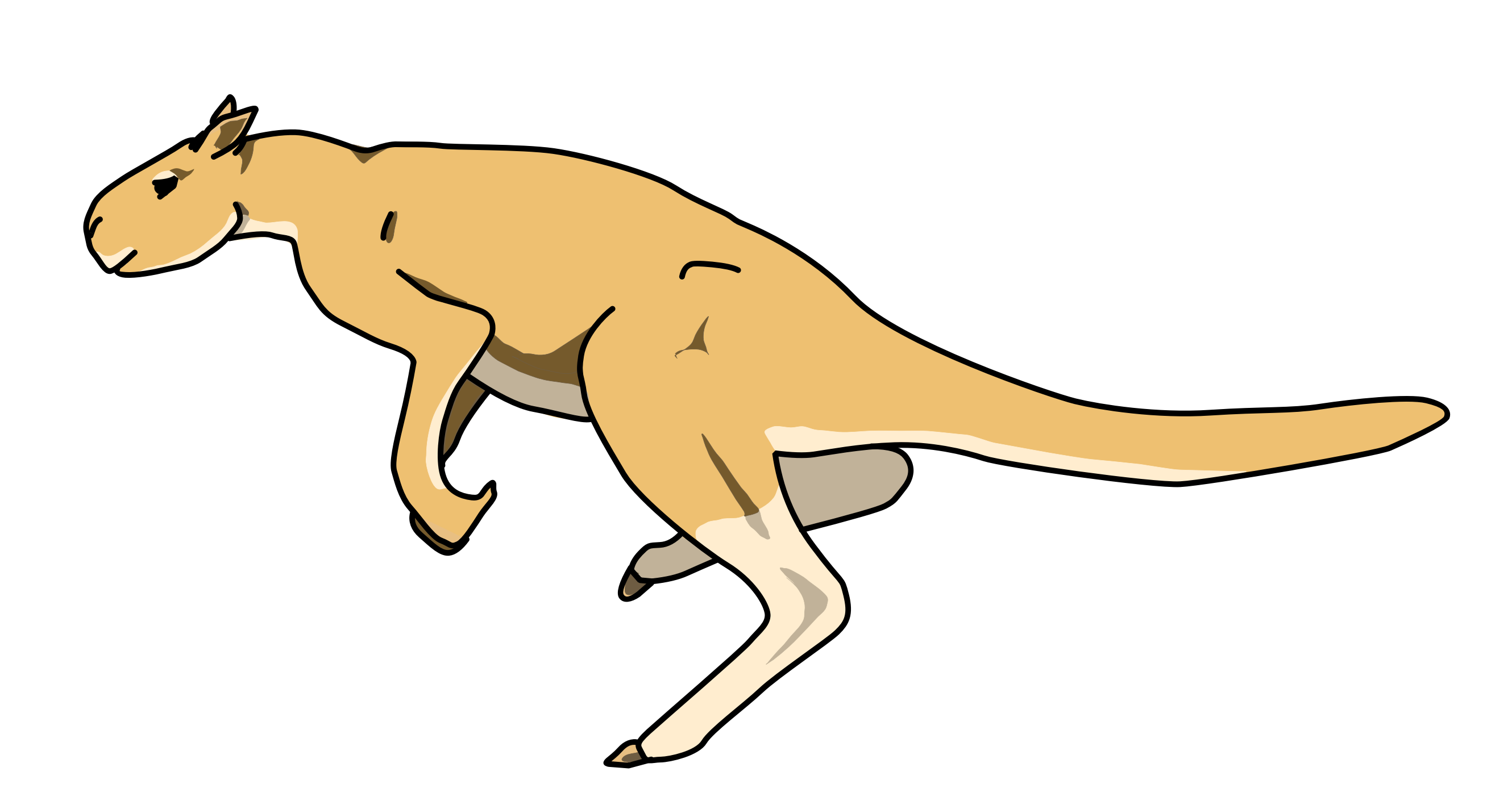
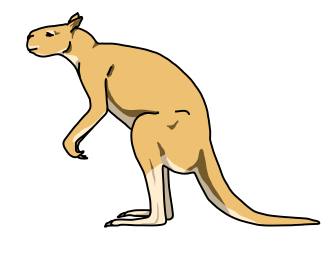
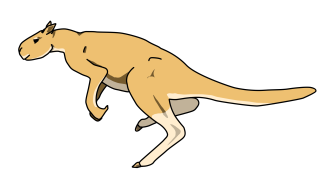
Scientists studying the fossil remains of giant prehistoric kangaroos have found that even animals weighing more than 200kg may not have been too big to bounce, overturning long-held assumptions about the limits of hopping.
Today, Australia’s red kangaroo is the largest living hopping animal and weighs around 90kg. But during the Ice Age, some kangaroos grew more than twice the size of that – some reaching up to 250kg.
For years, researchers believed these giants must have abandoned hopping, as earlier studies suggested that hopping would become mechanically impossible above about 150kg.
Those conclusions were largely based on simply scaling up modern kangaroos, which scientists from University of Melbourne, in collaboration with the University of Manchester and the University of Bristol suspected might be misleading.
Now, by combining measurements from living kangaroos with direct evidence from fossil bones, the new study, published today in the journal Scientific Reports, finds that giant kangaroos may have been capable of hopping.
Lead researcher Megan Jones, is a joint postgraduate researcher at the Universities of Melbourne and Manchester.
“Previous estimates were based on simply scaling up modern kangaroos, which may mean we miss crucial anatomical differences,” Ms Jones said.
“Our findings show that these animals weren’t just larger versions of today’s kangaroos, they were built differently, in ways that helped them manage their enormous size.”
The team examined two potential limiting factors for hopping – the strength of the foot bones and the ability of the ankle to anchor the powerful tendons that drive a hop.
Their analysis show that the giant kangaroos had shorter, thicker foot bones capable of withstanding landing forces and their heel bones were broad enough to support much thicker ankle tendons than those of modern kangaroos.
However, the researchers say these giants probably did not bounce across the landscape like today’s red kangaroos.
“Thicker tendons are safer, but they store less elastic energy,” explained Dr Katrina Jones, Royal Society Research Fellow at the University of Bristol.
“This likely made giant kangaroos slower and less efficient hoppers, better suited to short bursts of movement rather than long-distance travel. But hopping does not have to be extremely energy efficient to be useful, these animals probably used their hopping ability to cross rough ground quickly or to escape danger.”
The fossil analysis also revealed a range of locomotion strategies among the extinct species. Some giant kangaroos may have mixed hopping with other forms of movement, including walking upright on two legs, or moving on all fours, suggesting that hopping was just one part of a broader “movement repertoire”.
But the diversity of prehistoric Australia extends beyond just movement.
Dr Robert Nudds, Senior Lecturer in Evolution, Infection and Genomics at the University of Manchester, said “Our findings contribute to the notion that kangaroos had a broader ecological diversity in prehistoric Australia than we find today, with some large species grazers like modern kangaroos while others were browsers – an ecological niche not seen in today’s large kangaroos.”
The findings provide the most comprehensive assessment to date of the mechanical feasibility of hopping in giant extinct kangaroos.
Multimedia

Attachments
Note: Not all attachments are visible to the general public. Research URLs will go live after the embargo ends.


