 Sign In



 International
News release
From:
Planetary science: A candidate landing site for China’s first crewed lunar mission *VIDEO*
Observations of the Rimae Bode region on the Moon reveal five distinct types of terrain and identify several potential landing sites for China’s first crewed mission, according to research published in Nature Astronomy.
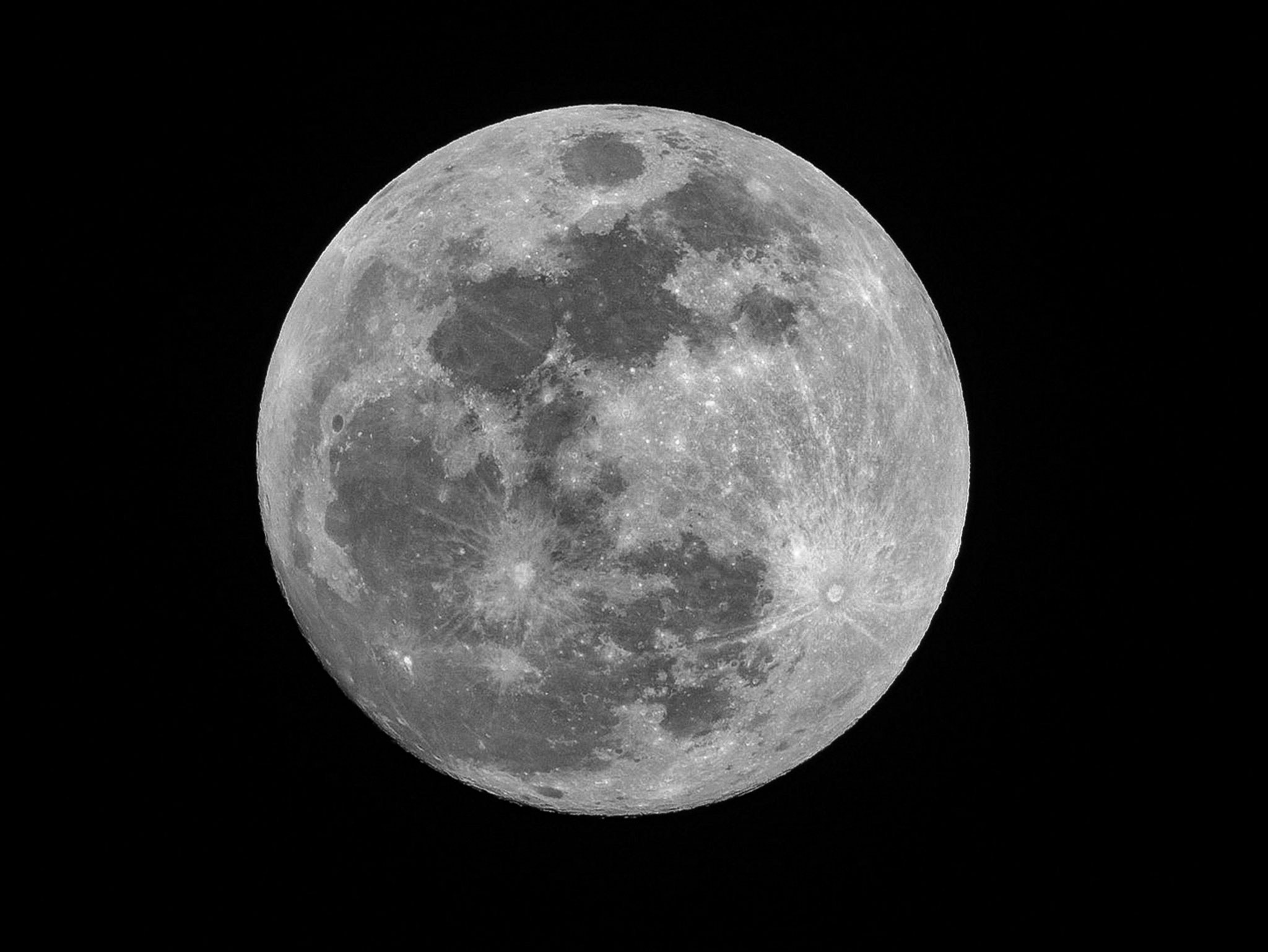
Located at the boundary between Mare Vaporum and the highlands on the central lunar nearside, the Rimae Bode region is considered scientifically valuable owing to its varied terrain and materials on the surface. These features span long periods of lunar history, making the region important for understanding how the Moon’s surface and interior have changed over time. Its relatively flat ground and direct visibility from Earth have also made it an attractive option for lunar mission planners. This includes China’s upcoming crewed lunar mission, which is intended to take place by 2030.
Jun Huang and colleagues used multiple sets of orbital images and measurements to study a targeted area of the Rimae Bode in detail and assess its potential for China’s upcoming mission. They identified five different geological areas within this region: a dark layer of volcanic debris, a basalt plain called Sinus Aestuum, two separate areas of rilles (long, narrow valleys formed by volcanic and tectonic activities on the Moon), and the surrounding highlands. By examining the shapes of the region’s channels and counting impact craters, the authors reconstructed evidence of several separate volcanic events that occurred at different times, the earliest being a pyroclastic eruption around 3.2–3.7 billion years ago. Based on these results, they propose four potential landing sites within Rimae Bode from which the astronauts can safely access a diversity of geological structures, including volcanic debris, mare basalts, high thorium terrains and impact derived deposits.
The authors note that safe surface operations will require careful evaluation of slopes, boulder distributions and traverse distances, as well as higher resolution mapping. Future investigations may refine these assessments and further clarify the region’s potential to improve our understanding of lunar volcanic and interior evolution.

