 Sign In



 International
News release
From:
GLP-1 diabetes drugs linked to reduced risk of addiction and substance-related death
Findings suggest a potential role in both prevention and treatment of various substance use disorders, say researchers
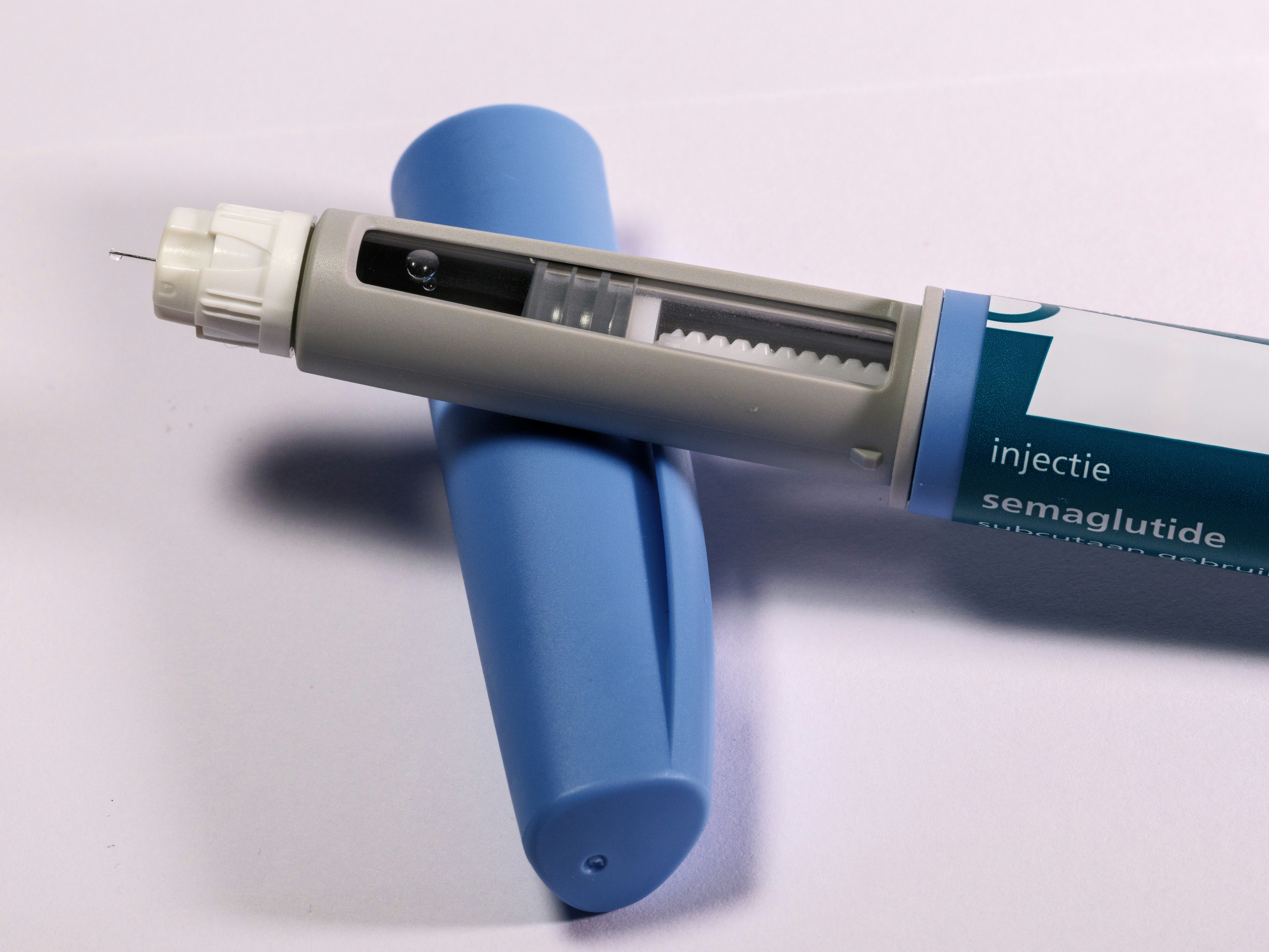
Glucagon-like peptide-1 (GLP-1) receptor agonists used to treat type 2 diabetes and obesity may also help to lower the risk of addiction to a range of substances including alcohol, cannabis, cocaine, nicotine, and opioids, finds a large US study published by The BMJ today.
GLP-1 receptor agonists were also associated with reduced risks of adverse outcomes such as overdoses and drug-related emergency department visits and deaths in people with pre-existing substance use disorders, the results show.
Some studies suggest that GLP-1 receptor agonists act on the brain’s reward pathway, potentially explaining why a drug developed for diabetes and obesity might reduce the risk of alcohol, tobacco and cannabis use disorders. However, large studies confirming their role in preventing or improving outcomes for established substance use disorders are lacking.
To address this, researchers based in Saint Louis, Missouri used US Department of Veterans Affairs data to investigate if starting GLP-1 receptor agonists is associated with a reduced risk of various substance use disorders (SUDs) in people without a history of SUDs.
They also examined if GLP-1 receptor agonists reduced adverse SUD-related clinical outcomes, such as drug-related emergency department visits and death, overdose, and suicidal behaviour, in those with pre-existing SUDs.
Their findings are based on 606,434 US veterans with type 2 diabetes who were monitored for up to 3 years. In both sets of analyses, GLP-1 receptor agonists were compared with another group of diabetes drugs known as sodium-glucose cotransporter-2 (SGLT-2) inhibitors.
In veterans with no history of SUDs, starting a GLP-1 receptor agonist was associated with an overall 14% reduced risk of SUDs and a reduced risk of disorders specifically related to use of alcohol (18%), cannabis (14%), cocaine (20%), nicotine (20%) and opioids (25%) compared with an SGLT2 inhibitor, translating to roughly 1-6 fewer cases per 1000 people over three years.
Among veterans with a pre-existing SUD, starting a GLP-1 receptor agonist was associated with fewer SUD related emergency department visits (31%), hospital admissions (26%), deaths (50%), overdose (39%), and suicidal ideation or attempt (25%), translating to about 1-10 fewer events per 1000 people over three years.
The authors acknowledge several limitations. For example, the study was conducted within the Veterans Affairs healthcare system, which includes predominantly older men, though subgroup analyses showed consistent results in women, and they can’t rule out the possibility that other unmeasured factors, such as socioeconomic status or lifestyle, may have affected their results.
However, by using a rigorous emulated target trial design they reduced much of the bias common to observational studies, and results were consistent after further analyses, suggesting that they are robust.
As such, they conclude: “These observational data suggest a potential role for GLP-1 receptor agonists in both the prevention and the treatment of various SUDs, warranting further evaluation.”
This study strengthens the case that GLP-1 receptor agonists may influence substance related outcomes in real world practice, says Fares Qeadan at Loyola University Chicago, in a linked editorial.
While caution is still warranted and evidence based treatments remain the preferred treatments, these results suggest that when GLP-1 receptor agonists are clinically indicated for cardiometabolic reasons, “potential benefits for substance related outcomes may be an added consideration in shared decision making,” he writes.
Attachments
Note: Not all attachments are visible to the general public. Research URLs will go live after the embargo ends.


