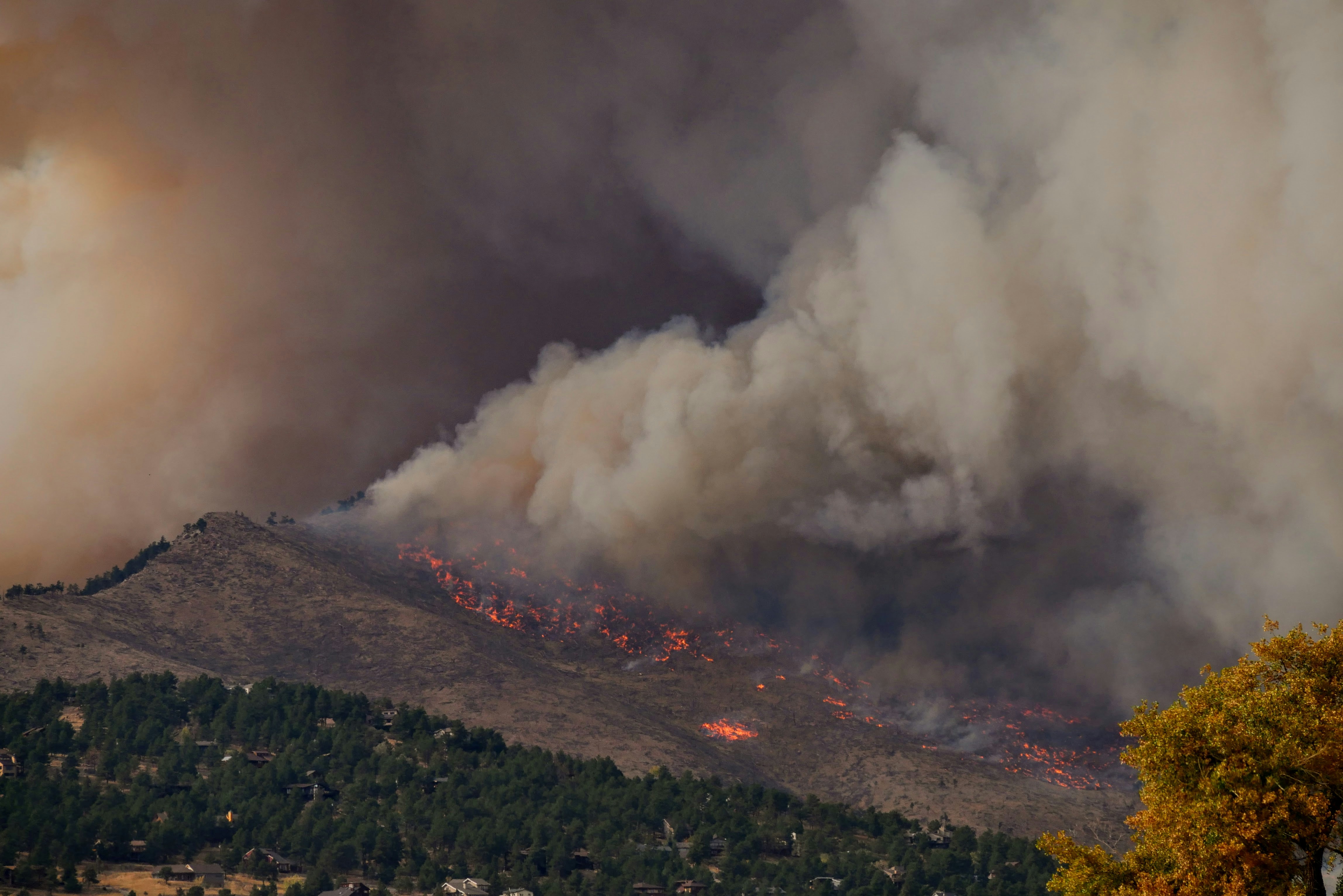
Long-term bushfire smoke exposure linked to increase in hospitalisations for heart disease

Publicly released:
International
Photo by Malachi Brooks on Unsplash

More older people are likely to be hospitalised for heart disease in areas where they have experienced prolonged exposure to bushfire smoke, according to US research. The team studied hospitalisation rates for overall cardiovascular disease, ischemic heart disease and arrhythmias among 65 million people aged 65+ and compared them to the levels of air pollution caused by bushfire smoke in their neighbourhoods over time. They say a higher three-year average exposure to smoke-related air pollution was linked to an increased risk of hospitalisation for any of the heart problems studied, with the link strongest for moderate smoke exposure levels and people from lower socioeconomic backgrounds. The researchers say that as climate change intensifies the frequency and scale of fires, public health strategies will be needed to educate communities on the risks of smoke exposure and help manage them.

Attachments

Note: Not all attachments are visible to the general public. Research URLs will go live after the embargo ends.

Research American College of Cardiology, Web page The URL will go live after the embargo ends
Journal/
conference:
Journal of the American College of Cardiology
Research:Paper
Organisation/s: Yale School of Public Health, USA
Funder: Dr Krumholz, in the past 3 years, has received options for Element Science, OpenEvidence, and Identifeye and payments from F-Prime for an advisory role; was a co-founder of and held equity in Hugo Health; is a co-founder of and holds equity in Refactor Health and ENSIGHT-AI; is a co-founder of medRxiv; is on the Board of openRxiv (non-paid, volunteer); and is associated with research contracts through Yale University from Janssen, Kenvue, Novartis, and Pfizer. Dr Lu has received grants from the Sentara Research Foundation; the National Heart, Lung, and Blood Institute, National Institutes of Health, and the Patient-Centered Outcomes Research Institute, outside of the submitted work. Dr Chen has received grant funding from the Health Effects Institute and the National Heart, Lung, and Blood Institute. All other authors have reported that they have no relationships relevant to the contents of this paper to disclose.
Media Contact/s
Contact details are only visible to registered journalists.